Entries Tagged ‘Birds’:

Wales

Filed in Articles, Places Of Interest, Wildlife on Apr.10, 2010

I have just spent the last 3-4 days in Mid-Wales photographing some of the beautiful wildlife this part of the UK has to offer.I was invited by my friend Ken along with a number of fellow wildlife photographers who have a annual week in this breathtakingly beautiful place.First on my wish list was a trip to Gigrin Farm to photograph the amazing population of Red Kites that live and feed here.

Red Kite

Red Kite

The Gigrin is a family run upland sheep farm of approximately 200 acres, owned and farmed by Chris Powell, and Mrs Lena Powell.The land is 700 feet rising to 1200 above sea level giving wonderful views of the Wye and Elan valleys in mid-Wales.Gigrin became the Official Red Kite Feeding Station in the winter 1992/93 following a request from the RSPB who had witnessed the late Mr Powell feeding the kites.Red kites being hungry when they awake, will hunt for food during the morning and early afternoon, so Gigrin is a top up or emergency ration for them and is not intended to replace their wild food source.

On the day we were there the weather was a mixture of  overcast and cloud with the odd ray of light piercing the cloud cover,this added a great atmosphere to the place and shows what ever the weather throws at you there will always be a photograph you can obtain from the day.Being my first visit there I wanted to try and capture a few different images from the normal portrait of this beautiful bird that at close quarters is massive.With the light and overcast conditions I was able to create some images from Gigrin that were a little different,encapsulating my trademark of strong composition,with the poor,overcast conditons turned around to help and aid my images.

Red Kite

Red Kites

While photographing the Red Kites this ‘Leucistic’ Kite turned up.It has started to visit the feeding station more and more after being born in 2003 and until recently had’nt been seen for some time I was told by the owners of Gigrin.Leucistic means that the colouration is mainly pure white and not the usual red or black of the normal kites and not to be confused with an ‘Albino’ as these lack colouring and have pink eyes unlike the yellow/blue eyes of this beautiful Leucistic Kite.
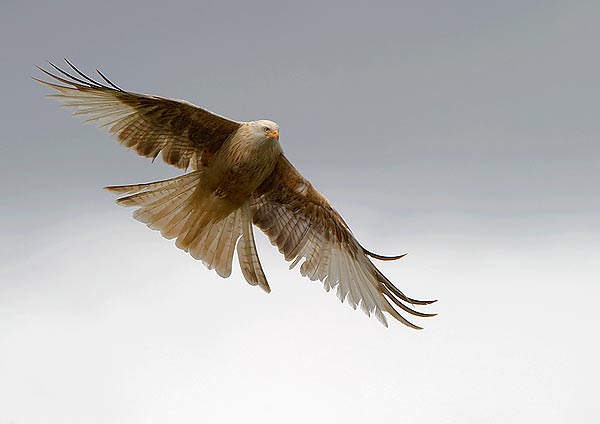
White Kite

'Leucistic' Kite

I also tryed out a few ‘Arty’ shots using a slow shutter speed which results in capturing the sense of movement within an image,giving the photo great impact like the two I have included below with the first one capturing the Red kites trademark of ‘Diving’ for the food which is placed out for them by Chris.There is also a small in the frame image I have converted over to ‘Black+White’ which has brought out the cloud patterns on the day.They have done a wonderful job at Gigrin over the years and its well worth visiting.

Diving Red Kite

Red Kite

B+W Red Kite

During my stay in Wales we all covered a vast distance,traveling to different location,from the Osprey Project at Cors Dyfi Nature Reserve,three miles south of Machynlleth.We were able to see the Osprey on the CCTV screen but a little to far for photography.We headed for the coast,where I photographed the returning Waders,I managed to capture this Oystercatcher feeding away,turning over Shell’s and breaking open mussels.

Oystercatcher

Wales really has so much to offer in the way of different habitats,and various wildlife,from coastal to reedbed/marshland we covered it all,with the weather being very kind,the odd night frost thrown in just for good measure as I was camping.I had brought the essentials through;Tea Bags,Bacon,Fresh Bread and HP sauce all so important when you are camping as a warm drink and food are the best tonic,in my case a bacon sandwich.

The trip was great and thanks to Ken for inviting me,thanks also Brian,Tom,Phil,and on the last day before my drive back home to Staffordshire I had my best shots of the stunning Willow Warbler within this habitat of ReedBeds,with the sun behind me setting it was a real treat to end a great trip.
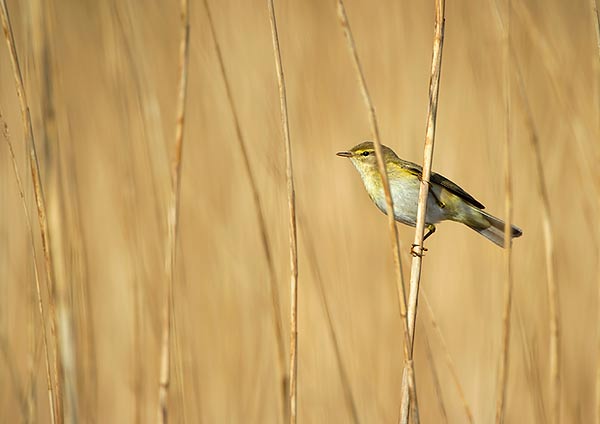

Reed Warbler

CJWP


Read full post

National Nestbox Week 14th -21st February 2010

Filed in Advice On Wildlife, Events on Feb.05, 2010

NNBW

National Nest Box week organised by The British Trust for Ornithology takes place this year from the 14th to 21stFebruary. Since its launch in 1998 over five million nest boxes have been made and hung in gardens and woodland areas across the UK.In an attempt to help birds ranging from the Blue Tit right up to Barn Owls to find somewhere else to nest and raise their young in the absence of more natural nest sites in our ever diminishing countryside.Early spring is the best time to site your nestbox,giving the birds a chance to see and get use to the box,if they don’t use your nestbox to nest in then don’t be saddened as there is a very high chance they will use the box as a roost site during the winter months.

bto

There will be events staged all around the UK by the BTO during that week and it’s a great way to get youngsters involved with nature.Click here for the BTO home page to see whats happening in your local area.Whether you’re a family with space for a box in your garden, a teacher, a member of a local wildlife group, or you belong to a bird club and could organise a work party, National Nest Box Week gives you the chance to contribute to the conservation effort in the UK whilst giving you the pleasure of observing any breeding birds that you attract to your garden.

Where you put your box is every bit as important as what it looks like.  The highest priority when siting a nest box must be to provide a safe and comfortable environment in which birds can nest successfully.Ensure your nest box is sheltered from prevailing wind, rain and strong sunlight,The front of the nest box should be angled vertically or slightly downwards to prevent rain from entering the nest box.And the most important point is to ensure that it is not easily accessible to predators (cats and squirrels) which can more difficult than you’d think.Ideally keeping the opportunities for these predators to get close to the boxes to a minimal.

For a free information pack please click here and fill in your details.If you’d like to purchase a nestbox then click here.Many thanks.

Robin


Read full post

Eye Contact

Filed in Wildlife on Jan.19, 2010

Revisited the Barn Owl and Short-eared Owl site yesterday,the first time since the snow had melted and what greeted me was more like the landscape of an estuary than the farmland and rough grazing habitat where these owl are spending the winter months.With the access water from the snow and the rain everywhere, the fields were saturated,with knowhere for this extra water to drain off too,the ground was just full of water.This left isolated pockets of ground scattered among the water with little chance of a meal for the owls among this sodden landscape.

SEO

This made it very difficult for the owls to hunt in,but I was really glad to see the male Barn Owl I had spent alot of time with a few weeks ago having survived the unprecedented cold spell of freezing weather we’d just endured.His two favorite stretches of land he prefers to hunt in were underwater so he was at a different spot,some distance away so I hope to catch up with him soon before both these species of owl leave and head to their summer breeding grounds around mid to late February.I was just about to pack up as an impending storm was gathering when a Short-eared Owl landed  to my right on the fence line.

SEO

He hadn’t seen me at first,so I waited for him to get relaxed as he was looking up,down and around at first,I then took a few images and proceeded forward at a snails pace,stopping as he looked my way,when he looked away or started to clean himself I carried on forward until I got about 20 foot away from him where he gave me this stare which you can see above,this was the cut off point for my advances as I read his behaviour as I entered past the ‘comfort’ zone all animals have.Not bad as I would have looked like a large bush coming towards him, he just didn’t no what I was as I moved very slowly, watching the ground where I put my lead foot down as not to tread on something that would give me away.

SEO

I have always found you must read the signs the subject will give you,interpret them quickly.eg are they going to move,or fly off,are they cleaning,feeding,resting,happy,troubled and so on, so you can get an understanding if they are agitated by you presence.This will give you valuable time to get the images you want,they may still fly off or move but its better to have done your approach this way because if things go your way you will be able to capture close up and interment moments and truly benefit from the close encounter with the subject you chose to find that day.

SEO

This Short-eared Owl went off hunting before the storm came,as it was the last I saw him,another close moment for me to treasure.If you put into place the simple techniques I have described you too will be able to get quiet close with a lot of patience,self belief and good fieldcraft, so when you get to where you’d like to be with your subject, the easy bit should be pressing your shutter button and composing your images.I will be back very soon to get some better images of both owls I hope and will update my blog.Hope the tips and advice has helped.


Read full post

Whooper Swan 2

Filed in Wildlife on Jan.14, 2010

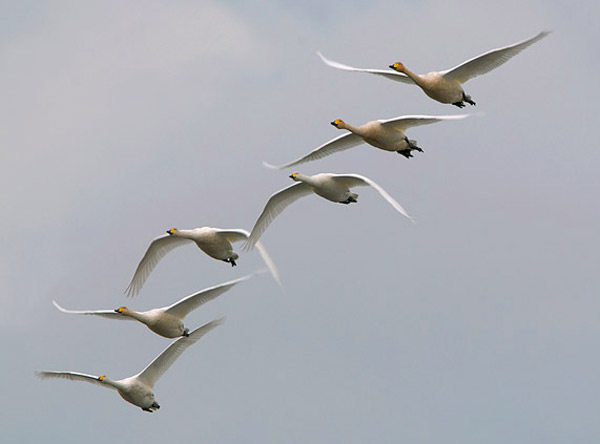
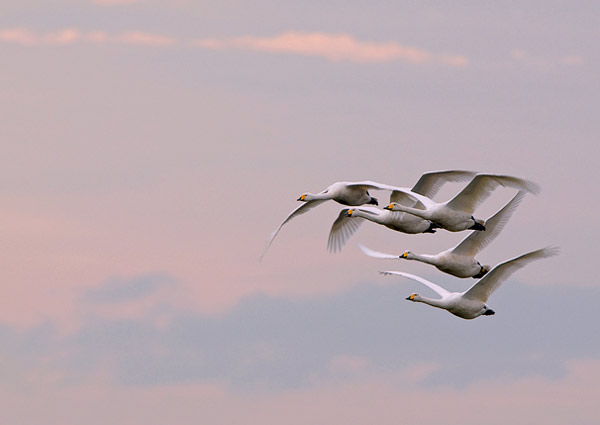
Spent a few days again photographing our most beautiful winter visitor to the UK shores,the beautiful and elegant,’Whooper Swan’, I have been trying to get close up views of the formations they fly in, inches apart from disaster should they touch each other in flight,  I was trying to convey the organised manner in which they fly so close together as well.

Whooper Swans

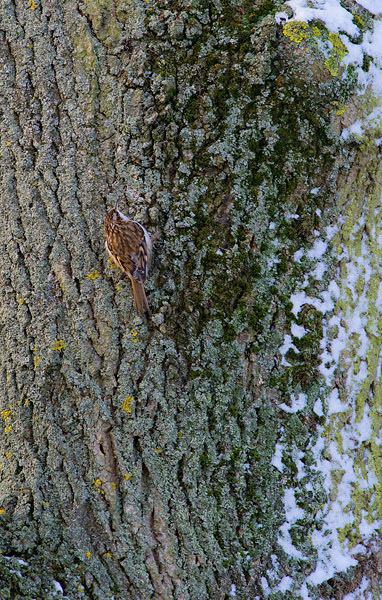
I’ve been watching them feed on farmland from the outskirts of woodland on the North-West coast of the UK for the last 3 months.Once they have eaten they fly off to their overnight roost site where they spend the night,the sky is temporary a wash with white as hundreds of Whoopers taken flight.While waiting I had a Treecreeper for company,wanted to show the lovely patterns on the tree trunk and the splash of white from the snow during our coldest spell of weather in decades in the UK.I have composed the bird to give you an idea of how well these tiny birds blend into their habitat

Treecreeper

Whooper Swans spend their time here during our winter months before migrating back to their breeding areas which range from Iceland to NE Siberia, they depart from their breeding areas in September and reach wintering areas by November leaving the wintering area,ie UK, in mid-March for a May return .Whooper swans are highly vocal,with bugling calls,these are used during aggressive encounters, with softer “contact” noises used as communication between paired birds and families. Calls accompanying pre-flight head-bobbing are also important for maintaining pair and family bonds. Several types of threat display are seen in winter to establish the dominance hierarchy in the wintering flock, ranging from head-low threats and pecks to more dramatic neck-stretching and wing-flapping displays, resulting occasionally in physical combat.

Whooper Swans

There’s still quite a bit of time to see these beautiful birds that spend their winters with us in their favoured habitats of lakes, estuaries, marshes,flooded fields and farmland before they depart for their breeding grounds in March-April.They fly so effortless for a large bird and I watched amazed at how close they fly next to each other,all knowing there places without colliding into one another

Whooper Swans

The couple of photographs below of a Whooper Swan give you some ideal of their individual size and wing shape which make these formations even more remarkable

Whooper Swan

Whooper Swan


Read full post

Texel Workshop

Filed in Workshops on Jan.11, 2010

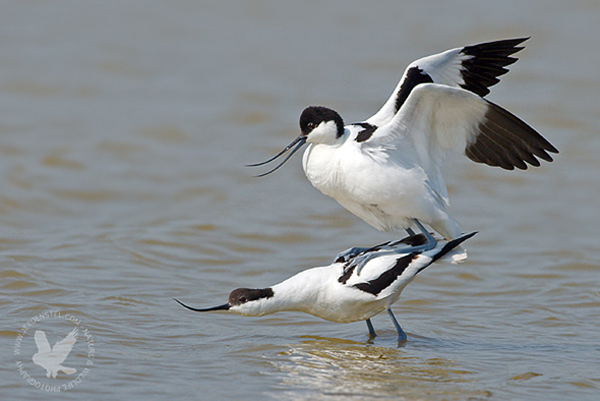
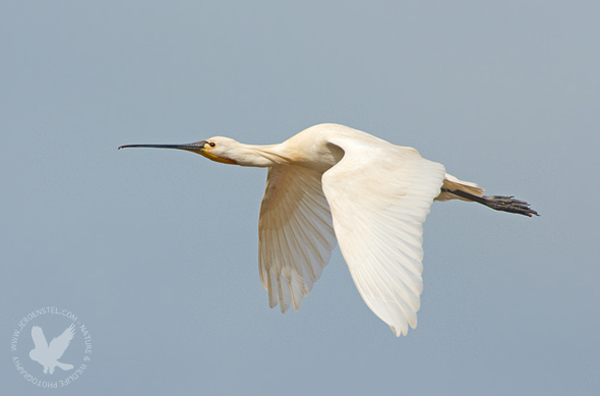
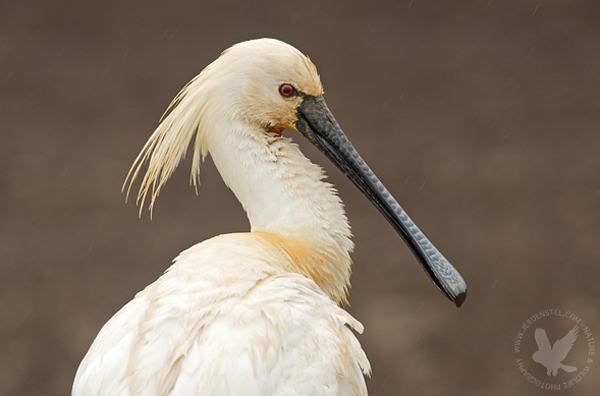
At around 25 miles long and seven miles wide the island of Texel is the largest of the Wadden Islands, It’s a haven and paradise for thousands of waders and waterfowl during the spring/summer months where they choose this picturesque island to play out their courtship routines and breed, feed their young all quiet close to you, presenting some of this best chances to photograph Avocets, Spoonbills, Caspian and Black Terns, Oystercatchers, Kentish Plovers, and many more waders.The Texel workshop is being co-hosted with me and award winning Dutch wildlife photographer Jeroen Stel whose expert knowledge of Texel and the surrounding area is second to none and the perfect guide to get the very best images of wildlife this place has to offer.

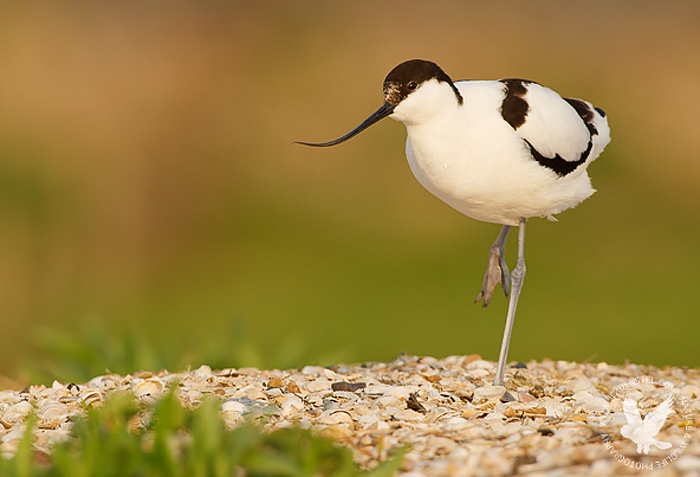
Avocets

It’s one of the best places in Europe for close up views of Avocets with the chance of getting some amazing close up images of these beautiful birds.Jeroen Stel and myself have teamed up to offer you the very best in Wildlife Photography workshops,we also have a brillant trip planned for early june called The Magic Of Mull’ where we will show you the beautiful wildlife and landscapes this island has to offer.Other trips in the future are also planned all designed by Wildlife Photographers for Wildlife Photographers.

Spoonbill

Spoonbill

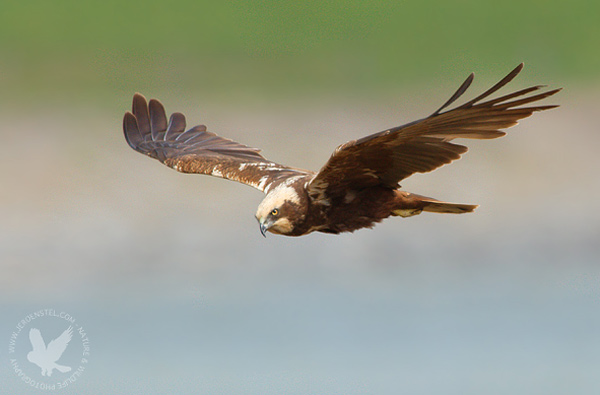
Our hotel is situated on the island of Texel, not far from the beaches, marshland, extensive fields, strongholds of Bluethroats, Short-eared Owls, Terns, Eiders, and many more, depending on what is about at the time of our trip,the photographic opportunities will never stop.Over the coastal marshes a healthy population of Marsh Harriers patrol the skies, hunting over the reed beds and marshland giving a great insight and close up view of these magnificent birds of prey.

Marsh Harrier

Marsh Harrier]

Jeroen will have planned the best places and routes before our arrival in Texel in an attempt to get the best images from this trip as possible, myself and Jeroen will guide you through each day, approach the wildlife with real care and settle into place and watch the magic of Texel play out before your very eyes.After our day has ending and we have finished our evening meal a a slideshow of the images will be presented giving you the chance to see your work and that of others, sharing best practices, so that as a group you can get the very best out your days on Texel. We will also go through tips and advice on wildlife photography covering both practical and theoretical examples that you can apply yourselves in your own time.

Bluethroat

It’s promises to be a brillant trip so if you would like to know more or book your place on this trip please go to my workshop section or clickTexel’ ,alternatively drop me a line on my contact page and I will give you all the details you will need for this action packed trip with have planned.

Tern

Avocet

More information on this beautiful island and what it has to offer can be viewed by clicking on Jeroen’s Blog 1 and Blog 2 and as you will see there is nobody better to show you around this beautiful island other than Jeroen who know’s this island like the back of his hand.Many thanks and hope to see you there.

Logo


Read full post

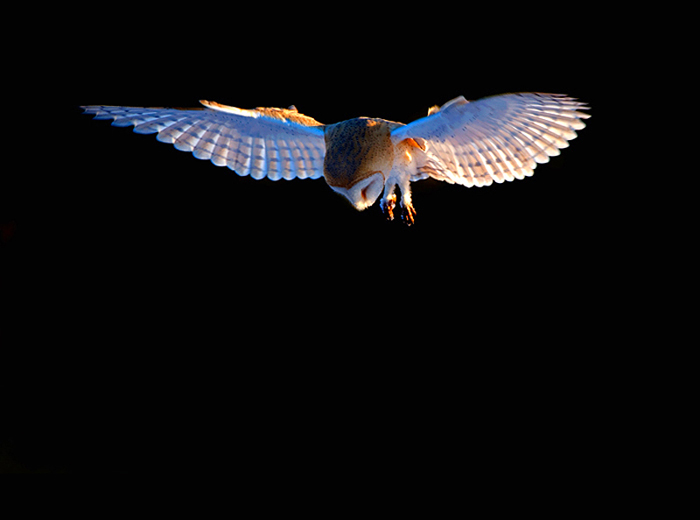
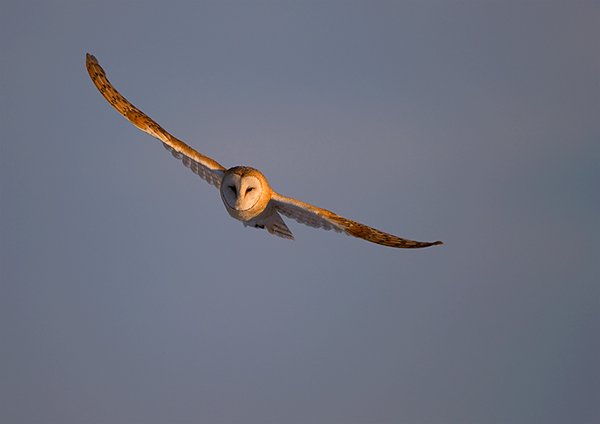
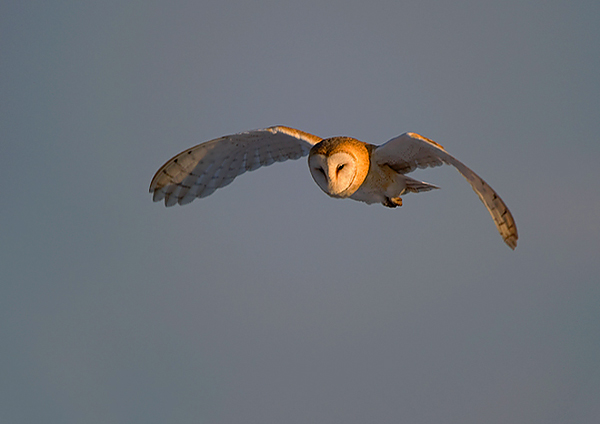
Barn Owl

Filed in Wildlife on Jan.09, 2010

As the country freezes in one of the coldest spells of weather for decades I have spent almost the last month moving from one location to another location in the hope of photographing Barn and Short-eared Owls in there habitats,and hopefully some close up shots.Over the last 7 days I have concentrated my efforts solely on alone male Barn Owl which has taken up residence over farm and marshland not to far from my home.I’d watch for hours on end some days and go home with nothing but the smile on my face as I’d laugh to myself knowing that dealing with wild animals is not always as predicable as you’d think.This laughter this week has also been tinted with sadness also as I’d watch a starving Barn Owl hunt over snow covered fields,making simple errors when diving for food,being mobbed by Rooks and Crows as they’d watch the Barn Owl do all the work and then rob him of his catch,knowing that all the energy the Owl had expended hunting was now in vain due to being mugged by the ever present,opportunist Crow family members.

Barn Owl

I have had some really beautiful and close encounters this week with this Barn Owl as he hunted for the healthy population of voles this area has with the constant rustling vegetation I’d witnessed as these rodents woke up and starting going about their daily tasks, as I lay in what for the owl to show up.The saddest thing for me was just watching the Barn Owl frantically trying to locate and hunt for prey as the ground had a small blanket of snow covering it which was made ever worse by the weather and cold conditions these and many more animals are facing during this unprecedented spell of cold weather we are having.I can say though on the few times I witnessed the Barn Owl hunting he was very successful in catching his prey and out running the Rooks,Crows that tried to take his catch,a real struggle for life and survival on all sides though,and with more snow predicted I fear for every animal that lives outdoors.

Barn Owl

Barn Owl

On one occasion the Barn Owl came almost alongside me and started to hover as he’d seen something below,I couldn’t believe my luck,the sun was starting to go down and here I was looking like a bush, listening to the wing beats of one of my favorite birds that has enchanted me from childhood,he allowed my a few images until he called time and disappeared-WOW!

Barn Owl

I managed to capture the moment he was flying off with what looked like streamers attached to him but they were pieces of long grass he’d picked up with the vole he’d caught the following two images show you this funny spectacle.

Barn Owl

Barn Owl

I am going back shortly once the forecasted snow has fallen to see this Barn Owl I’ve become quite fond of, hopefully he will have been able to survive the continuing cold spell which I do hope will break very soon to give everyone a break.  My aim is to continue  photographing this owl for as long as he lets me in this area.

Barn Owl

Barn Owl


Read full post

Birdwatching Walk

Filed in Events on Jan.03, 2010

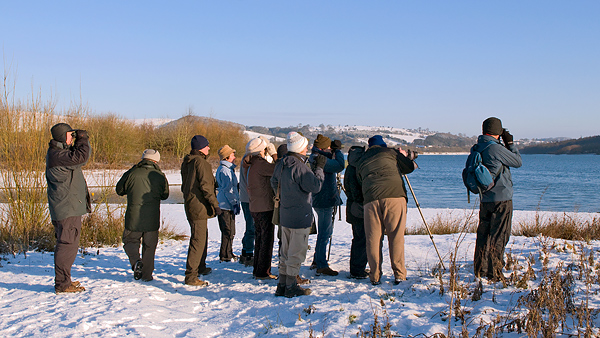
With a dusting of snow and temperatures of minus-4 with the wind chill, the cold,winter weather didn’t dampen anyone’s spirit’s on the Birdwatching for Beginners Walk,at Carsington Water, Derbyshire today with a brillant turn out of over 25 people that braved the icy conditions as the winter sunshine shone down on us all.

Entrance

Carsington Water has been a very popular visitor attraction since the reservoir was opened by the Queen in May 1992,the reservoir is owned and operated by Severn Trent Water and is a centre for outdoor activities.Today I joined the rangers and Matt Merrit Editor from the Birdwatching Magazine as we took a trip around this beautiful reservoir,I was invited by Matt to take photographs for an article that will be in the March issue of the magazine.Introductions out of the way and we headed around the reservoir looking out for what ever birds would brave the conditions and show up,stopping off at various different places and making best use of the wardens knowledge of this area.

Birdwatchers

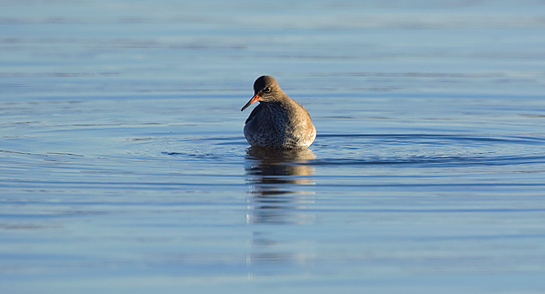
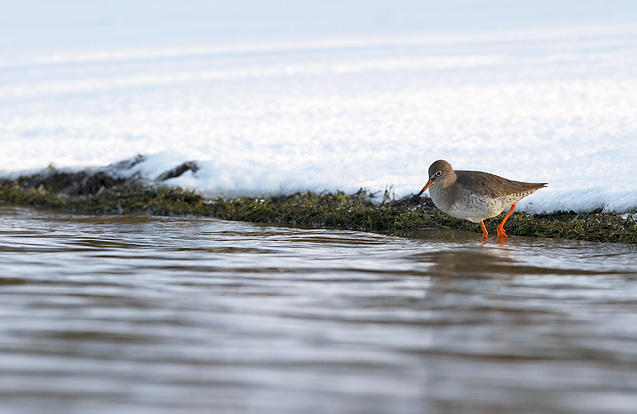
As you can see from the photograph above conditions where very clear and cold but we didn’t have a great deal of luck apart from the usually common species,but we did managed to find a Redshank feeding on the shoreline and a lone Lapwing against the snow,the images can be send below

Redshank

Redshank

lAPWING

Lapwing

Carsington Water run these walks on the first Sunday of every month and they also put on more advanced walks that specialise in certain species and are aimed at the more experienced birdwatcher.Myself and Matt had a great day and it was lovely to meet such nice people and I hope you all learned something. look out for the article which will be in the March issue of the Birdwatching Magazine and if you would like to join the next walk please contact Carsington Water 01629 540 696 and they will tell you all the details you need or alternatively drop me a line on my ‘Contact’  page and I will answer any queries you may have.

Carsington water


Read full post

Merry Christmas

Filed in Articles on Dec.24, 2009

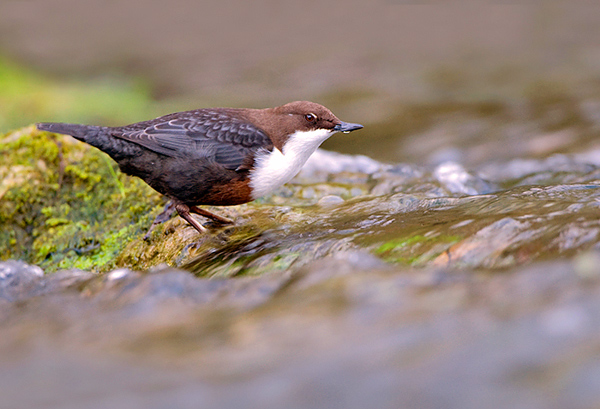
Thank you all for your support during the last year,and I hope to have helped you in someway with regard to Wildlife Photography and seeing the beauty of the natural world.Just wanted to finish the year as I started with a photo of my all time favorite UK bird “The Dipper” fishing here on the river

Dipper Fishing

Makes a change from a Robin at this time of year I thought and this was taken yesturday and it was freezing. Next year I am hoping to photograph 12 months in the Life Of The Dipper, documenting the character and behavior of this fascinating bird during the different season’s,building a better picture and understanding of this bird through the medium of photography.

Dipper

So what ever you are doing over the Christmas period I would like to wish you all a Merry Christmas and a Happy New Year.And lastly a big Thank You to Andrew and the team at RapidWeb for a brilliant website!


Read full post