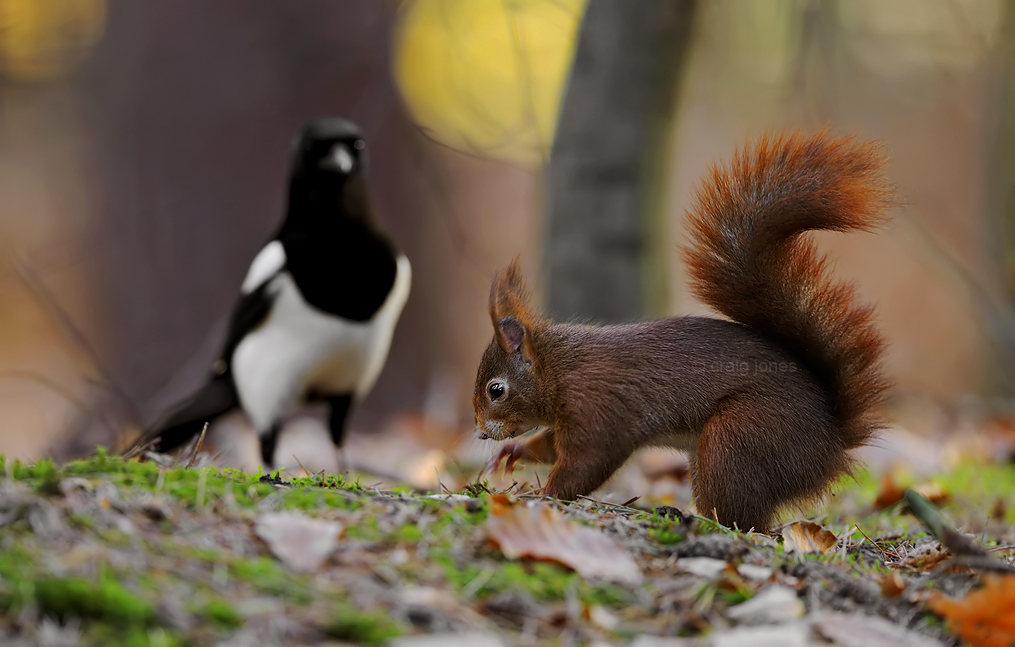
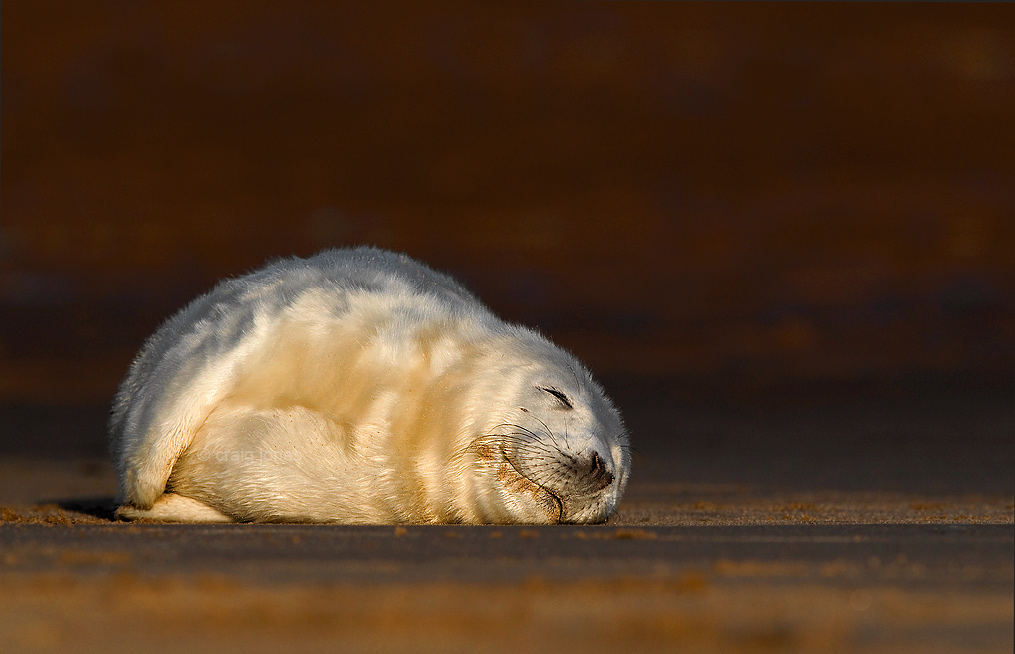
I’ve added lots of new images to my galleries. If you would like to order one of my photographs click on this link to be taken to my portfolio.
Then select a gallery, photo and click buy photo to see the various formats. All the photos are available in different sizes, canvases, framed or unframed.
Simplicity is key when it comes to composing a successful photograph. A well composed image should never look cluttered, and the main focal point or subject should be obvious.
The heaths and moors of the Peak District are an eerie exposure of peat covered moorland sitting about 600m above sea level. Large wind carved eroded rocks sit among vast plateaus and rock formations supporting a healthy population of wild Red Deer.
My gift vouchers are priced at £20, £50, £100 denominations. They are all printed professionally and come with a stylish black envelope.
If you would like to purchase one or more click here. Select your gift vouchers, add the quantity you would like to your basket and when you’ve finished shopping proceed to the checkout.
Sit in the same position for an hour and you’ll see just how quickly light changes. The direction of light will dramatically affect the way shadows fall in a scene within nature or on a subject.
When photographing wildlife I am trying to document wild behaviour, something that occurred naturally. I am not trying to create something that was fake and contrived.