I have been asked by high street giants Currys &PC World to become a judge on their six week photo challenge. The competition see’s you putting your skills to the test in a series of photography challenges where the winner could win one of several amazing new compact cameras as well as a chance to attend a one day photography course with an expert photographer.
My challenge that goes live today is “ Composition” and to read the blog post that goes with this challenge then click here.
Currys have teamed up with six of our favourite on-line photo takers, writers and experts and each week, one of them will reveal a photography challenge for you to take part in. They will be setting the tasks in line with their area of expertise.
Its a great way to learn and get some feedback at the same time you’re in with a chance of winning so for more details on how to enter click here. Good luck to everyone that enters and I will update my blog when the competition has finished and the winner announced.
Spring time for me is the best time of year. Wildlife is everywhere and bird song fills the air, even more so over the last several days, waking up to several inches of thick snow which I thought this maybe an April fools too far. A cruel trick of nature where I do hope not to many species have suffered with one of the coldest March’s for many decades. I have been working on my projects in between my One to Ones. Hopefully they will bear some fruit over the coming months and I will update my blog with them fingers crossed.
It’s always lovely to see your own work published but in this case it’s even more wonderful. I am proud as ever to see these Sumatran Orangutans I spent time with pride of place on the BBC Wildlife website. This coverage is helping these peaceful animals reach a wider worldwide audience and highlight their plight which was the whole aim of my 2 week trip to Sumatra.
A selection of my photographs have been chosen to form part of the online gallery of the highly prestigious and respected BBC Wildlife magazine; Discover Wildlife. It’s the second time now that my images have been chosen for the Discover Wildlife website. By clicking here you can view the first set of images I had published. With coverage in the January issue of BBC Wildlife magazine and now the online website it’s wonderful that the Sumatran Orangutans plight is being seen and viewed by a much wider audience.
My photograph of the highly secretive and stunningly beautiful Dartford Warbler has made the front cover of the July issue of Bird Watching magazine, which I’m overjoyed with. With another Dartford Warbler covering a double page spread inside this favorite magazine of mine.
This tiny, secretive bird, often only ever glimpsed darting between bushes on lowland heaths. They emit a harsh rattling call before vanishing into cover, only to reappear somewhere else having worked their way through the thick cover they love to live in.
I have been really lucky to have seen this bird so close after travelling to many wonderful places in the UK on the lookout for this attractive bird with a hope of seeing and photographing its beauty. These images were taken in Wales and north of their southern stronghold in the UK.
Their feathers, calls and behavior were a total pleasure to watch and photograph and there is a wonderful article on them in this issue. You can see the larger version of the front cover here and also the double paged image by clicking here, hope you enjoy the article and images many thanks.
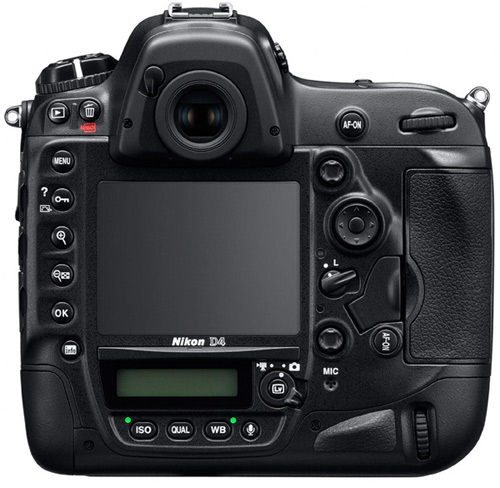
I’ve now had the Nikon D4 for just over a week and in that short time I’ve used the camera photographing my own work and also on one to ones, and I have to say the camera has performed very well. Having had the Nikon D3s now for two years, it was always going to be a hard act to follow. The improved ISO and added megapixels are nice, but what’s even better is the improved ergonomics, controls, speed, autofocus, metering, illuminated buttons, processing -EXPEED 3, and video capabilities with the full HD-SLR which are all improved from the D3S.
The overall shape of the camera has not changed much from the D3s, however, the controls and ergonomics are a bit different. The Nikon D4 now provides better control when the camera is used in the portrait orientation which is great if you shoot in this orientation a lot like me. The joystick and auto focus control is closer and easier to manage now when held vertically, with the D3s you had to really reach over with your thumb to get to the joystick. The Nikon D4 is about 5% lighter than the previous D3s and placed alongside each other this difference is clear to see.
Nikon has improved the auto focus system drastically. It can now operate in much lower light; this is a huge advantage, especially for wildlife and where I am depending on my auto focus system in low-light situations to capture what I’m witnessing. The D4’s auto focus has faster accuracy over the D3s from my first findings, performing brilliantly in poor or testing light. The image below of two Canada Geese taking off in the first rays off dawn light demonstrates this perfectly in very testing light conditions.
Clean, smooth and quick is how I’d best describe the auto focusing on the D4. The buffer is very big too compared to the D3S and starts to fill up while shooting in 14 bit Tiffs around 90-100 images when auto focus is engaged. But when using the new Sony XQD memory cards they fill back up very quickly and your able to carry on shooting. I have never been one to blast and hope for the best. I prefer to let a couple of shots go, recompose and see, always watching what the camera noise does to the subject, as I hate making the wildlife jump and scaring it into next week. The quiet mode as in the D3S has been retained on the D4 and seems more improved.
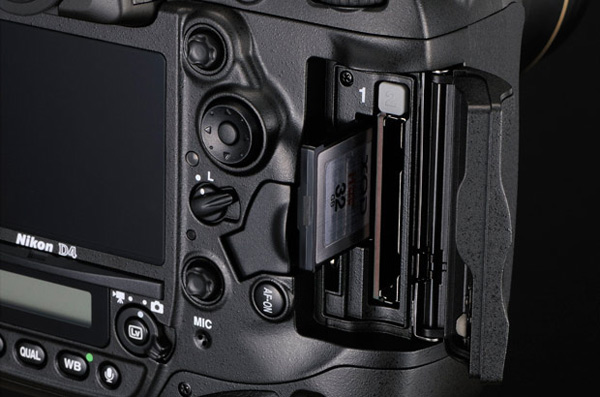
The D4 has two slots, one for the XQD card and one for the Compact Flash which is something I don’t like. For me they should have chosen two XQD cards as I believe this card from what you read is the future. Having two card readers is a pain, once your home you have to use two card readers to download your images which could have been averted by just picking one card for the camera only. Downloading is quick and I use Nikon software all the way- Nikon transfer, View NX then I do my processing in Nikon Capture NX2. All of which have a new version to accommodate the D4.
From my first images at higher ISO’s there does seem a more improved image from the D4, more so at the higher ranges. I don’t really push the ISO past 4000 alot of the time as I want to try and retain as much quality in the image as possible. But even at 4000 the performance of the D4 is better than the D3S at the same time there’s not a massive difference and I wouldn’t be selling my D3S as that camera has not missed a heart beat in over two years and has earned its brilliant reputation. The two images below from my Great Crested Grebes project were taken with my D3S clearly showing the quality of this camera.
The following images of Red Grouse were taken at high ISO’s, the sun’s light had started to warm the moors here, making conditions for auto focus tricky normally but here again the D4’s AF system locked on in tough and challenging light.
The D4 all round is a vast improvement on the D3S camera, it wont make you a better photographer though but what it will do is give you more options in various testing conditions that you may find yourself among while shooting wildlife. I am still learning about this brilliant camera as in just over a week does not do the camera justice. From what I have seen on the back of the camera and later on my large screen the improvements are good, very good. The auto focusing is one of its biggest pluses from the D3S and I cannot praise Nikon enough for the improvement they’ve done here. The video is good quality and I will be doing a separate blog post on that soon.
I am still learning about the D4 each time I take it out, but from these early stages all I can say is its “just brilliant”. The Internet will be a wash with reviews about this camera by more qualified people than myself all calming many different things. All I can say is make your own mind up like I have, the camera is a marked improvement on the D3S I know I have shot with the aforementioned camera for two years and still do. This post is not meant to be a whats right or wrong, its just about how this camera has worked for me on the ground, in the theatre of wildlife a place I live and breath.
Thank you to my clients over the last week or so who have seen me test out my new camera, really nice to meet you all. Steven from Ipswich sent me some lovely words below that can be seen on my testimonials page –
“Hi Craig I would just like to thank you for my two days one to one with you, it was fantastic on both days and I did really enjoy all of it. I love the way you had so much respect for the wildlife and how you put all this into your photography skills in which you was so kind to pass on to me. It has give me a better insight into the way I need to work , approach and take the final shot simply just by watching and listening to what was around me, like when you told me about the geese were going to take off before they even beat their wings, brilliant. Once again a big thanks and I would highly recommend anyone for your one to one it was agreat pleasure. Regards Steven”
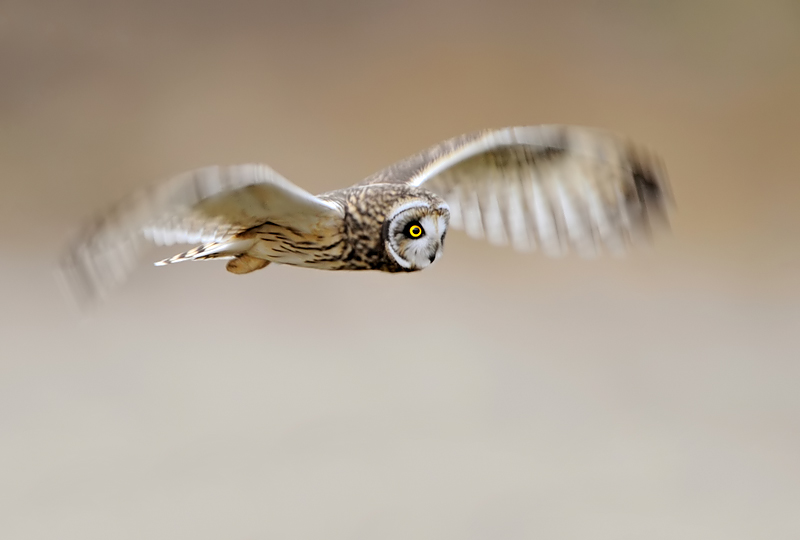
Before I go I would like to thank Adam from my press agent for getting my Owl images out into the papers over the last week. Many months of hard work were put into these images, capturing moments I’ll never forget. Barn Owls flying towards me, Short-eared Owls flying feet away from where I was hidden, diving for food right in front of me, all just amazing moments. You can see the story and how much work and the lengths I went to here in the Daily Mail and also here in the Sun. I also made the Telegraph newspaper all the same week so again many thanks Adam as it’s always very nice when you see your work in print.
Also in April’s issue of Nikon’s N Photo magazine my Dartford Warbler image made their “In pictures :Inspirational Nikon photography from around the world” section. Click here to see the article and see one of my favourite photos of a male Dartford Warbler singing in the morning light, stunning birds.
Its an amazing time of year now with Spring well and truly awoken and the start of British Summer time at the weekend. Make sure you enjoy her beauty and capture it with your cameras, good luck.
Spotlight Sumatra see’s me going to the island of Sumatra alone in mid September for two weeks, staying with the locals in something called home stay. A small but comfortably home within the jungle landscapes. Alongside my guides and helpers for this trip we will venture into the jungles for up to three, four days at a time even longer if we are lucky, to track and photograph these Orangutans. Jungle life will be basic but great, a sort of rough camping but off the floor as you never sleep on the jungle floor for your own safety.
I am hoping to capture some amazing images of Orangutans that SOS can use to sell promote and help raise the plight of this great ape that maybe the first great ape to become extinct should continued trends contuie in the destruction of their forest homes. There will be more news of this amazing expedition that will take me deep into the jungles of Sumatra in due cause.
I have donated a Limited edition Barn Owl print which can be seen above along with a one to one wildlife photography day with myself to help rise some money towards Sumatran Orangutan Societies Jungle VIP auction. Joining the list of celebrities taking part in the auction, hoping to raise as much money as possible to help this charity in saving this great ape.
Thank you to all that have helped so far and many thanks to the lucky winner who won my one to one and signed print which can be seen here on ebay. The auction carries on until March 31st with new stuff being added all the time. To keep up to date on the latest items please visit the website of SOS here many thanks.
I will be posting more news over the coming months on my blog as interest in this expedition grows. Where the sole aim of this trip is to highlight the plight of this most beautiful of apes and our closests living relative. I will be showing you the kit I’m taking, clothing and equipment. Doing live updates for SOS’s blog and my own, hopefully transporting you to this rarely visited part of the world which will be amazing, the trip cannot come quicker enough. I look forward to taking you all there on this amazing journey to Sumatra.
I make no secret on my website of my great passion and love for owls, they are so beautiful to watch as they go about their lives. From the days when I was made to wear my knitted woolly hat that my mum had made for me, before I ventured out. Owls have always fascinated me. I cannot put into words why I love this species of bird so much, I’ve grown up with them, consider them an integral part of my life.
Over the last four months there has been a great number of Short-eared Owls around the country, giving many people close encounters into their normally secret moorland lifestyles during the breeding season. Where there are Short-eared Owls you will often find Barn Owls sharing the same area and also many other raptors, none more so than at the Dee Estuary.
I have visited this area for many years and if you get lucky on your visit you can be treated to a bounty of raptors. The best days are at high tides where alot if not most of this reed bed and marshland can be covered with the approaching sea water. You can have some wonderful views of all these birds, but I have also been many times and seen very little. When things come together though its one of the best places to see all of these raptors in one given area.
In March’s issue of the Bird Watching magazine there are several pages of my images and wording describing this powerful event in nature’s calendar, one that often leaves me shocked and upset at the things I witness, but at the same time I realise this is Mother Nature at her best and worst all rolled into one.
If you would like to read the article then click here, and my thoughts are expressed in the text and through the images printed in one of my favourite magazines. I hope you enjoy the article. Thank you to the guys at the Bird Watching magazine for doing such a great job on the article and layout.
A New year and new life, with 2012 a few days old now it won’t be long before the air is filled with Spring bird song and new life, a real favourite time of year for me. You can just about witness anything by wondering around anywhere during the season of spring. Between then and now I am hopeful for a bit of winter weather and maybe some snow as I will be concentrating my efforts on Mountain Hares, Foxes and Owls during the next couple of months.
I have also been spending a lot of time with the adorable Red Squirrels, watching, photographing them and generally enjoying their unique characters over the last several weeks. Capturing a little of their behaviour and antics as they comb the forest floor looking for food and other food items they’ve stashed some weeks previously. Over the time I have watched these mammals I’ve become aware that it’s all about the size of your ‘ear tufts’ that gets you noticed, way before any introductions have taken place between the two sexes.
There is also a wide range of colouring between some of the squirrels at this place, ranging from really dark red to an almost light, red- ginger colour. The lighter coloured Red Squirrel seems to even detect or know he’s different in colour and seem more jumpy and whenever he appears the dark ones try to run him off, getting him away from the area in which the other squirrels seem to be.
It’s funny at times, as their seems some outward jealousy displayed, but quite cruel to see him have this amount of unwanted attention from those darker and more self aware Red Squirrels sharing this same habitat. But by just watching as I do, a whole community comes alive in front of you, animals living their lives right in front of you and most of the time these behaviours are just not seen.
I’ve watched and witnessed Magpies, the ever opportunistic bird watching the squirrels find food and bury the food, only to be dug up once the squirrel had gone. Here as you can see this Red Squirrel buries his stash while being watched by this Magpie who has other ideas about that food, again how cruel nature can be at times, witnessed by just spend time simply watching.
I made the best use of the light and cover, which slightly hid my presence from the shy squirrels, the result was a more relaxed and less jumpy subject, this approach allowed me some wonderful views. Often not knowing where or when they will turn up, you have seconds to compose and take your shot before they’ve gone. I always use the natural habitat and vegetation that is around, which the subject is naturally using of his own free will. This makes for a more “as seen” image which I feel is so important in today’s wildlife images.
The above image was down to luck and beautiful morning light as I captured this squirrel looking into the forest with the morning rays of light illuminating his beautiful coat. The image below captures this squirrel using this small branches to come from the tree canopy down to the forest floor. I used the two trees left and right to conceal myself, shooting through the middle to give this out of focus frame to the image. Such wonderful and beautiful mammals to spend time with.
There will be more Red Squirrel moments captured, fingers crossed, throughout 2012 I hope. I don’t like to use the word project as its too formal and as a wildlife photographer I never put a time limit on photographing a certain subject as its never ending for me. But I can guarantee I will be spending as much time as possible photographing these very endearing mammals. Over the next few weeks I have a number of workshops, Mountain Hares, Red grouse and Dippers, so I look forward to welcoming my first clients of 2012.
In February’s issue of the Practical Photography magazine there is an interview with myself covering my obsession with waders. In the interview I reveal the reasons behind my passion for these birds and these amazing Spring Tides in Norfolk, and I also discuss the field craft techniques, capturing these amazing events in natures calendar. I touch on what wildlife photography means to me and how I hope to inspire people to see the beautiful world of wildlife which is everywhere. Click here to see the interview in.