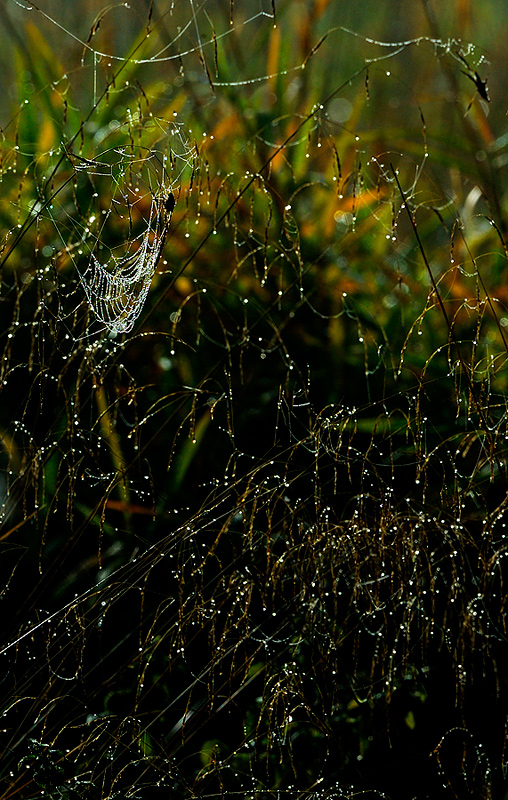
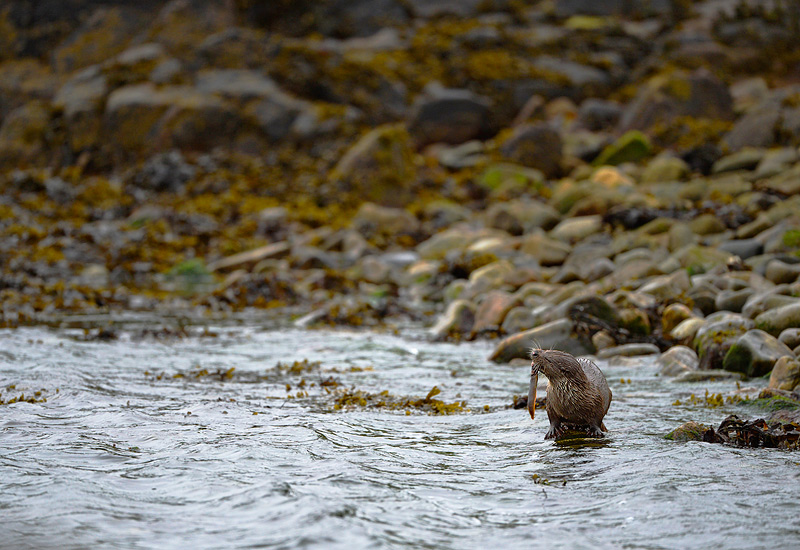
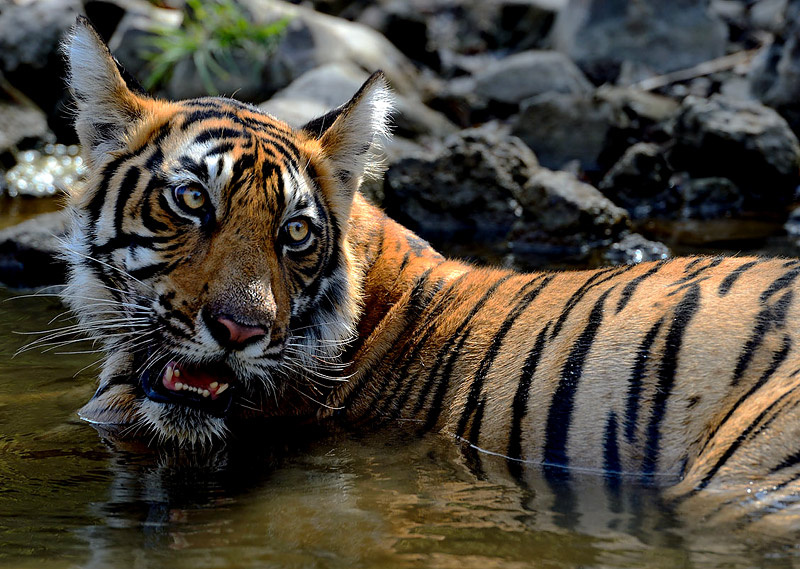
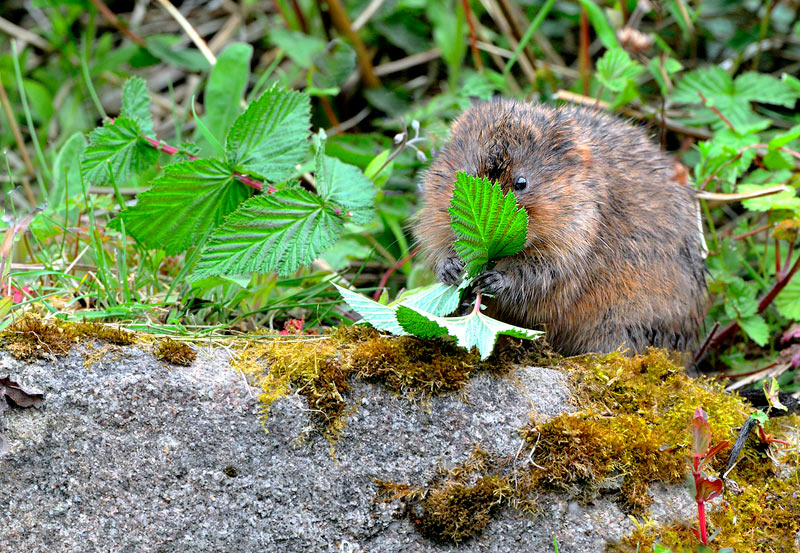
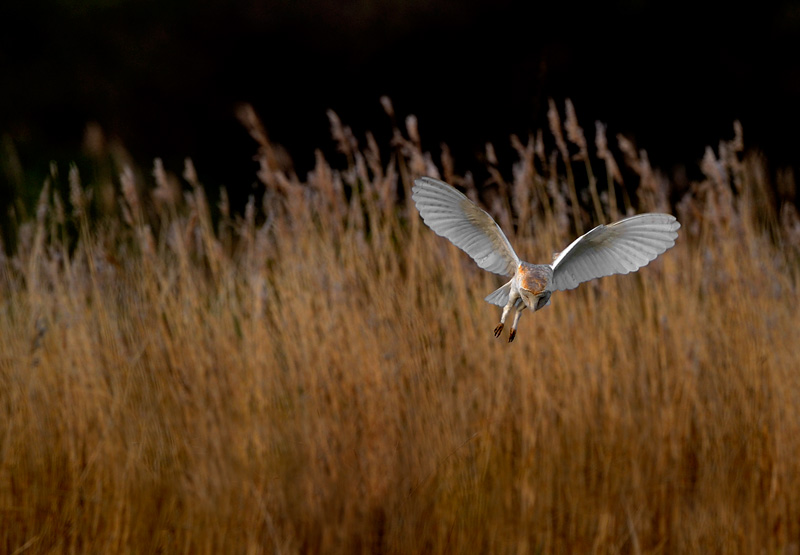
With some of the mildest temperatures on record it’s been a funny couple of months with regard to wildlife. With daytime temperatures averaging around 16c it’s been really mild and warm and nature hasn’t really known what is happening. Some birds are calling and almost displaying behaviour that’s normally suited to the onset of spring.
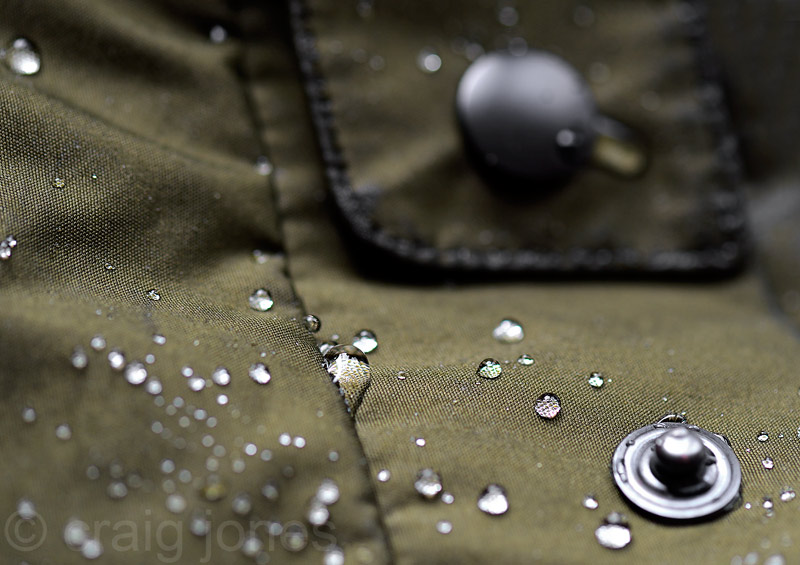
I have had the Linnet jacket from Country Innovation now for several weeks after being chosen as one of their test pilots. The following review is from the time I have spent in the field with this jacket so far. I hadn’t worn this make before due to having other brands that once you sort of buy into one brand you tend to stick with it. I’ve always knew of its quality through friends that go into the outdoors regularly with their binoculars and cameras and some ex army friends.
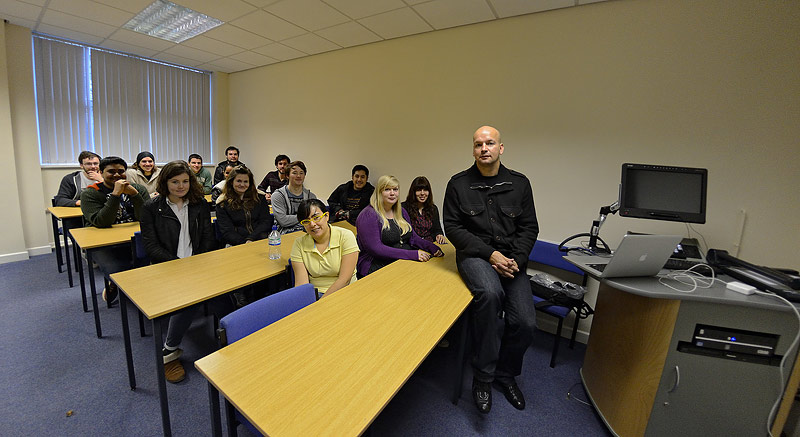
For the third year in a row I was invited to Nottingham University to talk to the students their on a masters course in photography. I have really enjoyed the last two years doing this and to inspire, and light someone’s passion through my own work is something I love to do. Your photograph starts in your heart and is projected through your eye is what I told the students.
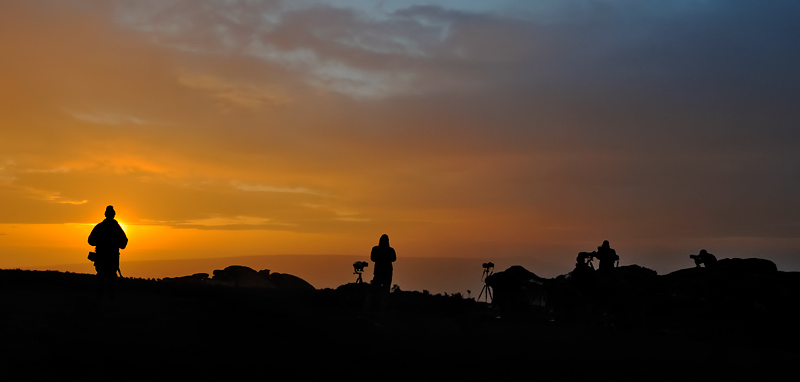
The talk at Nottingham University about my work, the industry and much more to the next generation of photographers went really well. It was really nice to catch up with the other speakers there I have met on previous years all well respected in their own fields of photography. The image above was taken during the talk and the following images below are from previous years.
I have never had a camera lesson or learnt in a classroom environment and that’s something I pressed home that don’t get to hung up on settings/books and gear, it’s all about knowledge that you cant buy, cheat or make up where you have to learn and know your stuff when it comes to wildlife and behavior the photography bit is easy to learn.
I always enjoy these talks as you can have a real impact on how people think and work once they here you talk . Nothing stops talent and passion twinned with determination though and anything’s possible, I told them all. Be true to your work and yourself. Let your peers/public know how you took the shot and what skills you employed and then they can judge your work and your skills while being transported to that moment you capture.
Thank you to the team at Nottingham University for inviting me once more, you all do an amazing job their for the students. To book a talk or for more information please see the following link, many thanks.
It’s been a busy few weeks for me with One to One bookings and Workshops. Its always really nice for me to go to places that I have had an historical connection with, and alot of the one day workshops I offer visit some of those places that I went to from my early teens. Looking back at times it was a form of coping with my late mums battle with cancer from the age of 12. Where I’d draw what I saw in the absence of a camera, learning so much about nature and those subjects that fascinated me and still do. .
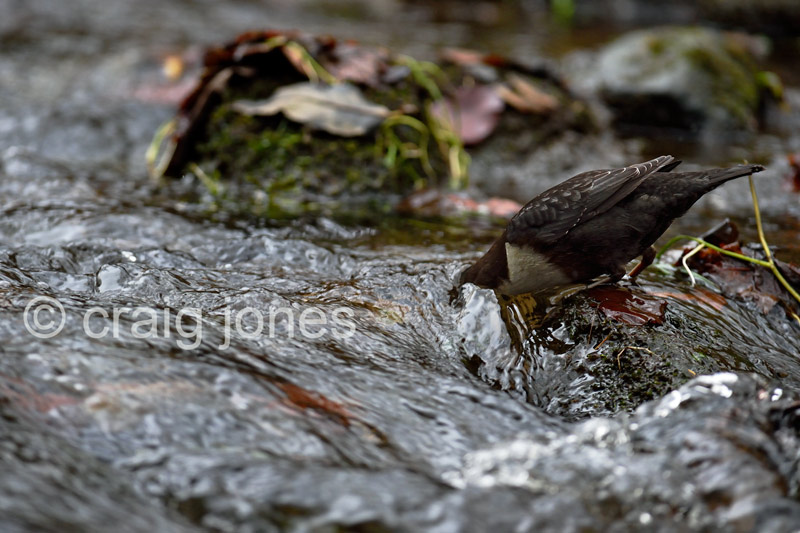
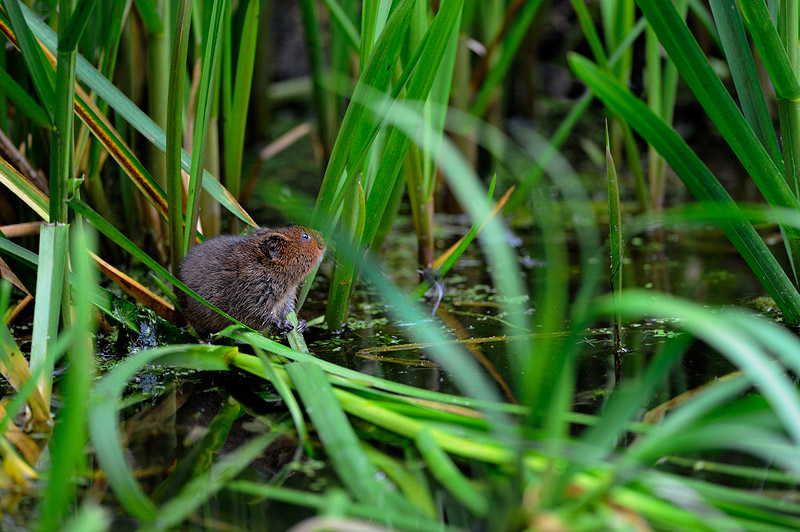
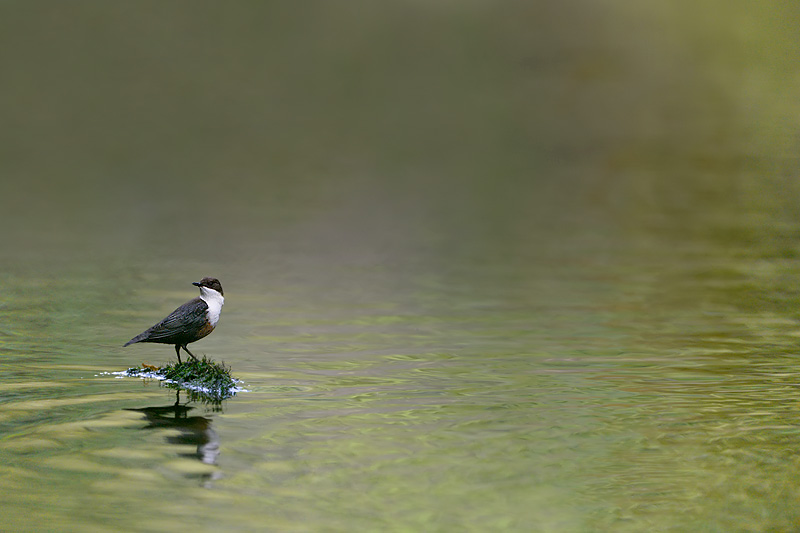
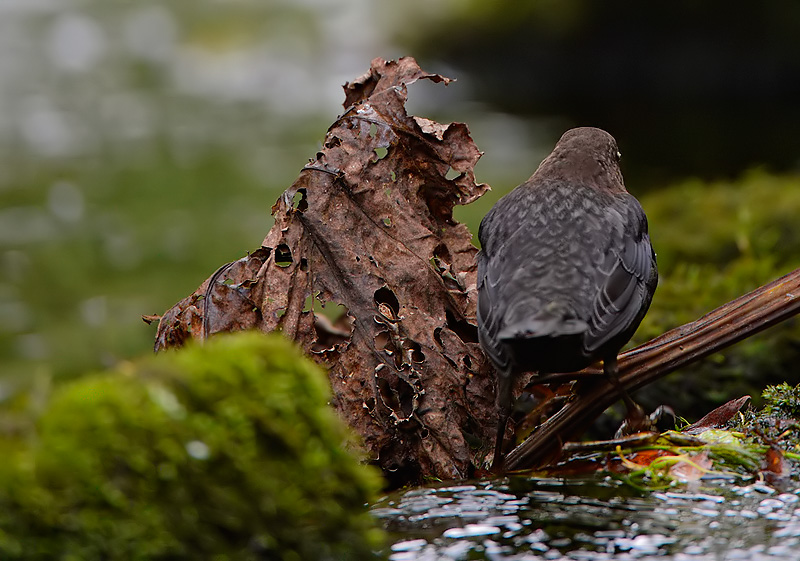
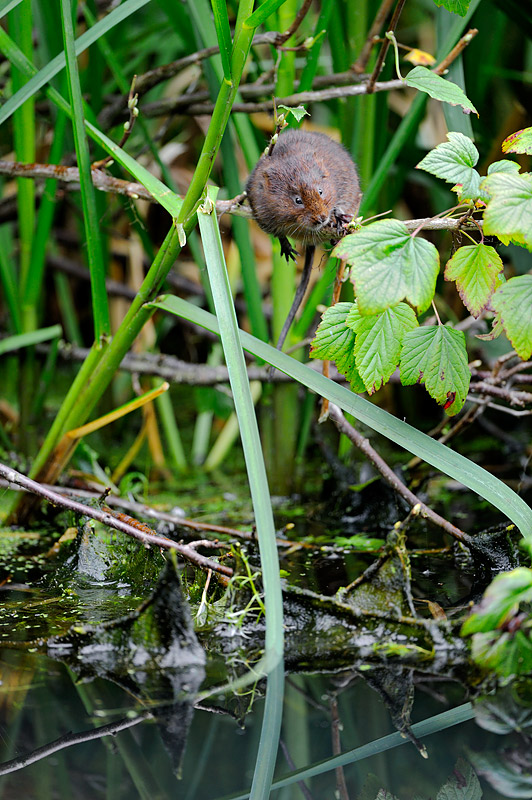
I have a lot to thank nature for and I hope thats reflected in my work today. I’d often take a pencil and paper and just sit and watch Dippers, Water voles along the rivers of the Peak District. I’d get a bus pass and my mum would allow me to catch several buses at the same time packing me up with enough food to last me a week rather than the day. It was an amazing adventure I can always remember and I was very lucky.
With the onset of autumn arriving daily its a wonderful time to be out with your camera and I have really enjoyed meeting several clients over the last few weeks where I have taken them to those same spots I talk about and have very fond memories of.
Knowledge of places and more so animals is key for me and elements that have made my photography really what it is today in the absence of any formal photography lessons or course and help really. A great sense of passion and knowledge and you can’t go wrong as a wildlife photographer.
When I started as a professional wildlife photographer in October 2009 I built my business around some of these places where I take clients now. Nothing is ever promised as I don’t do baited, bird on perch workshops or change an animals behavior by my presence in order to get a certain image. I offer an experience and show what I use employing many different skills learnt from those younger days.
Fieldcraft is key and something I’ve seen talked about alot in recently years. Ive had a few different articles published on the subject which is one if not the strongest tool in any wildlife photographers box when dealing with wild animals in front of your camera.
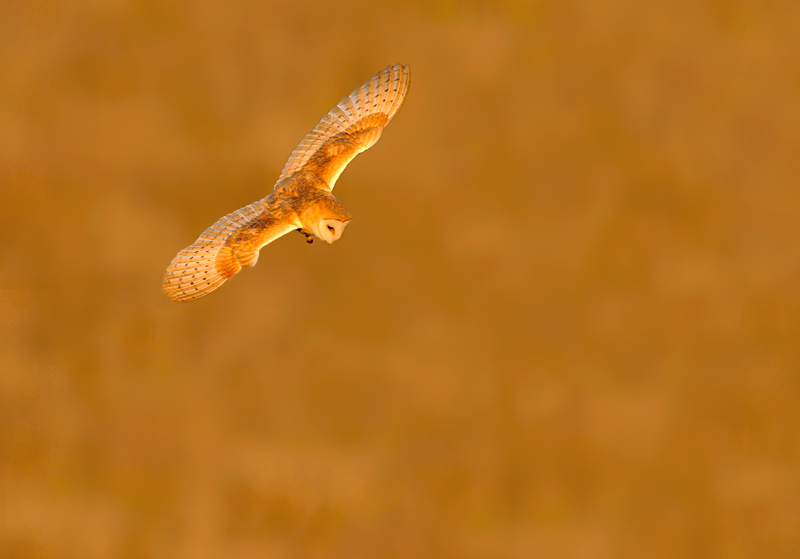
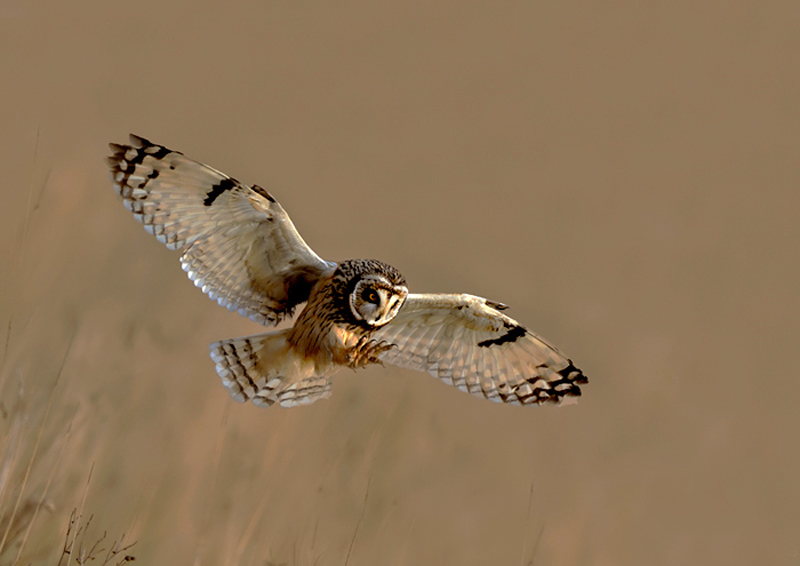
For me it’s what made me who I am and shaped me and still does as a wildlife photographer. All the images on this post are from those One to Ones over the last several weeks . It was lovely to meet you all and I hope you learned more about your subjects at the same time improved your wildlife photography.
I’m often asked what bit of camera gear is the best.? What do you think of this make and model..? How did you get into wildlife photography..? How can I take images like you..?? Every time if they are in front of me, I touch my heart and point at my eye, meaning your image is created in your heart and projected through your eye. I often get a puzzled look, a look of confusion and awkwardness but them the reassuring smile replaces that puzzled look and people get me then and understand my point.
Passion, time-served knowledge, fieldcraft, love and respect for your subjects come way before any make and model of camera and this is something I always say and have done. Put this with my historical connections with wildlife and places I’m then able to see those image that I later capture with my camera. The best advice I can give to anyone in this time of I want it now and overnight is to spend time with nature, watch, look and learn then introduce your camera and slowly it should all come together.
Anything I have touched on here if you require more information on then please contact me here. Many thanks to all my clients again over the last month or so and I wish you all well with your photography.
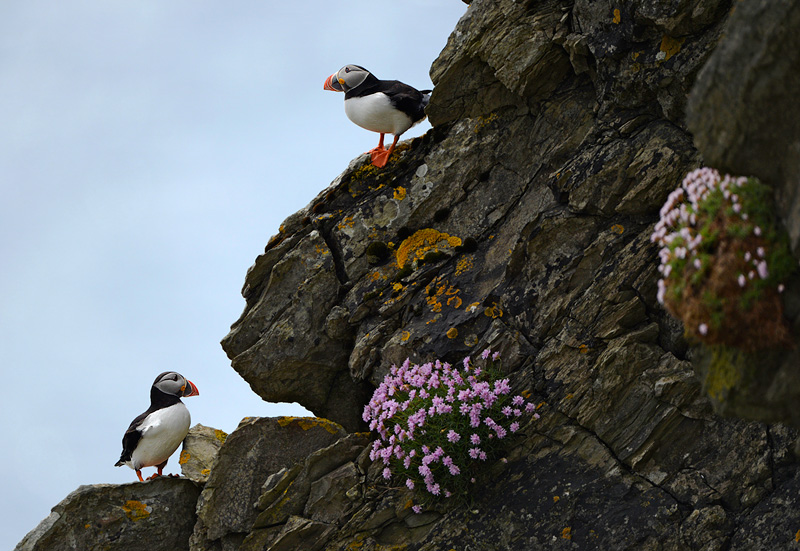
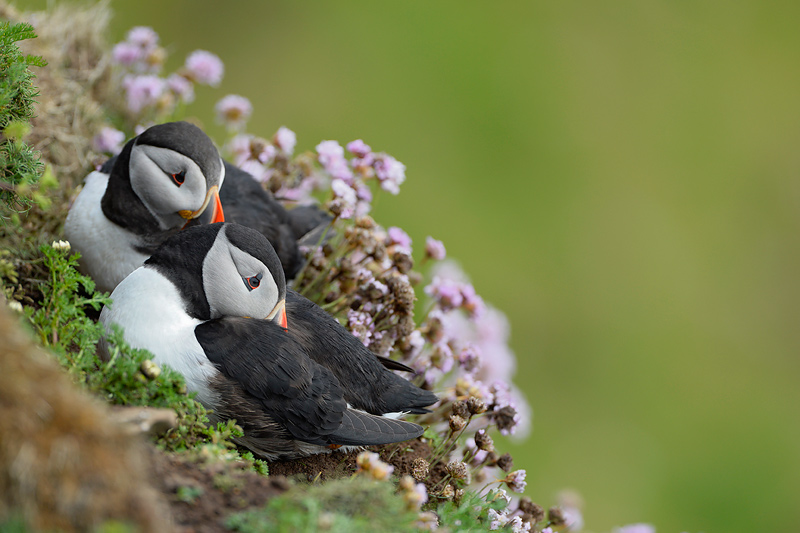
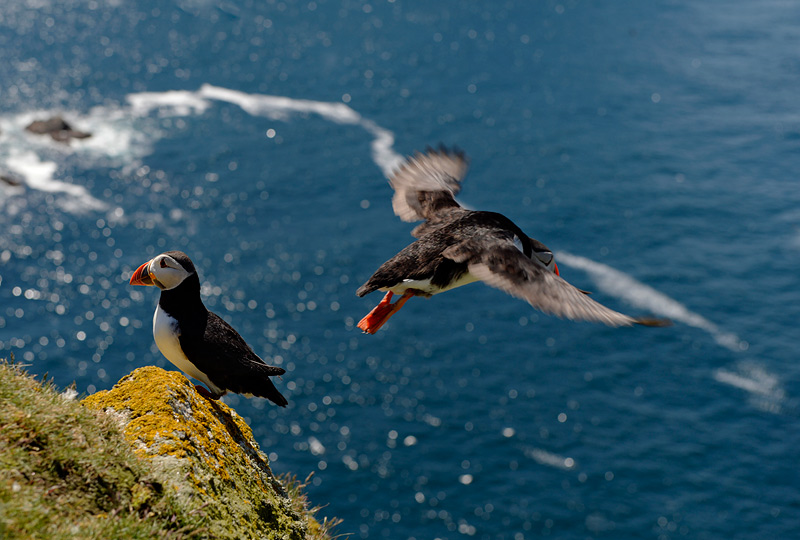
After a week on my own on the Shetland Isles which can be seen on my blog post below called Solitude my photo tour kicked off with some amazing weather and sightings. After picking my clients up from the airport and ferry port of Lerwick we headed to Sumburgh Head, the most southernly tip of Shetland. We spent the day with the Puffins there and they are just stunning and so beautiful and comical to watch and spend time with.
All my clients got some wonderful images of these stunning seabirds which are so funny to be around and spend time with. It was then back to our cottage and settle in for the week. Each night we have a home cooked three course meal cooked for us made from local ingredients made by my friend Anne, the wife of a good friend Iain who loves on Shetland.
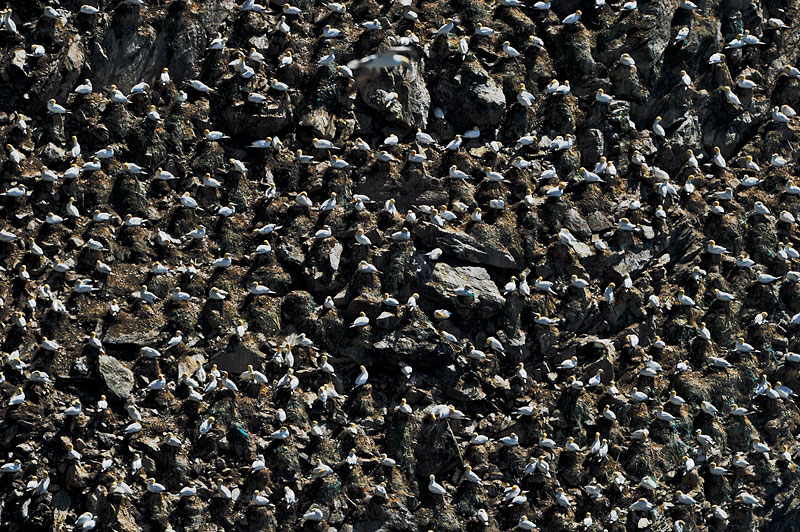
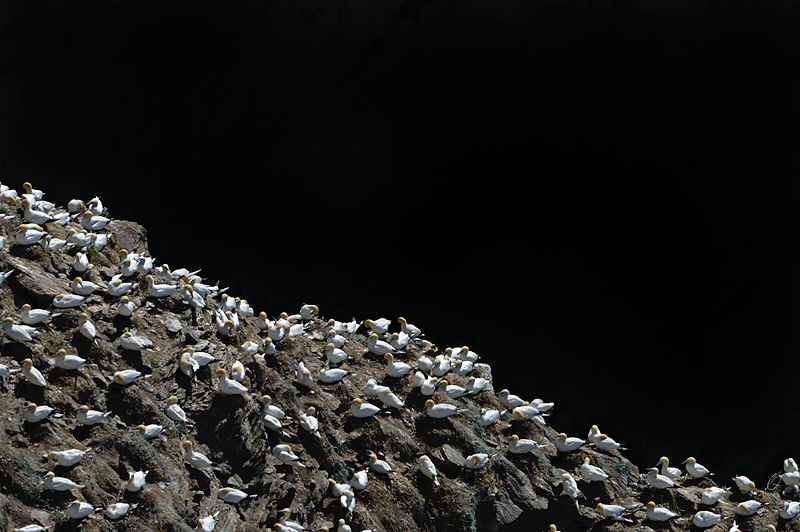
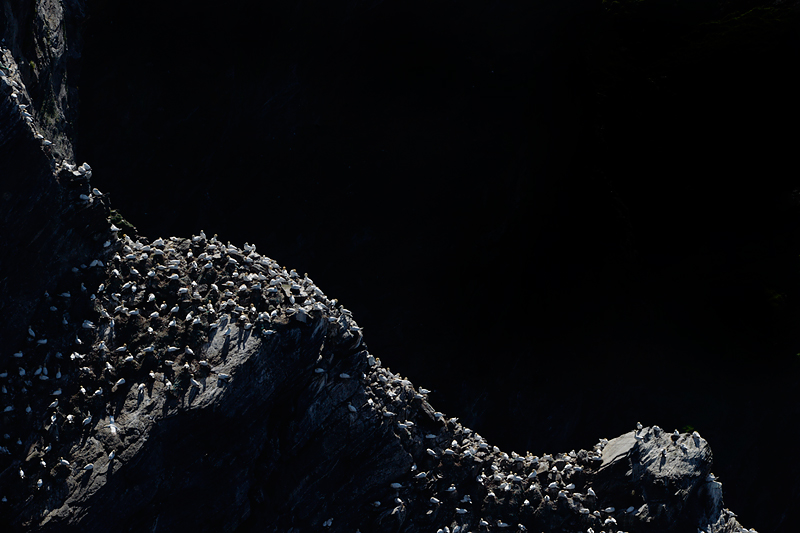
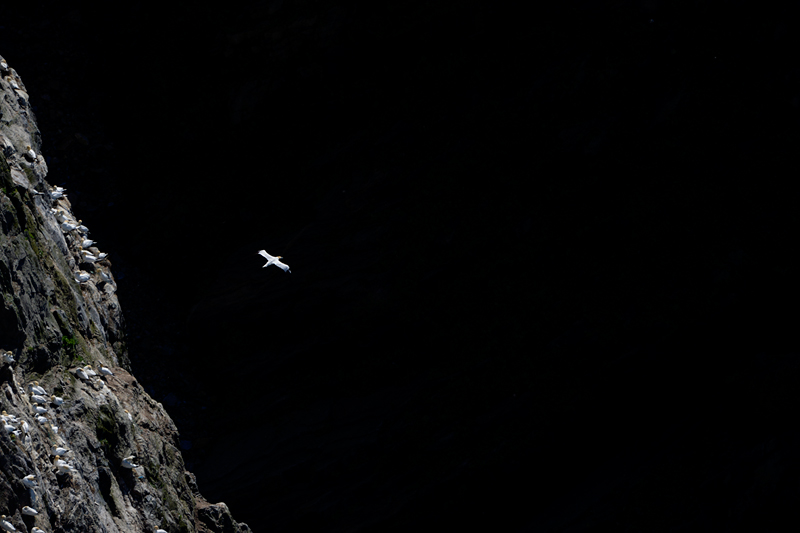
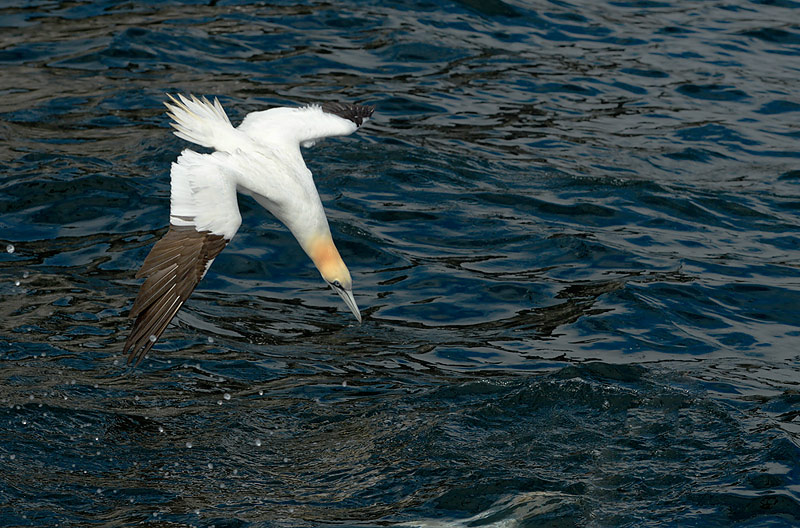
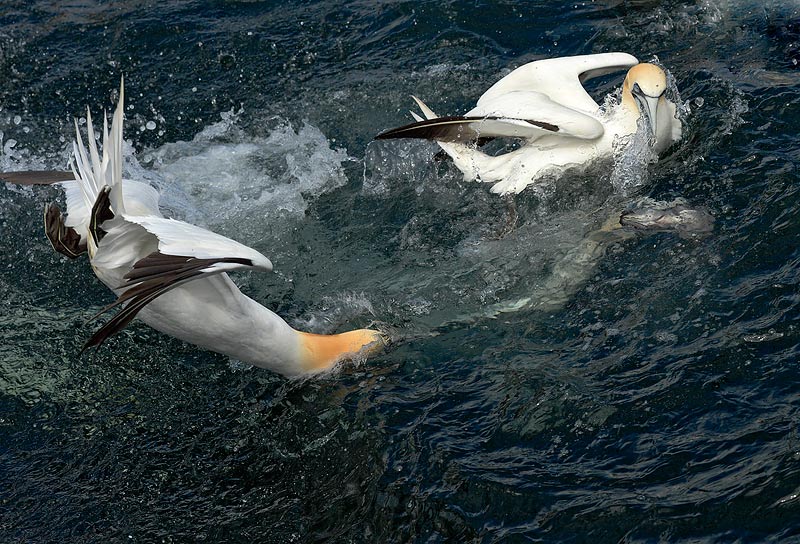
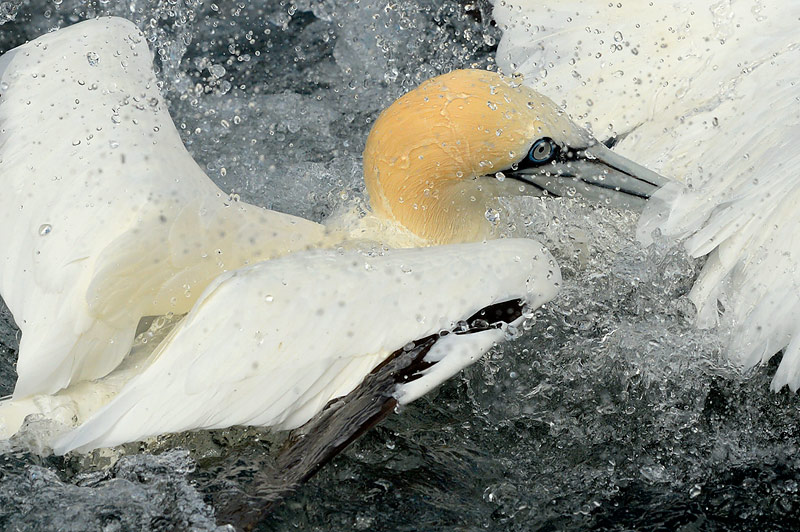
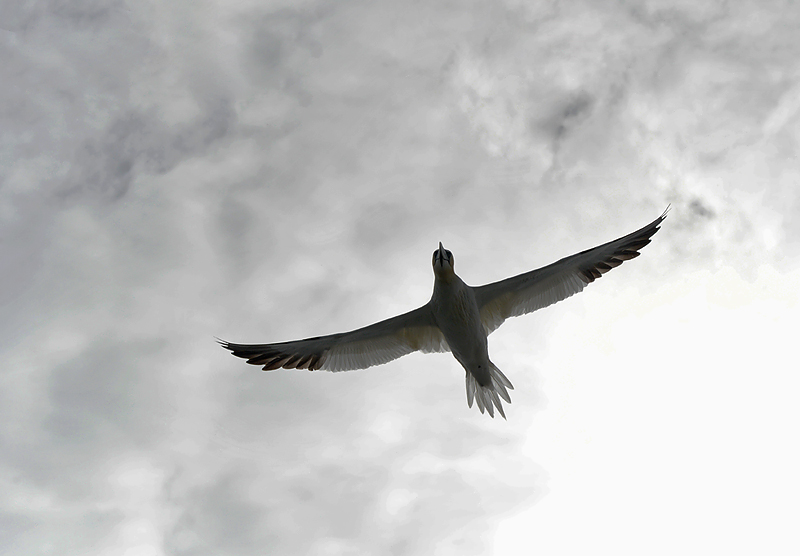
The next day it was a return to one of my favourite places , Hermeness, the most northernly point of the UK and a remote and wild place. Its home to thousands of nesting Gannets and other seabirds, including one of my favourite the Puffin. After the walk out there we spent most of the day there with stunning weather, then it was two ferries and home once again.
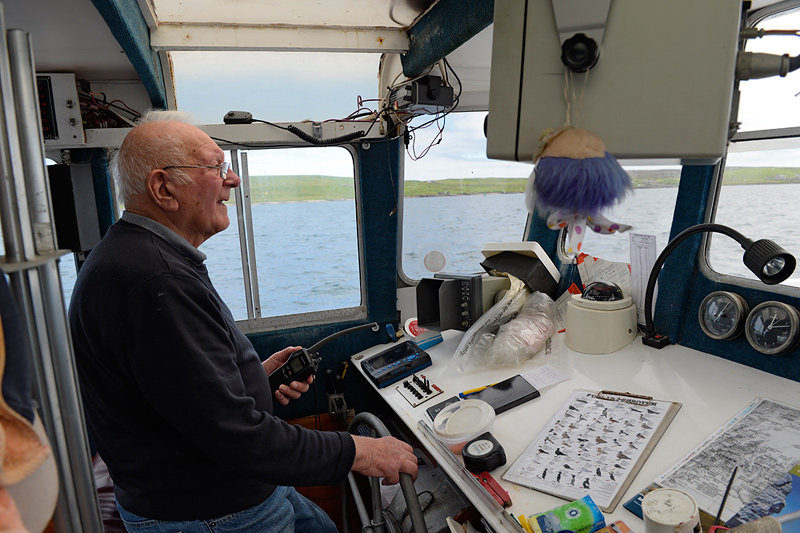
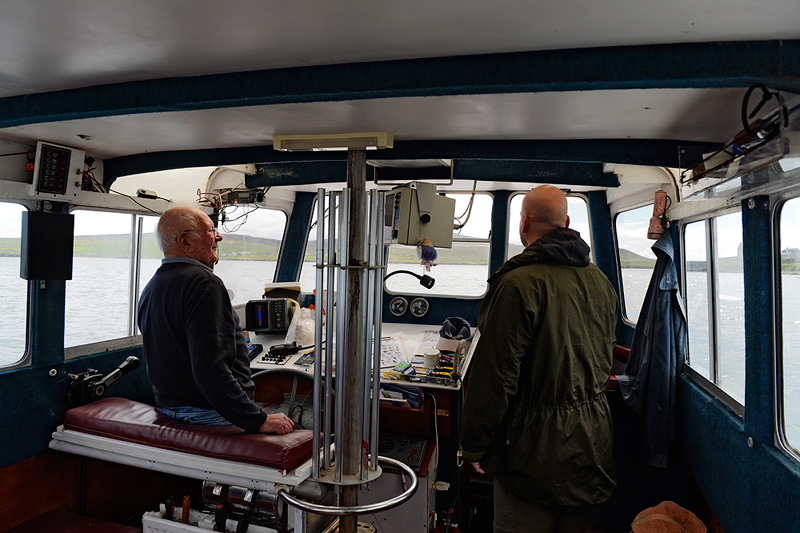
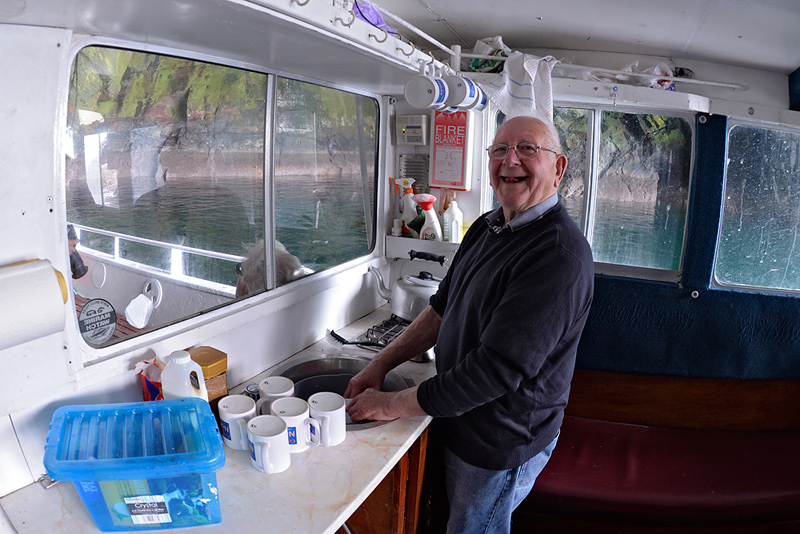
We had an amazing day at Hermeness and all my clients got some great moments and loved the place. Our routine each night was the same so it was back for our home cooked meal after a full day out. The next day we had a trip to Noss again where I chartered a boat with my friend and D-day veteran Geordie.
A year ago this month I met a wonderful man who touched me with his life greatly. Over the last 12 months his wife has become ill and is now house bound he told me on this day. He doesn’t run his boat trips much now because of his wife who he has been married too for over 60 years. It was a very touching moment to no he put his trip on for me once more and my clients, leaving his wife for the day to run this trip. I was moved very moved and couldn’t wait to see him and gave him a hug.
Twelve months ago he told me about his time in the second world war, he drove the gun boats onto the beaches at D-Day, leaving dying soldiers as he reversed off the beeches to pick more soldiers on as the push to calm the beeches had to go on. On the last day I presented him with some images of him, his craft and the seals he feeds and looks after. We had an amazing day and all my clients got some great images and were blown away with the trip and Geordie.
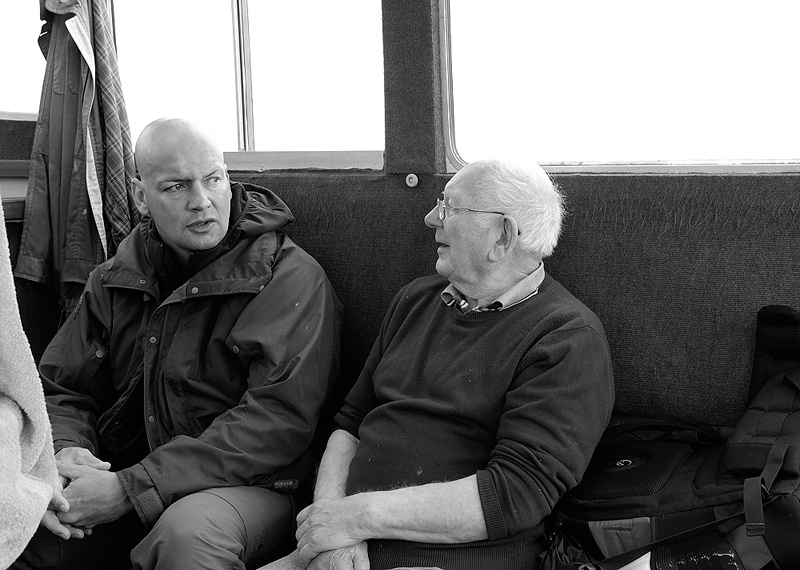
During the trip I got time to sit with him and we had a chat and he told me his framed image from last year of him at the helm of his boat is pride of place in his home and the others he has but his daughter had pinched one.He’s 90 on the 31 July and I couldn’t believe he still drives his boat. Very humbling, very emotional as this man for me stands for everything that is great in life and his wisdom and kindness is just beautiful. If I had a dad or grandfather he’d be the best I could have ever wished for.
He was too busy to go to the 70th Annervesary of D-Day because his wife is ill but he was interviewed for the papers giving his account of the war. he fought through all the war and survived. He sat down and told me more about that day, a day my mum was born so June the 6th for me is a special day already. Collecting floating bodies a week on after the landings and more really moved me, I never asked , he just trusted me enough to tell me and I was moved very moved.
We had a great chat and I was sorry to leave him I will be sending him a photo and card for his 90th birthday next month. What a man, what a person and a lesson to us all in humility, Humbleness, respect, kindness and much more. he’s touched me and I feel blessed to have met him.
All my clients got some great images from this trip to the small island of Noss, below are a few of my own favourite from this amazing trip.
The rest of the week we really concentrated on finding and seeing Otters as most clients had come to Shetland with a real wish to see this amazing mammal. I know of many places on Shetland for Otters but the tide times are key along with luck. We got some nice images, and had some amazing encounters. I show real fieldcraft and how to stalk, move and find Otters so all clients put these skills to use over their time with me.
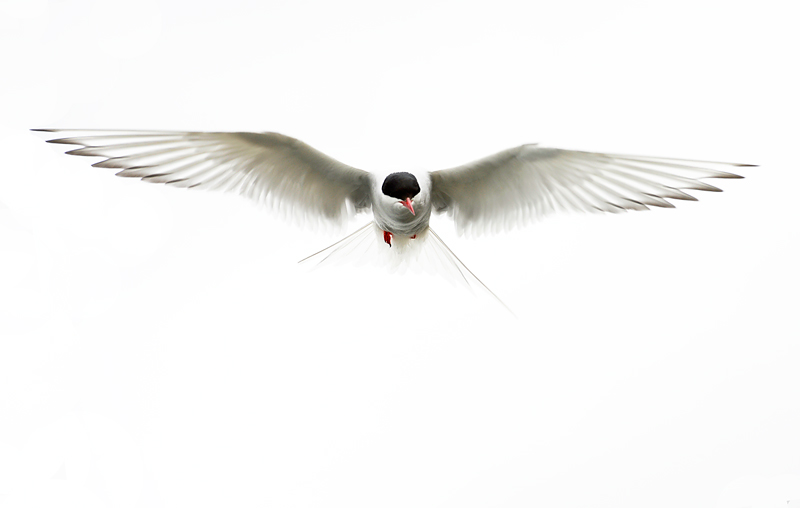
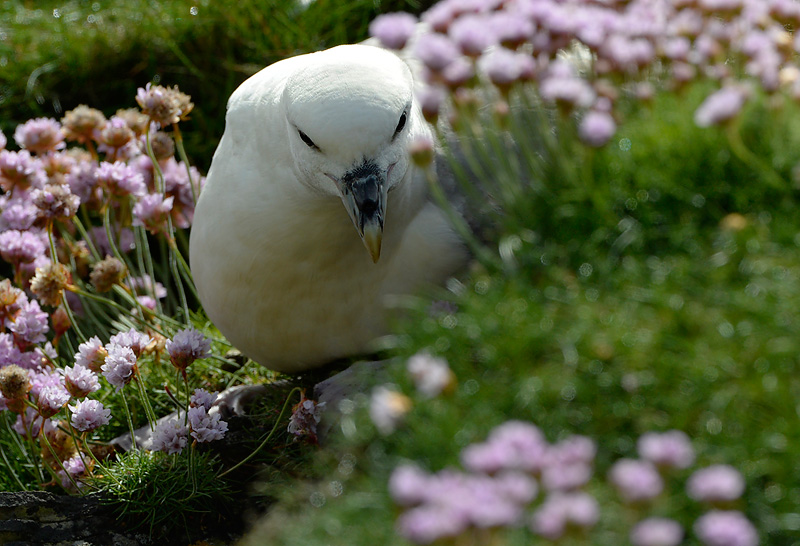
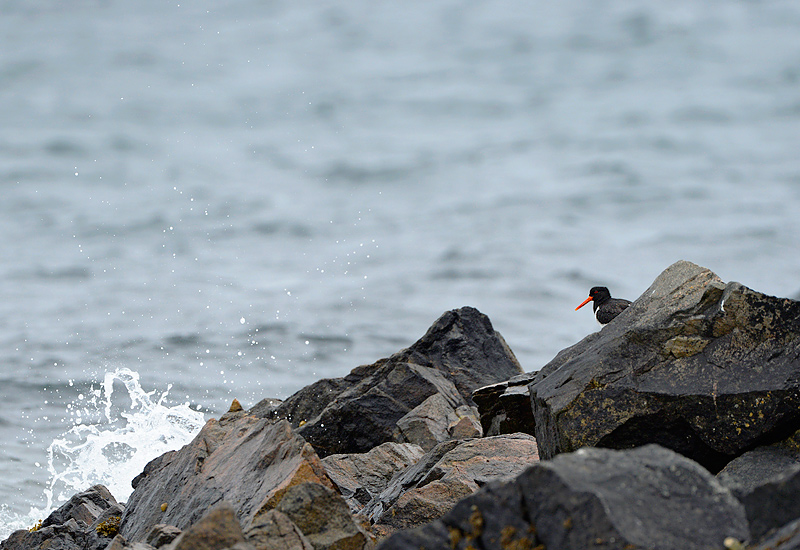
While we were going around the Shetland isles there is so much other wildlife and the following few images are some of those moments I captured alone with my clients too, Otters,Arctic Terns, Red-Throated Diver, Fulmars.
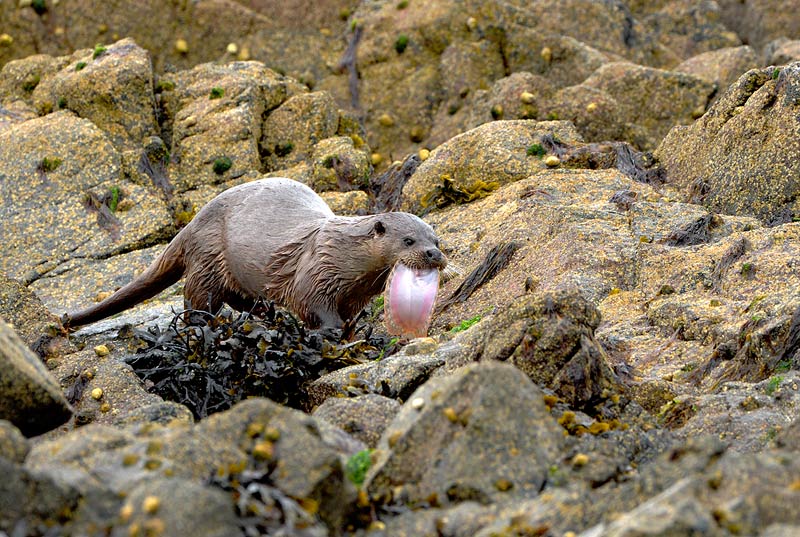
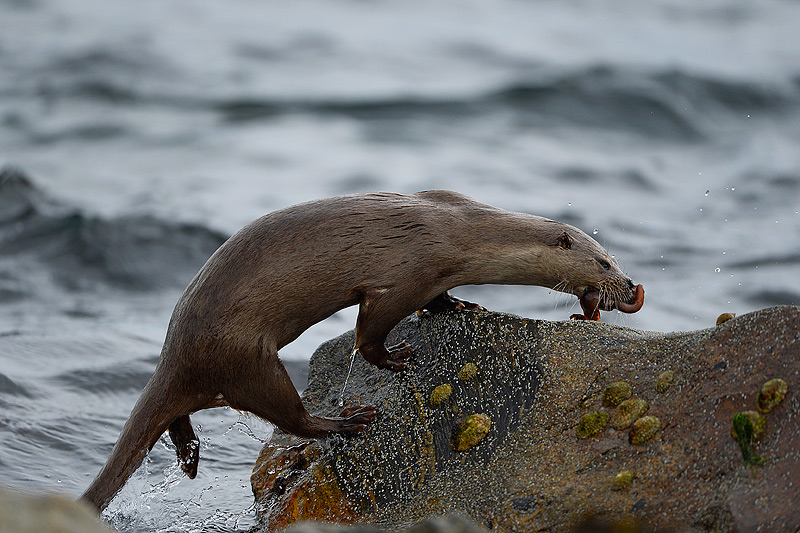
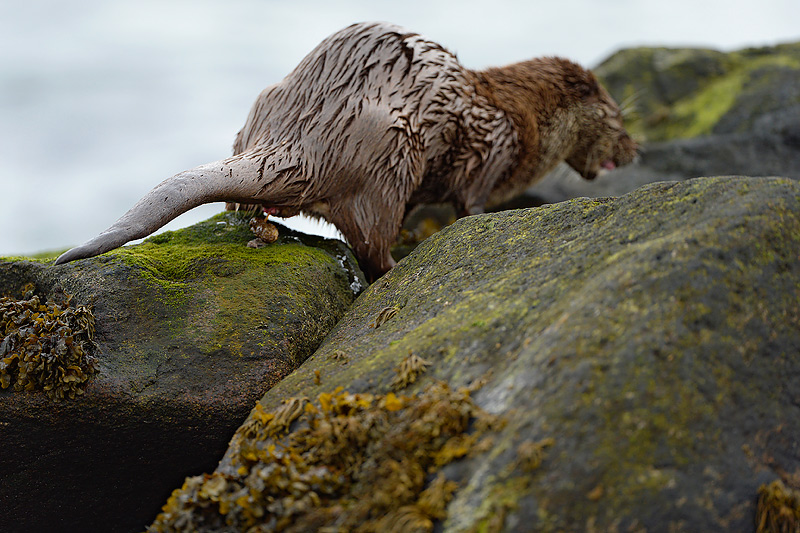
Our last day on Shetland turned out to be the very best for my clients with a male Otter coming close and all clients finishing a wonderful week with the best moments. The following images are some of my favourites showing him coming ashore, eating his fish, then smelling his scat or poo and then remarking his territory before heading back out to sea.
Otters are one of the hardest mammals to get near, they mark their territory often and always at the highest point so the tides dont remove their scat or poo. Look for this, build a picture, learn, watch, look, smell, and sit and with a pinch of luck things will happen.
Its been an amazing two weeks for me on Shetland, my first week alone camping at various places and seeing some beautiful wildlife.
The second week really followed the same path as I showed my clients the amazing wildlife these islands have to offer. I showed them all fieldcraft, photography and many other skills they will be able to take home with them and use within their own photography.
I’d like to thank all my clients for their company over the last week and to my good friends Anne and Iain Sloane who have helped me with my trip also. The dates and information for my 2015 trip to Shetland are now up on my website. Click here to see all these details and to book, should you have any questions or queries don’t hesitate to contact me many thanks.
A good Photograph is one that communicates a fact, touches the heart, and leaves the viewer a changed person for having seen it. Four years ago today my website went live and I turned my childhood hobby into my profession. I don’t see this as work but a way of life for me. My first blog post was about one of my images Family Life being commended in the British Wildlife Photography Awards- BWPA. It was the very first time I had entered any image into any form of competition and in the year that my website had launched it was a nice moment for me.
When I first started out I had no clue really how to work a computer, I had no knowledge of working Digital cameras, no formal photography training or background, I had no business or marketing plan, no money and had to borrow and beg off credit cards. I brought a prime lens with what money I had saved from working on the mobile cranes and rope access work I did for a living before photography. I learned how to work my camera and get the best from it in a way that works on the ground. I learned how to process images really getting the image right in camera rather than changing it in Photoshop.
I knew I had alot of knowledge of wildlife, I had great skills in fieldcraft and approaching animals and my heart was always among nature. I set up a few workshops that took clients to places I had visited since I was a kid to see and photograph some of my favorite wildlife and so my business started and grew. I was one of the first to start One to Ones with clients, offering a real encounter with wildlife at the same time learning key skills to improve my clients own wildlife photography. I still run these and my other trips very successfully today.
I’d like to take this opportunity to say a massive thank you for the support of my clients, editors, and people over the years that I have had the pleasure of working alongside. I am launching a photo competition today where the prize is a One to One with myself in the UK. With my ethics as the backdrop to this competition I want those that choose to enter to have captured a truly wild moment. No props, no perches, no animals made to do something in return for food. I just want a simple image taken by the photographer who used his/her own skills and knowledge.
During those four years I have tried and will continue too be as real with my images as possible. Capturing truly wild moments using my own skills rather than rely on bringing the subject to you through bait, food or using captive animals. In an age where you can almost buy any set-up image you want, choosing your perch or prop, setting the background. Where the animal is made to jump, fly,dive and stand on two legs and so forth in return for food and getting the paying guest his or her chosen image.
My wildlife photography was born out a sheer love and passion for nature from a young age. From those early days I spent so much time being at one with nature, close to and watching, hidden from view on the off chance I would see a certain animal. Learning to get close to wildlife without disturbing the life of the animal, almost forgetting the outside world and becoming part of the animal I was getting close to or watching. By doing this I could understand the animal better, gaining many skills by observing their behaviors at the same time giving the subject complete respect which allowed me a private window into their personal and private lives.
My images represent an event that occurred in the wild something that I witnessed and recorded with my camera. My skill lies in interpreting and presenting this in a way that invokes beauty, mood and emotion with each moment captured. Respect for wildlife has to be the first thing in any image obtained, love nature and she will give up her secrets to you.
The result is real images where the subject is completely relaxed by your presence. At the same time the photographer will learn so much more about the subject and the environment in which the subject lives. You have to learn about your subject and fieldcraft to really embrace the world of wildlife I feel and in turn wildlife photography.
Wildlife photography for me is capturing a moment in the wild, I make no bones about disliking set up images, captive images or where the animal is made to do something in return for a reward, this is image making not true wildlife photography where the subject becomes a commodity in order to facilitate those paying guests. Where the photographer has given no real explanation to how and what was behind the image.
The photographer has a duty of care not only to the wildlife but also to the general public who view your work. And in my eyes if you do this for a living and you work in this manner than you should have the integrity to tell those that judge you how you got the image and what skills you used in the pursuit of such an image. Wildlife is not a commodity in which you use to make money from one minute then try and use it as a vehicle to promote your own interests and cause the next.
What I’ve always tired to offer with my workshops here in the UK and abroad is an experience, a true moment in nature where you have learned how to work the land, learned abit about the subject and other skills. The hope is you go home afterwards and apply these skills learned and apply them to your own photography, this is my aim and what’s behind my workshops/trips.
Those clients that have spent time with me really benefit from this approach and learn much more in my eyes. Many have wrote their own thoughts on my Testimonials page which can be seen here.
So with all this in mind I have launched my competition today and its meant to empower those that enter to work in a more ethical way, love wildlife first and foremost and the rest will fall into place I believe. Its open to anyone and by showing a total understanding of your craft and the ethics behind the image you send in. I will look forward to seeing all these images and the winner will learn more of what they have already demonstrated with their winning image.
Competition
The competition will run from the 1st October until the 21st October. The winners will be announced by Friday 25th October. You don’t have to have any fancy camera gear, or be a pro or think you’re not good enough if you think you have a nice shot your proud of and its a truly wild moment then enter. The prize is the One to One day with me. Where I will show you everything I know, how I work and it will be fun at the same time very rewarding in terms of knowledge shared and fieldcraft learned.
Please email/message your image at 600 x 600 and 72dpi to my Craig Jones Wildlife Photography facebook page here.
The rules are very simple:-
1. Anyone, any standard may enter the competition.
2. Only one entry per person.
3. The competition is open only to UK residents.
4. Your image must be completely wild were nothing has been changed by the hand of man.
5. The competition will run from October 1st until Monday 21st October.
6. The winner will be announced by Friday 25th October.
I would then like a brief explanation of the story behind the image as I am very strong on this and again it tells the full story to those not lucky enough to have been there when the image was taken.
Announcing a new wildlife workshop I’m doing in conjunction with Calumet Photographic covering fieldcraft. After the great response to my article in Practical Photography giving my top ten tips and advice on fieldcraft I will be running this workshop over two days enabling you to learn one of the most important elements to wildlife photography. The dates for this workshop are Saturday 27th October and Sunday 28th and can be seen by clicking here
All wild animals that have no or very little contact with humans are scared and fear man. They see and smell us the moment we enter their world of which they are designed for and we aren’t. They have an in built fear of man and see us as a threat to their lives. For me, it’s how the person deals with that level of fear and stress using their fieldcraft that’s important.
Good fieldcraft is especially important for the effectiveness of wildlife photography. Concealment is what keeps you from being seen and allows you that private window into the subject’s life. Fieldcraft is the art of looking and reading the animals behaviour in parts dealing with the visible signs the animal will show you.
Come and join me on this two day Fieldcraft/Rutting Deer workshop. On the first day I will present some slideshows, go through what fieldcraft I use within my own work. I will demonstrate what you need to do in order to improve your own wildlife photography. The second day will start just before dawn and fingers crossed with get a frosty morning with some nice light as this will add a great deal to your images.
You will be able to put into practise what you learned on the first day on the ground on the second day. Wind direction, smells and watching for the behaviour that will be around us all. The month of October is a key time in the Deer’s own calendar, it’s a time when the males fight to keep control of their females that they will later go on and breed with.
Many male Fallow Deer’s want this chance to mate and so the rut is born. The air will be thick with testosterone as we witness one of autumn’s magical times. You will learn many skills during these two days,where fieldcraft for me is one of if not the most important tool in any wildlife photographer’s box.
For more information or to book this workshop then please click here to be taken to Calumets website many thanks.
One of the most important tools in wildlife photography is fieldcraft. Getting to know the subject, spending time watching, listening and looking, learning its behavior, its habits and calls. In turn all of this will reward you with a far better chance of capturing images that show the subjects natural behavior.
Regardless of the level of photographic skill your at you will need to learn fieldcraft to capture those images you see while among Mother Nature. With this though comes a great responsibility and integrity to your own work and your own foot print you’ll leave behind you when you leave the wildlife and go home.
Wildlife photography’s power rests on the belief that it represents an event that occurred naturally in the wild, something witnessed and recorded by the photographer with his camera at that given time. Clever use of friendly animals, hot spots, bait and the per-arranged perches or props along with digital technology has forced everyone to re-evaluate and question the validity of images they see now.
Living animals have feelings, emotions not to dissimilar to our own, tap into that whatever the subject maybe and you will see the real and true beauty of wildlife unfold in front of you. Apply your passion and respect on top of fieldcraft and the images will come.
Many species of mammals and birds will allow you to approach them closely if you are careful and take your time, no fast movements and using the correct techniques. Read the land for yourself, see what’s in front of you, in between you and the subject, use natural gulley’s and shapes to break up your approach. Never make the mistake of walking directly towards your subject as the chances are the animal will have long gone.
All wild animals that have no or very little contact with humans are scared and fear man. They see and smell us the moment we enter their world of which they are designed for and we aren’t. They have an in built fear of man and see us as a threat to their lives to put it bluntly. For me its how the person deals with that level of fear and stress using their fieldcraft that’s important.
Animal tracks tell you so much about what’s happening around you. It’s their highway, the way animals navigate their chosen habitat. Look for darkened earth a clear sign there’s life around. Just standing still for several minutes and look to see any natural lines, faltered grasses or earth moved or piled up. This then will give you a bigger picture of the main routes in and out of a forest say or farmland track leading to a wood and so forth.
Look towards the sun when studying tracks, you will see the shadows better. Footprints in soft ground will begin to deteriorate around the edges within 2 hours depending on the humidity, sunlight, and breeze giving you vital clues to what and how long ago an animal passed by that spot. The depth of the tracks and length of the stride can indicate the weight of the subject and the physical strength of the animal that made them.
Find out which way the wind is blowing making your approach better as most animals have a great sense of smell and it’s the first thing to give you away. The wind always wants to be blowing into your face, this will blow your scent away and remember to forget the aftershave or perfume along with soaps that are high in perfume as these will be picked up from great distances away. It is also important to recognize and learn the signs of stress within the animal so you know when to stop and leave the animal well alone. The last thing you ever want to do is cause undue stress and disturbance through your actions in order to get the shot.
Clothing, wind direction, covering the ground, shape, shine, staying low, can all help in capturing those moments in nature where you have to work harder with some animals than others. Some species will accept human presence quicker, taking only hours, where as other more sensitive subjects will take weeks if not months.
It’s the way I work while capturing wild animals in their their natural habitats while working very ethically alongside nature. Composing the wildlife to show others how they go about their lives,where they live and conduct their lives. So correct fieldcraft is an integral part to the way I work as a wildlife photographer. Being at one with nature is amazing and with time and effort and applying good fieldcraft everyone is capable of capturing those beautiful moments I am blessed with seeing each time I enter the natural world.
In July’s issue of Practical Photography I give my top ten tips and advice in order to help you, whether you’re just starting out or more accomplished in regard to fieldcraft the article is written passing on my many years of experience in this field over the years. Fieldcraft is the foundation to my work and style as a wildlife photographer today and has been since the moment I picked up a camera.
Look at the Foxes ears below, he couldn’t see me, but he could just make out the faint noise of my shutter noise from my camera. Each ear is facing in a different direction, one facing forward and the other facing towards where he heard the noise. He’s doing this to locate the sound in a bid to locate me, wonderful animal behaviour you can learn to read by using your fieldcraft skills.
Today people really want to see how you got the image and as a wildlife photographer you not only have a duty of care to your subject’s welfare but also to the general public who buy your work or follow you I feel. Showing and explaining how that image was taken, the skills you employed to achieve the image are paramount today.
The most important tip and piece of advice I can give in improving your fieldcraft is respect your subject, let wildlife live their lives without fear or stress from your presence. Apply all my tips from the article and the animal will benefit first and foremost and be able to carry on with their lives. Applying these tips will also allow you to capture images with a real story. Leaving little or no disturbance from the photographer is the best piece of fieldcraft you can learn and apply.
People then can see your fieldcraft and subject knowledge behind that particularly image. Learn the basics of fieldcraft and you can implment these to any real time situation within the amazing world of nature you will come across. I hope you enjoy the article which you can see by clicking here, many thanks.