I have just spent the last two days attending the Hen Harrier Weekend and as I write I’m still slightly overhauled by all the passion and sheer bloody mindedness to save these truly stunning birds I encountered over these two days. This is the second year this event has run now set up by a man I have followed and read his blog and words for many years, Mark Avery. If you end up on his blog without an invite then you’re in trouble as he holds nothing back in his pursuit to see the right thing done for wildlife.
It’s been a busy few weeks for me with One to One bookings and Workshops. Its always really nice for me to go to places that I have had an historical connection with, and alot of the one day workshops I offer visit some of those places that I went to from my early teens. Looking back at times it was a form of coping with my late mums battle with cancer from the age of 12. Where I’d draw what I saw in the absence of a camera, learning so much about nature and those subjects that fascinated me and still do. .
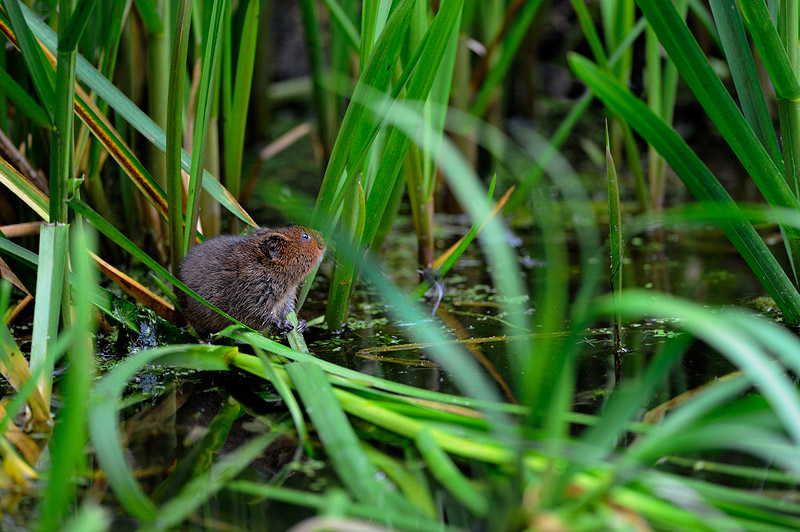
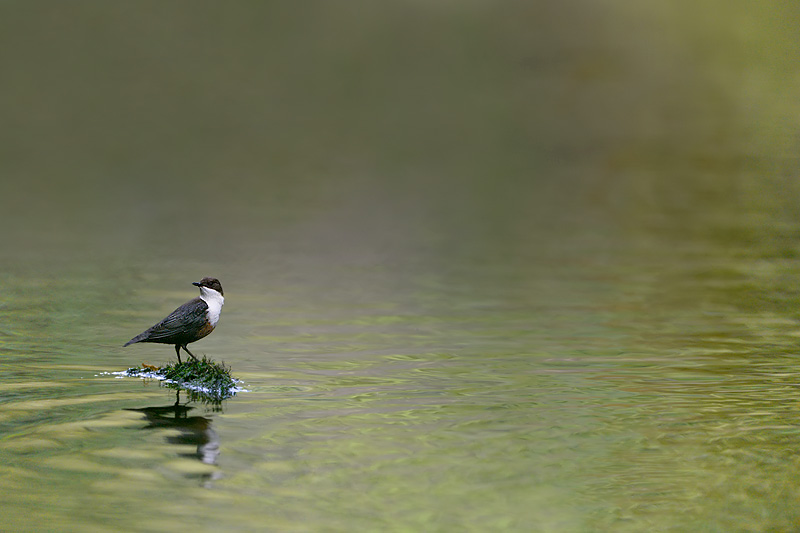
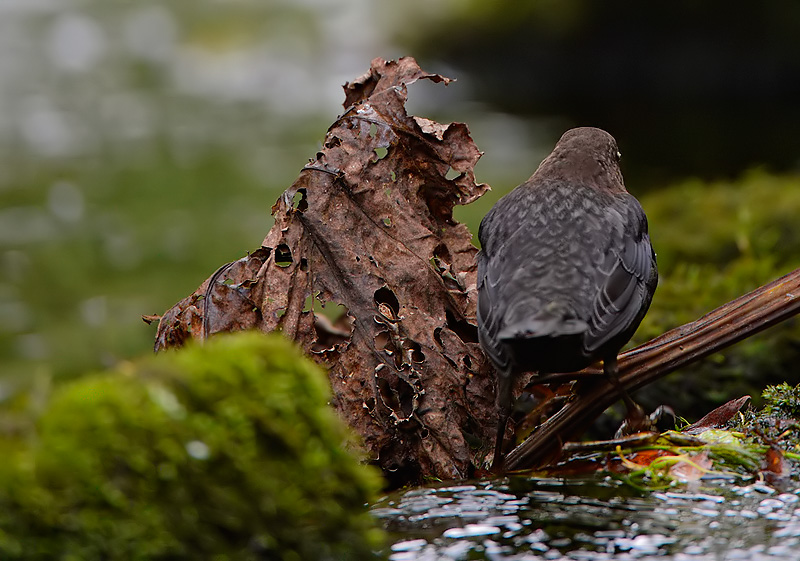
I have a lot to thank nature for and I hope thats reflected in my work today. I’d often take a pencil and paper and just sit and watch Dippers, Water voles along the rivers of the Peak District. I’d get a bus pass and my mum would allow me to catch several buses at the same time packing me up with enough food to last me a week rather than the day. It was an amazing adventure I can always remember and I was very lucky.
With the onset of autumn arriving daily its a wonderful time to be out with your camera and I have really enjoyed meeting several clients over the last few weeks where I have taken them to those same spots I talk about and have very fond memories of.
Knowledge of places and more so animals is key for me and elements that have made my photography really what it is today in the absence of any formal photography lessons or course and help really. A great sense of passion and knowledge and you can’t go wrong as a wildlife photographer.
When I started as a professional wildlife photographer in October 2009 I built my business around some of these places where I take clients now. Nothing is ever promised as I don’t do baited, bird on perch workshops or change an animals behavior by my presence in order to get a certain image. I offer an experience and show what I use employing many different skills learnt from those younger days.
Fieldcraft is key and something I’ve seen talked about alot in recently years. Ive had a few different articles published on the subject which is one if not the strongest tool in any wildlife photographers box when dealing with wild animals in front of your camera.
For me it’s what made me who I am and shaped me and still does as a wildlife photographer. All the images on this post are from those One to Ones over the last several weeks . It was lovely to meet you all and I hope you learned more about your subjects at the same time improved your wildlife photography.
I’m often asked what bit of camera gear is the best.? What do you think of this make and model..? How did you get into wildlife photography..? How can I take images like you..?? Every time if they are in front of me, I touch my heart and point at my eye, meaning your image is created in your heart and projected through your eye. I often get a puzzled look, a look of confusion and awkwardness but them the reassuring smile replaces that puzzled look and people get me then and understand my point.
Passion, time-served knowledge, fieldcraft, love and respect for your subjects come way before any make and model of camera and this is something I always say and have done. Put this with my historical connections with wildlife and places I’m then able to see those image that I later capture with my camera. The best advice I can give to anyone in this time of I want it now and overnight is to spend time with nature, watch, look and learn then introduce your camera and slowly it should all come together.
Anything I have touched on here if you require more information on then please contact me here. Many thanks to all my clients again over the last month or so and I wish you all well with your photography.
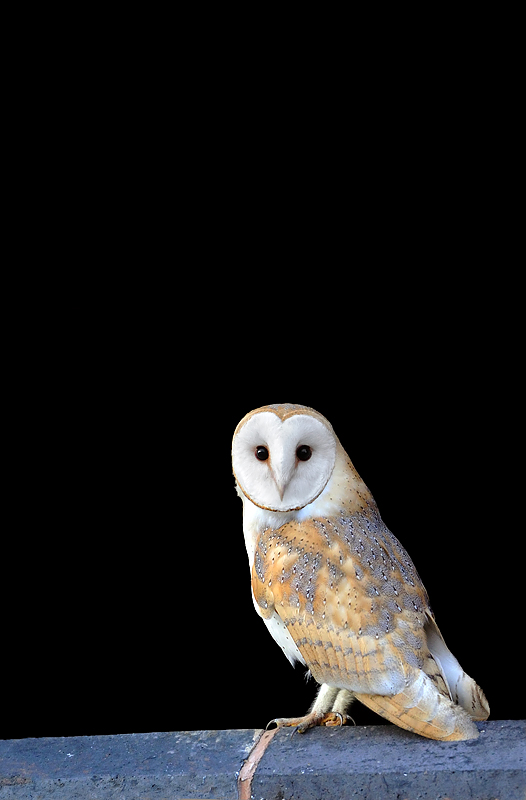
With the weather in the UK still presenting wildlife with some very testing conditions I find nature always gives off her beauty whatever the weather. I will be sad to leave behind the Barn Owls that I’m currently working on. Hoping that on my return the UK wildlife won’t have had more rain and flooding to contend with. For me though rain or shine nature always shines and makes me smile whatever the weather.
I’m heading to one of Europe’s most mountainous countries, Slovakia, leading two trips for Tarta Photography. I will be photographing Brown Bears within the Carpathian Mountains so I’ll be a little quiet on my blog for the next two weeks. Really looking forward to the trip and meeting clients during this time, where I hope to bring you more on this amazing trip upon my return home.
I’ve had a few one to ones over the last several days amongst my own work, photographing Red Grouse, high up on the moors of the Peak District. Also Dippers, where some river levels have risen and the wildlife have either moved or drown, which is incredibly sad. On the days my clients booked we braved the weather reports and were treated with sunny but at times wet weather.
.
After rain there always comes wonderful and very usable light for photography so sometimes it’s just worth taking a chance, where fortune often favours the brave, and those weather fronts I like to study turn out wrong sometimes.
Some of the moors are just starting to show some colours now, in full bloom it can be just a carpet of soft purples covering vast areas, making a wonderful back drop to the grouse. I have a number of workshops during the best times, so if you’d like to join me, learn more about these iconic birds and at the same time learn fieldcraft and how best to approach these birds then click here to see these ever popular days I run.
Many thanks to my clients for your company, where the gamble paid off and everyone got some very nice images of their chosen subjects. The message here is work with what you have and the wet weather fronts can pass as quickly as they arrive, but wildlife will still have to feed to stay alive. For more information on my one to ones I run throughout the year and at the varoius locations I know well around the UK, then please click here to be taken to this page.
Dates for my talks in 2012/13 covering a wide variety of my work are filling up fast, so if your a camera club, organisation or chairty that would like to see beautiful images of wildlife, whats behind the images and my work then contact me for more details and rates, many thanks.
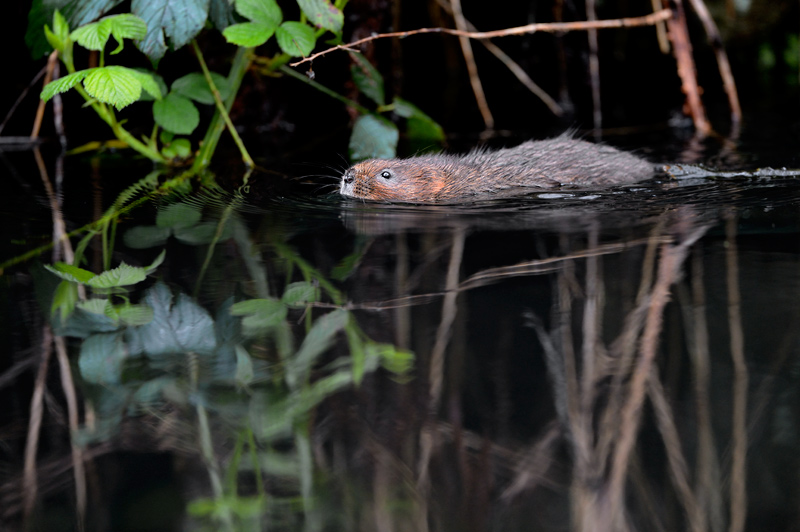
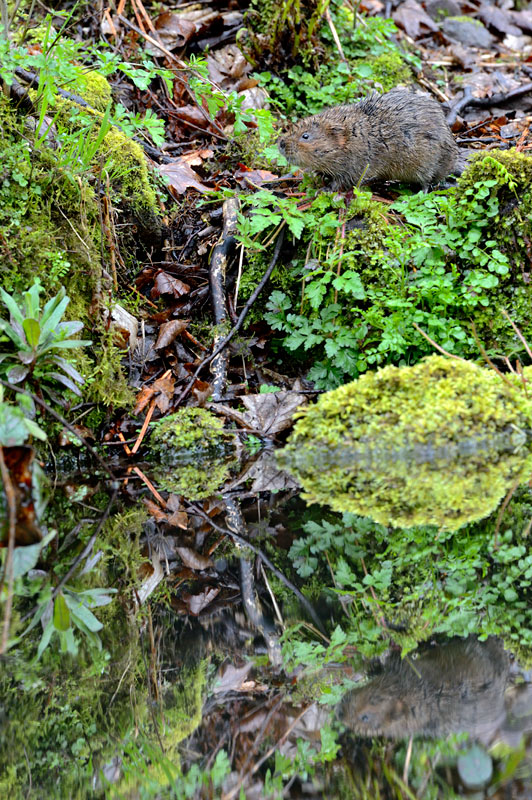
Water voles are one of my favourite mammals in the UK, with their plump bodies and enduring mannerisms. Water voles are often mistaken for rats and the character called Ratty, in Kenneth Grahame’s ‘The Wind in the Willows’, was actually a Water vole. There has been many remakes of this wonderful children’s book which was a firm favourite of mine.
While waiting to see one of these animals show up you can often feel you are among a real life set of the wind in the willows, with the many insects and small creatures all going about their lives around you, with the continuous flow of moving water.
I’m always very vigilant when I’m around rivers and streams, just in case you see any sign of these fellows around. They leave characteristic tracks in mud, close to the water, their forefoot has four toes which leaves a distinctive star shaped pattern, while the hind foot has five toes. A great way to tell if water voles are about is to look for the tell tale signs they leave, such as footprints, burrows and droppings. They are active during the daytime and particularly in the early evening.
If you sit quietly and patiently you may hear the characteristic ‘plop’ of a diving water vole and then be rewarded by seeing it make its way, doggy-paddle, across the river as it patrols the banks searching for food. Water voles are affected by poor water quality another major clue in locating them, if the water isn’t clean and healthy then you won’t find them there.
Over the last several weeks I have spent alot of time watching a couple of pairs at different locations within the rivers of the Peak District and witnessed some amazing and unseen behaviour. Last year I was amazed to see one vole climbing small trees to reach and feed on fresh leaves, sitting suspended above the water casally eating without a care in the world.
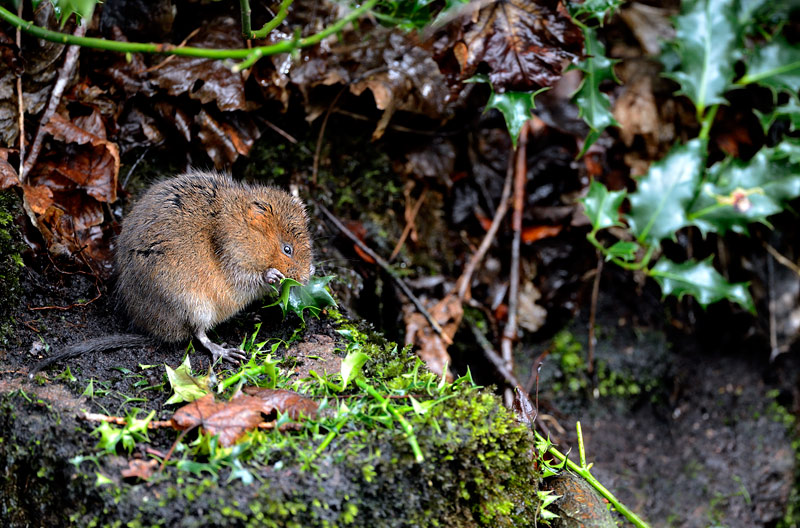
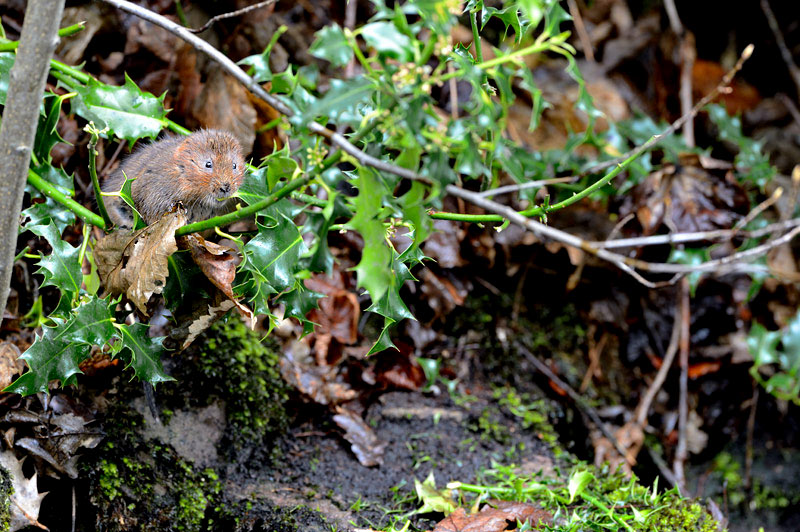
Water voles love to eat a wide range of vegetation, small fresh leaves and roots are their favourite but they will eat basically anything they can find. Recently I witnessed one vole eating holly leaves, nibbling around the sharp points consuming the juice centre parts then discarding the sharp bits aside.
Once the lower leaves on this tree had been eaten I then witnessed him climbing up, sometimes falling off to continue eating these holly leaves. At times it was so comical, I didn’t know whether to laugh or cry with laughter as this was behaviour I had never witnessed within Water voles before.
He would slowly climb up, in between the sharp points of the leaves to reach them, bite and begin chewing. A couple of times he’d get to where he was trying to reach a leaf, only to fall off, make a massive plop, swim a shore and continue on.
“Nearly there” I was saying while pinned to my cameras viewfinder capturing this sequence, with his eye just peeking through. At this stage I was glued to him just not knowing what would happen next. I’ve never laughed so much while watching wildlife before. And as I watched through my viewfinder I really hoped he understood I was laughing with him not at him.
Streamlining his body shape and fur in order to squeeze around the sharp edges of the holly leaves, as seen in the photo below. Almost halving his size in order to get up and past these sharp obstacles.
For every climb that he succeeded there were many that failed, where he fell and plunged into the water beneath him.
He would come to the surface and swim to the shore and carry on, occasionally having a quick look around to see if anyone had witnessed his fall. Almost like when you see a person fall over or if you trip or fall yourself, you bounce straight back up and carry on red faced , just checking around to see if anyone witnessed your fall. If they did, it just made the whole experience just that bit harder to bear. But such was the determination of this enduring fellow and the pull of these leaves he carried on for several minutes.
They say a picture paints a thousand words, so I do hope these photos really convey what might have taken me many more words to express. Where the power of visualization is key for me. I still cannot believe what I witnessed and it clearly goes to show that no matter how long or how much you know about a subject, there will be always more to learn.
This is the beauty of wildlife photography, the fact I can show now what I witnessed rather than just trying to explain what magical wonders I saw that day. By just watching and listening and taking in whats around you can often result in these wonderful moments I get chance to see whilst among nature. This is the key to my work, many thanks.
Spring time for me is the best time of year. Wildlife is everywhere and bird song fills the air, even more so over the last several days, waking up to several inches of thick snow on the moors of the Peak District. I thought this maybe an April fools too far. During the last ten days or so I have enjoyed the very warm temperatures of spring whilst in Norfolk and other places around the UK running my one to ones and also my own project work.
Great Crested Grebes, Brown Hares, Barn owls and many more species all settling down, starting to pair up and begin a family at this wonderful time of year. I had a one to one in Norfolk and really enjoyed showing my client around. We captured some wonderful images of Barn Owls, Brown Hares and waders during the day and Ben wrote a lovely blog post with some great images which can be seen by clicking here
“You couldn’t make it up if you tried” first came to mind, as I had two one to ones booked in to photograph Red Grouse on the moors, the heavens opened and inches of snow fell. Some roads in and out of Buxton where closed so it was really touch and go on whether the days went ahead. I made contact with both clients as a blanket of thick snow in early April really is unheard of. Also very worrying for the wildlife sitting on eggs and trying to breed/mate while the weather was plunged into freezing, wintery conditions.
Both of my Red Grouse one to one clients where great sports and both days went ahead as planned. The first day was a little tougher due to the snow being at its highest from the previous day’s downfall. We had to walk in places knee deep in snow as we ascended in darkness to where the grouse live and play out their lives among the higher regions of the Peak District.
Walking through thick snow with heavy kit bags does get you warm. Full credit to Steve though who knuckled down and was rewarded for his efforts with some amazing encounters of both male and female Red Grouse, the words “you only get out what you put in” ringing around the place as we sat down and drank our cups of tea some 600 meters up above sea level.
I always tell clients that the best way to see and in turn take your photographs is just sit and watch, read and listen to nature, she will tell you what’s around and what is happening. Never force anything and never go with a shopping list of shots you wish to capture. Adopt this approach along with care and respect for your subject and you get some wonderful moments into a wild animals life. On both days both clients did just so and had some lovely encounters with this iconic moorland bird that is so at home within this sometimes unforgiving habitat.
Rival males posing to each other and fighting over their females, trying their luck. We even witnessed a grouse having a snow bath. Cleaning his feathers among the deep snow. Animal behaviour is amazing to see and capture and I showed some key techniques and fieldcraft which enabled both clients to read a little more into what was happening, in turn resulting in lovely moments where we came close to these birds on so many occasions, peering into their world through their eyes. This always has a deep and long lasting impact on me, making that contact with nature is priceless.
The weather on both days started well but became foggy on the second day but again the grouse came close and carried on with their lives around us which was magic and true, real wildlife photography for me. Blending in, using what’s around you and just watching and working the land. Thank you Steve,Nigel also Ben for your company over the last several days and I wish you well in your photography.
During the last several days I have been busy working in my office, the great outdoors, as I call it, amongst nature which is a place I find great peace in, capturing more magical moments. With a couple of one to ones in the Peak District, and a visit to the SWPP conference alongside PhotoTraining4U who had a stand there, my other free time has been put to good use watching and looking at the several subjects I am hoping to photograph this year. It’s always enjoyable at the same time very time consuming setting up your own work from scratch. But when it works and you see the subject(s) and capture them going about their lives it’s the best feeling you can possibly have as wildlife photographer.
I have been lucky enough over this time to have had some wonderful close encounters once again with different wildlife, the Short eared Owls are still very much around, hunting in the late afternoon sunlight. They normally stay at sea level until around late February to early March, but with the warmer temperatures they may just disappear at anytime. They are also very nomadic out of the breeding season and once a food source has dried up in the area that they are staying in they just leave without warning and find another vole rich habitat in which to spend their winter months before returning to their spring breeding grounds.
A Kestrel hovering right above me in the first rays of dawn light was one such magical moment. I got into place just before dawn, hid myself away along a natural gully and waited, as the sun’s rays began to warm me I heard Magpies and Crows calling which can give you your first clue wildlife is around. In most cases they call when there’s a bird of prey around hoping their calls and mobbing behavior will somehow move that bird on. I watched this Kestrel, hunt, then back track on itself, covering the ground in a sweeping motion, doubling back on himself to cover every inch.
He carried on coming forward, searching in vain the grasses and reeds below him, those same reeds that were sheltering me. He then hovered right about me, and in the still of the morning I could just make out his faint wing beats as I watched and captured that moment with my camera. We made eye contact, watching each other which always has a deep impact on me, a powerful feeling I cannot explain. Those briefest of moments are captured here with these images shot with my 1.4 converter on. He stayed for around 15-20 seconds then went. He’d heard me and as I am writing this blog I can see him looking down at me, remembering that moment as though it was seconds ago, that’s the power of nature.
Barn Owls are without doubt though one if not my favourite UK birds, and I have enjoyed lovely moments too over the last several days with these beautiful owls. Only recently I have read with great interest a report on how they hunt. Having been fascinated with this bird from childhood I’ve learned a lot about them and their feather structures having taken them home with great interest having found them on the ground. The way in which they hunt or quarter and their heart shaped faces have always amazed me, the heart-shaped face works in a similar way to humans outer ear , collecting and directing sound toward the inner ears which helps this amazing hunter do what it does best, slightly glide over land hunting in almost pure silence.
The report has found that each of a Barn Owls ears is a slightly different size and shape, and one is higher on the bird’s head than the other. The owls can analyse the differences in the sound received by each ear to automatically calculate the exact position of that sound-source. Which means that they can detect prey below them in pure darkness and hunt with great effectiveness and stealth. In most parts Barn Owls hunt in the dark so visual information is not possible, so their hearing really is their lifeline. Flying in silence helps them listen for movement, prey that’s moving.
Most if not all of the owls plumage is covered in a dense covering of feathers, those feathers produce more lift with each beat due to their shape and design, having a high curvature. This design allows the air to pass through and they offer little turbulence, reducing friction noise between the feathers. The end result is one of the most prolific hunters within the natural world. And the report suggests in time the structure of the Barn Owls wing may provide a guide for the design of quieter and more efficient airfoils for the aviation industry. Proving yet again that so many designs of man-made products are derived from the wonderful world of Mother Nature.
Barn Owls are amazing and they are just so wonderful to watch and photograph, the following slide show shows images taken over the last three years, from several different sites, showing these amazing birds of prey hunting and flying on the wing, I hope you enjoy it as much as I did putting these images together.
Thank you to my two clients, Mike and John for your company on your one to ones within the beautiful Peak District. I will continue working on my subjects and fingers crossed I’ll have some wonderful images to post on my blog in the coming months.
I have often said on previous blog pages covering many different subjects and places, you just never know what you’ll see when working with wildlife. And this one sentence couldn’t be further from the truth on a recent outing photographing Watervoles at a site within the beautiful Peak District, Derbyshire. This little creature lives a peaceful life on our riverbanks up and down the UK, often going unnoticed by passersby, but should you go to close or spook this animal you’ll be greeted in most parts by a loud “PLOP” as the vole makes a quick dash for safety by diving straight into the water and away to safety.
I am very fortunate to have found over the years several good sites in which these animals live and breed in. Watervoles are one of my favourite mammals, with their enduring character and cuteness, making them a lovely subject to watch and also photograph. They are legally protected in Britain and sadly their numbers continue to plummet. Due to its small size and the fact that it lives both on land and in the water, Watervoles are prey to numerous predators wherever they appear to live.
Mink, Weasels, Foxes along with Adders are the most common predators on dry land, with Owls and other birds Of prey hunting them from the air. Large fish such as Pike are known to hunt these mammals also. Their vast reduction in numbers in recent years however is not just caused by this high level of predation, the loss of much of their natural habitats has had a much more drastic effect along with the destruction of bank side vegetation, and pollution playing a vital part of their declining number on our shores.
I have been very lucky over the years in finding sites when I’m out and about, often there looking for another subject, when suddenly I’ll see gnawed nuts, shredded bark and cut grass leaves, all clear indicators of their presence around me at these new sites. One such site I have been watching for some time now, in-between my one to ones/workshops and other projects, I have captured them going about their lives along this very healthy river system in a beautiful and secluded part of the UK.
They share this space with a family of Little Grebes and I managed to captured the fully grown fledgling floating effortless on the dead calm water here, learning the skills his parents had taught him over the last several weeks.
On this day in question I got into place at dawn, settling into place, there was little wind, as Watervoles have an incredible sense of smell. I stay as low as is possible and become part of the riverbank, hiding away using the natural cover afforded to me from the reeds and bank side vegetation always mindful not to disturb these animals with my presence. I never enter the water around where they live or breed as I personally feel that this is a step to close, the welfare of any animal comes before any photograph, something you must be aware of with every living animal you photograph.
Much of the time when you are waiting for a wild animal to turn up you never know where, how or if your chosen subject will turn up so during this period I always become tuned into my environment, listening and watching for anything that indicates life, movement and the possibility of a different image or a new site or subject appearing. This approach is time consuming but greatly rewarding when you witness or see something for the first time, or even learn a bit more about your subject or that of any other living creature that may show up during your time at a certain place.
Without warning though I heard a slight rushling noise coming from deep inside the reeds as I witnessed the tops of the broad reeds moving, like someone was passing through underneath them if that makes sense. The next thing I saw was a Watervole climbing out on a very narrow branch and trying to reach some leaves at the end. I just could’nt believe what I was seeing here.
Using his tail and hand as he balanced himself at the same time slowly and carefully moving along the branch, a few times pausing in an act to just steady himself. I didn’t know what to do first, laugh or stop and ask myself was I really seeing this, a wild animal doing a behaviour I’d never seen or even heard of before.
As the Watervole neared the leaves he would gather one and just casually sit there, suspended above the water beneath him and eat a few more before climbing back down to firm ground and a place you are normally accustom to seeing Watervoles live and feed in and around.
I feel privileged to have seen this behaviour on this day, really underlining you just never know what will happen as you watch wildlife and by being ready with your camera, constantly watching your subject you will, with luck be able to capture such events that would be hard to explain outside of a set-up image. Not long after this he carried on feeding on the ground, a little out of shot, then disappearing into the dense undergrowth, where I didn’t see him again that day.
I’ll be going back soon hoping to see this pair and over the summer months my Watervole workshops have helped many of my clients not only to see this wonderful mammal in the wild but they have been able to take some wonderful images also. If you would like more information on these days then please click here and scroll down to the bottom of my workshops/photo tours page.
I had a lovely surprise over the weekend with one of my favourite Spring Tides at Norfolk images published in the Daily Telegraph newspaper, the image can be seen above and the link here. It was taken on one of the Spring Tides that really start in earnest on the lead up to Christmas now. I focused inside the flock as half of the birds, which are called Knot, started to take off, leaving a queuing system on the ground as the other Knots waited to join them by taking off and returning to the mudflats of the wash in Norfolk.
If you would like to witness this amazing event, I run one to ones/workshops there concentrating on these spectacular days in the morning, then throughout the rest of the day we visit many other amazing sites around the North Norfolk coastline, finishing at one of my Barn Owl site there capping off a wonderful day of wildlife photography, for more details please see my link here many thanks.
In October I will be running a two day “Beauty of Wildlife” workshop in conjunction with Calumet Photographic, one of the leading photographic suppliers in the UK. It will be the first workshop of many planned with this leading camera supplier company. The first day will be based at their Manchester branch, where we I will go through camera settings, compositions, setting up of each person’s camera and sharing/passing on my knowledge in order to improve individuals photography.
I will also show you some slideshows, touching on the various different skills needed for wildlife photography, use of light, what to look out for, fieldcraft and lots more. Tea and Coffee will be provided during the day and I’ll answer any questions in regard to wildlife photography that you may have in order to improve or move along your own existing skill level. I demonstrate to everyone that attends my one to ones and workshops what works and cut through all the ‘minefield’ of what’s best and what should I use, which mode etc that can drag people down.
I will replace all of that with a usable workflow that works on the ground, the same as I use, with no secrets, no hidden settings. Once clients have seen this I feel it gives them a more relaxed approach to their own work, knowing full well they weren’t really doing a lot wrong in the first place. I am self taught with over 30 years of knowledge of wildlife, which is the real key to wildlife photography.
The second day, unlike the first which will be classroom based will be in the beautiful Peak District. As a wildlife photographer the great outdoors is my office, a place in which I capture the beautiful images I am blessed in seeing. The beauty of photographing wildlife is that it is always changing and evolving, encountering the unexpected. In this environment the photographer must learn to work with these changing environmental conditions and behaviours, and the result cannot always be predicted.
My images represent an event that occurred in the wild, something that I witnessed and recorded with my camera. Learning to get close to wildlife without disturbing the life of the animal is the key to my work and this approach enables me to get close enough to capture the animal’s beauty and behaviour which both feature strongly in my style of photography, showing a wild animal within their natural habitat being the foundation to my work today.
Fieldcraft is the most important tool in a wildlife photographer’s box I believe, because if the animal is not use to human contact, isn’t tame or use to you putting food out, then they will be very difficult to get close to in the absence of hides.
Learning fieldcraft skills will improve your photography, as a subject going about its life, free from human contact always makes for the best photographs. I feel you cannot learn real and true fieldcraft from anything other than a wild animal, in the wild. I have never worked with captive or tame animals as their behaviour is too contrived for me and is as a result of contact with man. I will show you simple and key elements to fieldcraft on the second day where you’ll greatly benefit from the wonderful wildness that is the moors of the Peak District and its wildlife.
Many clients who attend my workshops all go away with a better understanding of photographing wildlife, where it’s not about what you have but how to best use your equipment to obtain those lovely images you see with your eyes. Things change very quickly in the wild and I will give you ideas and a workflow that empowers you to capture and improve your own work. Seeing an image takes time, this skill can be learned by watching your subject and understanding its behaviour.
The Red Grouse by nature is a very elusive bird, always hiding away and making best use of the habitat in which to disappear, as shown in this wide angled image of a Red Grouse hiding, blending in very well. They will see you long before you see them.
We will start early to capture the beautiful wildlife as the sun rises against the backdrop of the Peak District which will make for some amazing images. During our day in the Peak District we will be concentrating our efforts on Red Grouse among the autumn/winter landscapes and Mountain Hares, the only place outside of Scotland where there is a healthy population of these mammals.
We will also have the opportunity to see Short Eared Owls and many other birds which stay in this area all year, and don’t migrant like alot of other birds. You will need to provide your own photographic equipment or alternatively you can hire equipment from Calumet Photographic, Manchester and we will meet in Buxton train station car park. It will be a great day, where you will learn alot more about the ‘wild’ in wildlife photography, capturing images that will be around you, gaining subject awareness which again is key to capturing a wild animal’s character and behaviour.
So if you would like to book onto this wildlife workshop then please click on this link, which will take you to Calumets website. If you would like to hire any camera equipment for the day of which I will help and go through with you on the first day then again just ask at your time of booking. I look forward to seeing you in October and should you have any questions or queries don’t hesitate to contact myself or Calumet Photographic Manchester.
Over the last seven days I have had four one to ones. Two in Norfolk photographing Barn Owls and Waders -thank you Ian and Daniel. Then travelling onto the Peak District for two days of one to ones photographing Red Grouse, Dippers and Watervoles with repeat customer Andrew, many thanks for your company gents. The weather was testing at times but I hope you all got everything and more from your one to one days with myself and look forward to seeing you all in the future. Many thanks.










 .
.