Wildlife First Photo Second
Putting wildlife first before your photograph has never been so important. Below are some helpful tips and guidance when you go out with your camera into nature.

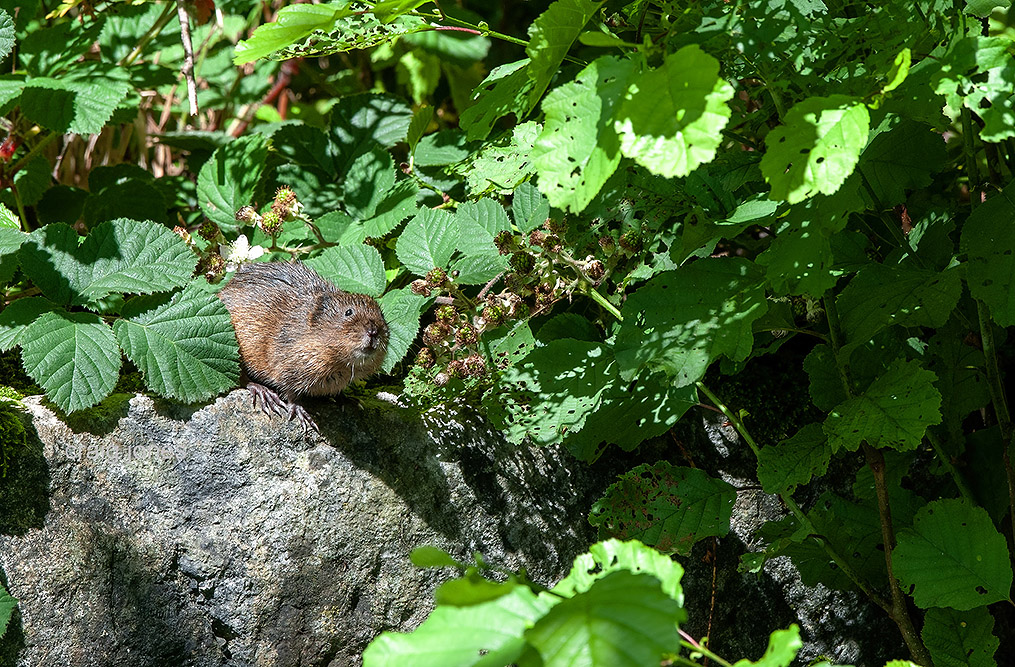
Do not destroy or alter habitat in pursuit of a photo, including traveling to and from a site.
Do not disturb or distract wildlife to get its attention or to encourage certain behaviour.
You could prevent the species from foraging, hunting or taking cover. Avoid flash photography or the intrusive, dangerous use of drones.
Do not set traps for the purposes of photography.


Don’t go into a habitat or approach wildlife without sufficient knowledge of how to act sensitively and responsibly.
Be aware of special reasons for caution or care, eg breeding season.
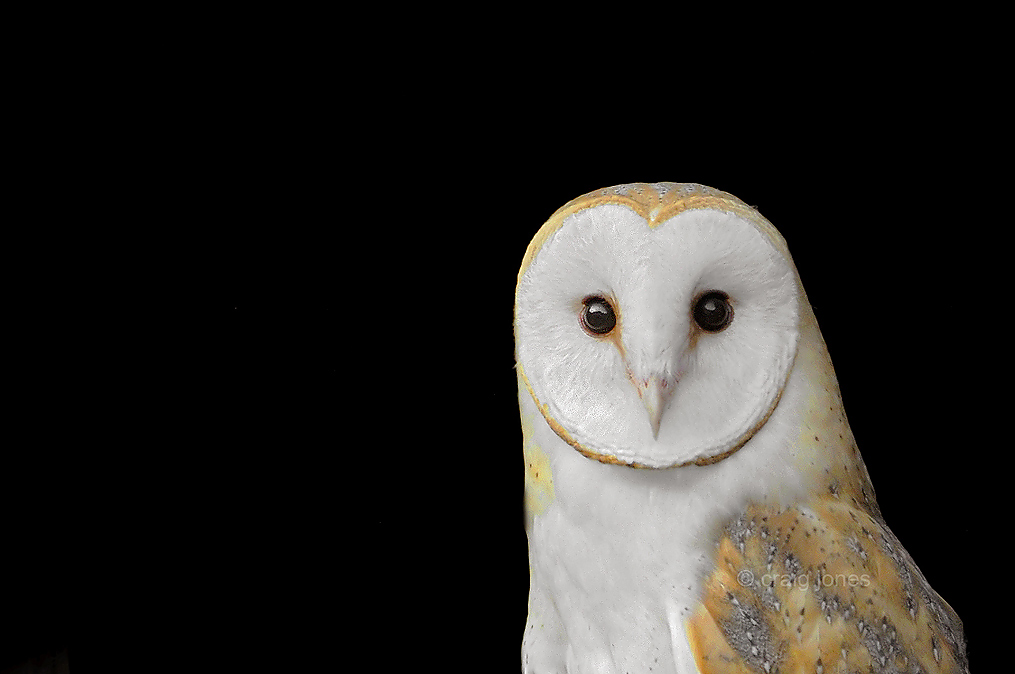
Know the signs of stress in your subject species. Check for any plant, tree, animal diseases that you must be careful not to spread.
Consider any legal protections that apply to species you are photographing (eg dormice, bats).

Follow ethical guidelines if putting food out for animals.
Consider their health and the way you may influence their natural and safe behaviour. No live bait.


Caption accurately and honestly, misleading information about the circumstances of a photo can lead to misinformation about the behaviour or location of a species.
It can lead to inappropriate practice by other photographers seeking to learn from your technique.
The use of digital manipulation to present a false impression of wildlife location or behaviour is unacceptable.

Some species may be the target of persecution, harassment or illegal hunting, and revealing the precise location could put them at risk.
Avoid giving away precise locations in the caption or photograph where doing so could put wildlife at risk.

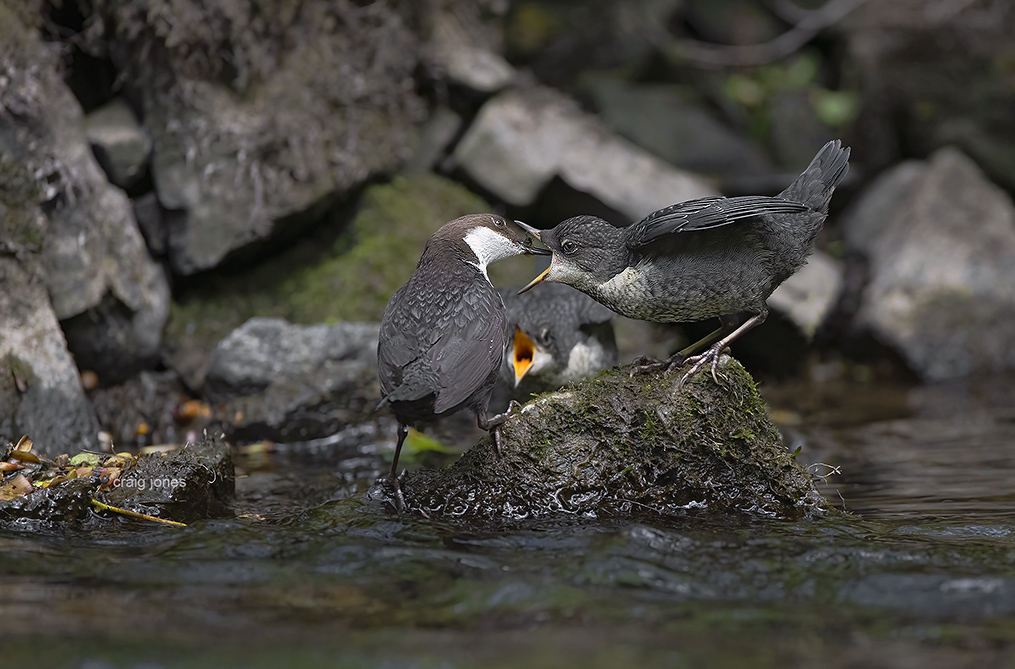
To read more about this and how I’ve always worked as a professional wildlife photographer click here to be taken to my ethics page on my website.
Put wildlife first, photograph second and it will show in your images.
Leave a Reply