With the weather in the UK still presenting wildlife with some very testing conditions I find nature always gives off her beauty whatever the weather. I will be sad to leave behind the Barn Owls that I’m currently working on. Hoping that on my return the UK wildlife won’t have had more rain and flooding to contend with. For me though rain or shine nature always shines and makes me smile whatever the weather.
I’m heading to one of Europe’s most mountainous countries, Slovakia, leading two trips for Tarta Photography. I will be photographing Brown Bears within the Carpathian Mountains so I’ll be a little quiet on my blog for the next two weeks. Really looking forward to the trip and meeting clients during this time, where I hope to bring you more on this amazing trip upon my return home.
I’ve had a few one to ones over the last several days amongst my own work, photographing Red Grouse, high up on the moors of the Peak District. Also Dippers, where some river levels have risen and the wildlife have either moved or drown, which is incredibly sad. On the days my clients booked we braved the weather reports and were treated with sunny but at times wet weather.
.
After rain there always comes wonderful and very usable light for photography so sometimes it’s just worth taking a chance, where fortune often favours the brave, and those weather fronts I like to study turn out wrong sometimes.
Some of the moors are just starting to show some colours now, in full bloom it can be just a carpet of soft purples covering vast areas, making a wonderful back drop to the grouse. I have a number of workshops during the best times, so if you’d like to join me, learn more about these iconic birds and at the same time learn fieldcraft and how best to approach these birds then click here to see these ever popular days I run.
Many thanks to my clients for your company, where the gamble paid off and everyone got some very nice images of their chosen subjects. The message here is work with what you have and the wet weather fronts can pass as quickly as they arrive, but wildlife will still have to feed to stay alive. For more information on my one to ones I run throughout the year and at the varoius locations I know well around the UK, then please click here to be taken to this page.
Dates for my talks in 2012/13 covering a wide variety of my work are filling up fast, so if your a camera club, organisation or chairty that would like to see beautiful images of wildlife, whats behind the images and my work then contact me for more details and rates, many thanks.
I’ve just updated the dates for my photo tours in 2013. I have added second dates on my Tigers of India trip as the first dates have sold out. If you’d like to visit and photograph Bengal Tigers in one of the best places in India with a backdrop of an old fort then click on this link for more details. The first ever Tigress I saw, several years back now, will be having cubs next year so again like this year my clients maybe lucky enough to see cubs alongside the Tigers there.
I have also added a new trip called Jaguars of Brazil. You can now join me on this amazing 8 day trip to Pantanal in Brazil to see the beautiful Jaguar in its wetland, woodland habitat, as well as a chance to see this amazing big cat. We will be working on the ground in Brazil with the very best guides to deliver the best opportunities for you to see and photograph Jaguars. Towards the end of the dry season as open water areas shrink, wildlife becomes more concentrated and visible. Areas in the western and northern Pantanal are the best places to see Jaguars in the wild and the chances of success on this tour are very high, click here for more details.
I also have a couple of places available for my Falklands trip next year should you wish to come with me and photograph the amazing wildlife this place has to offer, with amazing light and images everywhere. For more information on this trip then please click here to be taken to the photo tour.
In late August I’m off to Madagascar leading my 11 day photo tour photographing the amazing wildlife that’s unique to this island. I will be running the same trip next October should you wish to join us, again click here to see more information on this amazing 11 day photo tour.
In mid-September I will then be embarking on a two week trip to Sumatra on my own, photographing the Sumatran Orangutans there along with the other amazing wildlife that lives on this island. I will be working alongside a UK charity I fully support and help, SOS- Sumatra Orangutan Society, spending time camping and trekking through the forests of Sumatra in a bid to capture our closest living relative with my camera.
More news on this amazing trip on future blogs. A part of Sumatra, Tripa is in trouble at the present time and if you can help to sigh a petition to help then please click here.
I also offer One to One wildlife workshops, where I take clients to many places across the UK from dawn until dusk. Showing them everything I use in the field, along with fieldcraft, using natural light and capturing images with great impact. These days are very popular, where I enjoy helping people to understand nature, at the same time learning more about the craft of wildlife photography.
I have several projects I’ll be working on in between all of my travels, plus workshops for Calumet Photographic. Email me for further details on anything I’ve touched on or just general advice.
WWT Photography Competition 2011-2012
I have just finished judging the spring round in the WWT Martin Mere photography Competition with just the summer round to go before the overall winner of this brilliant photography competition is announced. A great standard all round and its a pleasure to be a judge, good luck to you all.
The birds, the animals, the landscapes along with the local food and drink keep drawing me back to this amazing island more and more each year. It has a magical feel and presence to it, a place I could gladly just sit and watch the world pass me by with no time limit.
I’ve just returned from a wonderful week with clients on my twice yearly photo tour called “Magic of Mull“. The Isle of Mull lies on the west coast of Scotland and has a breathtaking coastline of 300 miles. The climate is a mixture of rain and sunshine and from the moment you step onto this beautiful island the wildlife is everywhere and the scenery is stunning. Our base for our 6 day adventure was the picturesque village of Tobermory, made famous by the children’s BBC programme Balormory, with its brightly painted buildings. Our hotel is overlooking the harbour of Tobermory and facing out to Calve Island and the sound of Mull.
Mull’s climate is extremely unpredictable and at any time of year you should be prepared for a wide range of conditions. The weather during our time on the island was good and kind to use. There were days that were overcast where we had rain but on the whole the weather was good. After meeting everyone at the port of Oban, we took a short ferry ride over to Mull and then went on to our hotel that we were staying at for the week. We had coffee overlooking the harbour and headed straight out for the day.
The pattern of events for each day were consistant, ensuring that clients get the best out of their time on Mull. An Early start to get into place at one of the Otter sites to hopefully catch them as they wake and start to fish, then head back to the hotel for our breakfast at around 8am and then collect our packed lunches and head out for the day.
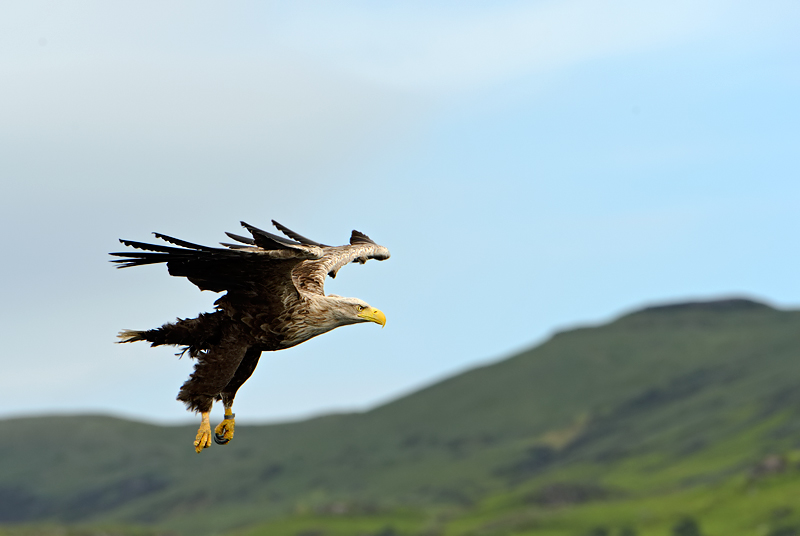
The wildlife on Mull is generally accessible with the few exceptions of specialized birds along with the rare and legally protected birds. These are not to be disturbed or approached as they are very senstive to disturbance, like the White-tailed Eagle below, which are doing really well on Mull, and so is the Golden Eagle.
When I have worked alone on Mull in the past I have stayed in one place for some time, getting a feel of the place, getting connected as I call it. But while leading a tour here for clients you have to juggle the need to see the wildlife along with the time constraints, as a lot of the wildlife can be viewed only a short distance from the roads, which for me is ok but the way in which I work is working the land so to speak and this is something I was very keen to show the group.
As a group we covered both methods of approach during our stay, where everyone enjoyed the fieldcraft tips and advice. I also demonstrated how rewarding it can be on many levels when you blend into the environment, leaving the safety of the car and try to become part of the subjects world, thinking about wind direction and movement, in readiness to take the shot if the opportunity came.
During our time on Mull I had organised two great trips on consecutive days, one was three hours watching White Tailed Sea Eagles on one of the Lochs, and the other was a full days trip to the Treshnish Isles. Due to the White tailed Eagle being so protected and looked after, close up views of these birds is almost impossible so this tip offers that chance.
Today Mull is still one of the best places in the UK to see these amazing birds of prey. After centuries of persecution these birds were wiped out, it was shot, poisoned and its eggs were taken. Rewards were offered of eight pence for anyone killing a bird and twenty shillings for destroying a nest. By 1800, Scotland had become the sea eagles only safe refuge, but even here people were turning against them. Shooting estates wanted all birds of prey destroyed and the Victorian egg collectors wanted their eggs as trophies. Labelled as domestic livestock killers, and killing many game birds, these birds were not tolerated the same as they were centuries before and so bounties began and the slow demise of this bird began at the hands of ill-informed people.
The last breeding pair of White tailed eagles in the UK was recorded on the island of Skye in 1916, and sadly the last reported lone female disappeared from her nest on Shetland in 1918 rendering the bird extinct in the UK, a truly shocking and disgusting story to even write let alone believe we did this to this bird and even today the same is happening to many birds of prey with people having the same attitude.
So after an absence of almost 70 years conservationists were finally given the go-ahead to reintroduce these amazing birds. A total of 82 birds were imported under special licence from nests in Norway. The first wil -bred chick since the extinction was hatched on Mull in 1985 and so the birth of Eagle watch in its early stages was born. One of the many people behind the eagle’s comeback is the RSPB’s David Sexton. His tireless efforts and work started back in those early days is everywhere to see when you are on Mull. I often bump into him on my many trips to Mull each year and last week was no exception. A nice man and for me has brought this bird to many people’s attention which is brilliant.
Along with the Golden Eagle its one of my favourite birds of prey and every time I see this bird my heart beats faster. The boat trip I organise for my clients on their photo tour gives them the best and safest close up view of this amazing bird, by mimicking a fishing trawler towing a small boat it sails into one pair’s territory and gulls follow us. A fish is placed out for the eagle and the engine is killed as we wait in perfect silence for the world’s fourth biggest eagle to show. Without warning this massive bird approaches the boat, circles overhead then dives for the fish, then flies back to the nest all in the matter of minutes.
The bird now has the best protection available in law. This trip lets people see these birds in the safest way possible, while maintaining complete respect for the bird. Martin the skipper of Mull Charters gives a good introduction at the beginning of the trip and explains all of the do’s and don’ts. It’s amazing to see these birds so close and every client loves it as much. I would highly recommend the trip and you will be completely blown away by the bird’s size, power and grace.
We visited the small islands of Staffa and Lunga the next day. Staffa is a beautiful, uninhabited island which is home to hundreds of seabirds and set within waters teeming with marine life. The island is best known for its magnificent columns of rock. The best place to see this is in Fingal’s Cave. The shapes in the rocks formed by the sea over time are amazing, they look like they have been made by an experienced stone mason rather than the force of mother nature.
Fingla’s cave is very impressive, as you enter the smell of excrement is very strong as nesting birds and bats litter the small ledges and over hangs as you slowly walk in using the path people have used for centuries, a truly amazing place to visit.
One of the best places in the UK to see Puffin’s, Razorbill’s, Guillemots and Seals is Lunga the second small island we visited that day. It was a small journey to this stunning little island that’s home to my favourite seabird the charismatic Puffin. We spent over two hours on this lovely little island and from the moment you scale the landing steps and head up onto the flat top of the island the Puffins are not far from you.
Their calls can be heard first before they show themselves from the burrows and vegetation hiding them away from view. We all got into place, settled and let the birds relax and over time if you sit still and don’t make too many movements the Puffins accept your presence and go about their lives around you which is wonderful to witness and watch.
Puffins are going about their lives all in close proximity of you as long as you stay still and make little or no movement, capturing those moments with your camera. Puffins are beautiful birds to watch and spend time with. Two great days and two excellent day trips. The rest of the week flew by as we all concentrated on finding the elusive Otters, that had been giving us the slip most of the week.
Along with the White-tailed Eagle, Mull is famous for another amazing bird and another favourite bird of prey of mine the Golden Eagle. These birds are often seen soaring alone in their mountain habitat and aren’t as easy to see as the White-tailed Eagles. We all saw this amazing bird soaring effortlessly then disappearing as quick as they had turned up. I captured one adult bird with the image below flying over its territory among the moody looking clouds which added the ideal backdrop to this stunning bird of prey.
As each day passed by we saw Otters as we drove, hearing the plops and slaps that they make. I showed everyone what to look for to identify Otter activity, fresh poo, mussels shells and fish bones all real clues to the presence of Otters. The more moisture and bounce to the poo lets you know just how old they are, giving you a real time idea of how long they were in that area and how old the poo is.
On the last day we were all in place and I saw a female Otter hunting in the tidal currents, I signaled one member of the group as soon as I saw this, also telling my client to let the other guys know who were scattered along the coastline. As I made my way over the wet rocks and slipping like a beginner on the TV programme-“Dancing on Ice” she carried on feeding just out of shot. I managed to capture her before she vanished.
Throughout the week the wildlife around the island was amazing and every client got some wonderful images with lots of images of subjects they’d not seen before which was great. We were all sad to leave the island on the Friday but everyone had some great memories of this magical island.
A big thank you to the entire group for your company during our time on Mull, a lot of you were repeat clients so it lovely to see you all again. We had a great laugh and I hope you’ll remember my Puffin impression for the rest of your lives. Its designed to help you in the field and know when they land around you.
Thank you Debbie at the Western isles Hotel, a beautiful hotel overlooking the sound of Mull and Tobermory, the base in which I run my Magic of Mull photo tours each year. Great atmosphere, lovely award winning food and great rooms and service. I hope I helped you all in seeing the amazing wildlife Mull has to offer, and learning more about the island while learning and showing you real and key camera skills and fieldcraft that work on the ground, many thanks and good luck to you all. For more information and next years dates on this amazing photo tour please click here many thanks.
The days just flew passed during our time in Ranthambhore, India. We settled into our routine with twice daily safaris surrounded by nature, culture and the colours of this amazing country. By now all my clients had seen and captured some amazing images of Bengal Tigers which I was over the moon with. As the host of this trip I organise and run myself with great help from my friends in India. Everyone’s wish was to see these animals at the same time and maybe capture them on camera and that’s exactly what they all did.
There are seven ‘old’ gates within the national park and twice a day we’d pass through the main gate, which is the way to one of the 5 zones that you are allocated before each trip. Each zone is around 25 km plus in size, where your jeep has to stay on a small path which takes you around the chosen zone. There is a very strict code of conduct on board eg. no shouting/loud noise and you cannot get out of the jeep, it’s all controlled really well with the Tigers welfare being paramount.
It was great to see some of the guards which I had made friends with during my many trips to this place over the last several years. They do an amazing job with limited resources keeping just over 30 Tigers safe from the ever presence of poaching. They showed me around and were very kind and helpful to my group by letting us pass through the main gate and onto our zone for that day with minimal fuss. The photo below shows the ‘chef’ as he’s known, he’s worked for 38 years in Ranthambhore and knows every inch of the place, his wisdom and experience you just couldn’t learn overnight.
I took some presents this year for them, images of Tigers for their homes. I always get out of the jeep at checkpoints to shake their hands and introduce my clients to the guards. A warm embrace and smiles all round. They all deserve respect for the job they are doing and I try to show that to them in my way, as respect is earned not given my late mum always taught me.
I only wished the many politicians and people involved with Tiger conservation around the world could see the frontline in the battle against poachers and give them more equipment and resources, because on the ground we are asking these fellows to risk their lives against a well organized band of poachers. Once these Tigers have gone the whole area falls and the Tiger will not return, very sad but money has to be channeled into helping the guards around India in keeping the Tigers alive. I was shocked and saddened by how these guys stop poachers with their limited resources.
As on so many other safaris the lady of the lake-T17 was hunting and patroling mainly in the morning. Both jeeps had some wonderful moments photographing this lovely Tigress. Its real heart in the mouth stuff though as they seem to except the small jeeps we are in but I truly don’t think they know there’s an easy meal for them inside. This is always going through your mind as you take photographs as they pass by your jeep. Nothing can ever prepare you for this, you have to witness this for it to truly make sense. I hope these images convey those special and priceless moments I took with these amazing and extremely rare Tigers, showing just how beautiful they are.
Salim my guide headed off on one such encounter and we parked up alone some distance in front of this patrolling Tigress. We could hear the distant calls of Peacocks sounding the alarm, letting the whole area know a Tiger was around, we just waited and waited until she came over the hill, paused and walked down and pass our jeep. I chose to shoot with my fisheye lens trying to convey the habitat which I love to show in my work and give the subject a sense of scale among her kingdom.
This image below captured her as she walked past our jeep and then vanished into the cover of the jungle, this was close, an experience I can see so clear in my head as I type now, but truly magical.
During one safari my clients and I witnessed a part of history, for a few minutes but what seemed like hours we were priviliged to witness something that’s been rarely spoken about in the past and even rarer to see. A male Tiger rearing his young, totally unheard of in the tiger world. Only the female tigers were known to raise the cubs, but the male Tiger known as T25 has shown that the males also do it. Wildlife experts say cubs are usually raised by their mothers and male tigers often kill cubs they come across. Officials believe there is no recorded evidence of males behaving like this.
It is common for male tigers to never even set eyes upon the cubs they father, especially when the mother is not present and many male tigers will simply see cubs as food. Their mum died on 9 February 2011 and ever since T25 has reared them and looked after them which is just an amazing story in its self but to see them on this day was magical, truly magical.
We had been in place for over an hour, waiting at a small natural drinking hole that had been refilled with the overnight storm we’d had. Then without warning we saw T25 coming from the shadows of the jungle, walking with great strength and power. The males are completely different to the females. They are shyer and very aggressive in their nature. Their physical size is alot bigger, with a rounder head and massive frame. You know when looking your witnessing a top predator with great power and presence.
We had gone through apertures, shutter speed, iso and making the adjustments to our cameras with the fading light, making sure should anything happen that we were ready. T26 a male Tiger walked down first, slowly but full of life, he sat down close to the water and began drinking fully aware we were there and he gave us a look to let us know that. An air of total confidence and control with no fear of nothing, thats when you know your king of the jungle. We watched him quietly.
We heard a few small calls as he looked around at the different noises he’d heard as he was drinking. Then from nowhere one of his cubs appeared from the forest. She stood there few a few seconds looking for reassurance it was ok to join her dad before heading down to the water to drink.
She settled alongside her father as they both drank aware of the shutter noise from our cameras. It was a moment I’ll never forget, but at the time you’re just concentrating so much on capturing the moment it really doesn’t sink in until after. He was always on guard, so to speak, and you sensed his protection of her by just seeing them together so close. The other cub never showed but both are doing very well I am told.
They drank for a few minutes before T25, the male got up and headed back into the dense jungle with his cub following.
He led the way as he’d done when first visiting the watering hole, his cub waiting behind until he went first. I managed to capture him here just looking back and giving a slight call to his cub. She then came from behind a tree and followed her father into the jungle. It was very touching to see this bond between them both played out before us, thousands of miles from home as we witnessed history in Ranthambhore one of if not the best place in India to see Bengal Tigers in the wild.
The whole week was brilliant and each evening my clients had their own best images from that day to talk through. Each year the trip seems to get better and you really have to see one of these amazing animals in the flesh to truly appreciate their beauty. With so much wildlife in Ranthambhore the photographic opportunities are everywhere. A paradise in more ways than one for a wildlife photographer.
There’s something very human like when we look into the eyes of primates. Something that touches deep inside our soles where we see so much of our own human mannerisms. I did a close up of this young black faced langur monkey sitting close to his mum. I slowly walked forward as not to disturb the young one or the mum and this was the result making best use of the side lighting to bring out detail, shape and texture to the image, another wonderful and touching moment from Ranthambhore, India.
The week there passed far to quick and before we knew it the time had come to leave Ranthambhore and head off home. I wished I could have stayed as I really love this place and its Tigers. It has a magical feel to it, an old fort taken over by nature. We headed for the airport the same way we came, packed lunches in hand as we started the journey home.
A big thank you to my clients for your company and another big thank you to Rag and Salim for your help and expert tracking and guidance with the Tigers. Many thanks to the staff at the Ranthambhore Bagh where we stay, great food, warm welcome and a great base for this trip.
I will be releasing a few more limited edition prints very soon to go along with the 3 others I currently have, where 50% of the profits go to a charity I work with to help rise money for Tigers around the world; 21 Century Tiger. Where they spend 100% of your money in helping Tigers around the world, these animals are in real danger of extinction and need as much help as possible so that future children get the chance to see this amazing animal in the wild.
Next years dates and information is up on on my website here, so if you wish to see these amazing images and capture some beautiful images working alongside myself and two of the best guides in India then contact me for more information.
I’ll be giving my top tips on fieldcraft in July’s issue of Practical Photography, which is out the second week of June. Fieldcraft when working with wild animals with their natural fear of man, away from per-planned perches, baited set ups and captive animals is the most important tool in any wildlife photographers toolbox.
Capturing real images as seen on the ground and not changed by the hand of man is what wildlife photography means to me as a professional, its the way I work when among nature. I go through what works on the ground and how you can almost think like wildlife and become part of the landscape. All built on respect for your subject and wildlife around you, this is the foundation to my work today so I hope you enjoy the article.
And just before I go there are still a few places left on my Summer Tide workshop in Norfolk in conjunction with Calumet Photographic, for more information and bookings please click on this link. or click on their seminars page for Manchester and Drummond street branches with more workshops and talks planned very soon. For an idea of what you may see on this day then click on a previous interview I did here with Practical Photography covering my passion for this amazing event.
I have just come back from an amazing trip to Ranthambhore, in the magical country of India. I was there with my clients on my Tigers of India photo tour, where we spent 7 days hoping to see and photograph one of nature’s most beautiful of animals, the Bengal Tiger. It’s the third year in a row I’ve been lucky enough to visit this amazing place and see an animal that is one of nature’s truly beautiful creations.
Upon arriving in Delhi and having collected our baggage we passed through customs with no problems, then headed to the arrivals gate to look for our driver, it’s at that point the noise and heat of India hits you. Ahead of us was a 373km drive to Ranthambhore Bagh, passing through the real India with its locals and small villages, making best use of what they have and where everyone has a smile for you. The people who have the least have the most in the form of happiness, a lesson there for the western world I always say.
The Ranthambhore National Park, which is a part of the much larger Ranthambhore Tiger Reserve, a Project Tiger reserve, lies in the Sawai Madhopur district of eastern Rajasthan. It is right now the only forest reserve in Rajasthan state and in the entire Aravali hill ranges where tigers exist. The Chambal River forms a natural boundary of the Park towards the east, and on the eastern shore of Chambal lies the central Indian state of Madhya Pradesh, this Project tiger reserve spans over 1334 sq. km of area, of which 282 sq. km is the Ranthambhore National Park.
Upon arriving at the Ranthambhore bagh, a lovely, warm welcome is always assured and after a quick freshen up we are served our lunch and we relax and unpack in readiness for the two safaris each day that begin the following morning. Never knowing whats in store and if you’ll see a Tiger.
The routine in the morning was an early start at 05.00am, the staff would make you an Indian coffee which was the perfect start to the day. The two jeeps I hire along with my guides arrive at 05.40 and we all set off to the park. I always tell clients to relax when trying to find nature as I have found if you put pressure on yourself then the nature just doesn’t show up. The mornings there are beautiful, lovely sunrises, and the noises of the place are so different to that of the UK wildlife, so many different calls its just an amazing place. The light is just magical in Ranthambhore and I cannot explain just how beautiful the mornings there are.
There is also so much bird life in Ranthambhore, so many different species most of which I’ve only seen in books. Stunning, beautiful calls! This place offers so much on every front. Alot of the animals and birds will let you know long before you realise a Tiger is around with their calls and sudden change of behaviour. Like this Jackal below having seen and smelt a Tiger hidden away, he froze letting us know something wasn’t right.
The pitch and sound filling the whole area as you wait to see if and where the Tiger is. Then try to guess where he or she might show, then you have a few seconds to react, compose your camera and get the best angle you can for you photograph.
On every visit to Ranthambhore I have worked with two great guides, Ragh and Salim Ali. Salim has worked on many programmes filming Tigers in India and more so Ranthambhore. One of the best was Broken Tail, where he and followed a Tiger called Broken Tail for over a year. Working with the best guys on the ground always helps I believe and over the years now a lot of respect and trust has built up with these guys that help my clients see these amazing animals.
At the last count their was as few as 1700 Tigers left in India. In Ranthambhore there is as little as 38 now covering a massive area which is split into 5 zones. Each day you travel in one zone in the morning safari and then another zone in the afternoon safari, while sticking to a strict code of conduct. You cannot drive off the track your on, and you just pray that you get lucky and see a Tiger on that particular day.
Hearing those words from your guide “Tiger” you go into autopilot as you try to get the right angle for your clients in order to capture that fleeting glimpse of one if not the most beautiful creatures on this earth-the Tiger. Going through the planned settings and angles hoping and praying the Tiger stays still long enough for you to capture that moment.
You just don’t know where or when they will show up and this only adds to the excitement for me. My fieldcraft is very strong but its always amazing to see how Salim and Ragh read the tracks and tell tale signs of whats around and whats gone before us which are all key to tracking and finding your subject whichever country you are in.
On our first full morning safari, after our previous day of no sightings, we were photographing some Kingfisher’s when this Tigress came from our left. Thousands of miles from home on a lone track among the beautiful jungles of Ranthambhore a lone female Tigress roams freely at dawn. The lady of the lake T17, I know her well, as several years ago when I made this journey alone, she was the first Tiger I’d ever seen in the wild. That moment rendering me speechless as I witnessed Mother Nature’s most beautiful of creations. So fitting for all my clients that she was the first Tiger encounter they’d had too. She is pregnant now, with only months to go before the birth. I’d like to think she came to let me know she’s managed to become pregnant as there had been many unsuccessful attempts beforehand.
The power and grace of this animal is hard to put into words, beauty that’s truly amazing. I have seen many beautiful animals in my life from childhood to the present day but the Tiger really is beauty personified. We had an amazing close encounter with her on this particular morning. She came from nowhere and walked her patch for around 20 minutes, scent marking, smelling the air and checking for other Tigers that may have entered her area. What a welcome for my clients, witnessing this amazing Tigress so close.
Both jeeps had captured some amazing moments with her during that day, making everyone’s wish of seeing a wild Tiger come true very early on into the trip. Over the course of the week we were treated to some amazing views of this animal, but there were also times when we saw nothing which made those encounters just that bit more special upon reflection back at our lodge.
Each morning we’d all wait for our jeeps. I’d go with one jeep in the morning safari then the other jeep in the afternoon. I’d be looking for angles, light and Tigers alongside my guide as we drove around looking for any clues that would tell us Tigers where around. I’m always on hand to offer help and support to my clients on all my trips, making sense of the smaller things in order for them to capture some amazing images to take home with them.
Once we got into our routine the time flied by, which always saddens me as I never want to leave this place once the week is up, such is the beauty and magic of the place. It was great to see all the clients having some wonderful moments with the Tigers that live in this area. You are driven around and without warning you have seconds to compose yourself then start taking photos. Getting the right angle onto the Tiger is so important and our guides are brilliant at this.
T17 who we’d seen on our first mornings safari often traveled around at dawn and rewarded my group with some wonderful encounters throughout the week. The following images where taken of her hunting for food in the morning light. Such amazing behaviour to see and capture, just like you see at home when you watch a domestic cat trying to hunt birds on a lawned area.
We always visit the fort at Ranthambhore during the weeks photo tour, it’s a magic place taking you back to a bygone era. The Ranthambhore fort is believed to have been built in 944 A.D. by a Chauhan ruler. It is strategically located on the border of Rajasthan and the surrounding forests were used as an outer defence to the advantage of the fort, making it one of the strongest forts of Northern India.
The fort has many buildings inside of which only a few have survived the ravages of wars and time. Among the remaining ruins, the two pavilions, Badal Mahal and Hammirs court and parts of the royal palace gave you an idea of the old grandeur.
During the periods of waiting and hoping to find Tigers we all managed to photograph some of the stunning birds that live in Ranthambhore, some of my favourite I’ve included below. Starting with the handsome White-throated Kingfisher, a stunningly colourful bird that I captured in some nice light, and cleaning, composing the subject in his natural habitat.
The Black Drongo, with his beautiful fork tail and jet black plumage.
The stunningly beautiful Indian Golden Oriole, a shy bird which was really hard to photograph because any noise from the jeep and off they would fly. Here I got lucky and composed him among the branches singing away in the late afternoon sun.
And the Indian Peafowl or Peacock with its amazing colours and plumage.
The trip had been amazing for all my clients so far and with more Tigers to photograph and wildlife the time was flying past. In my next blog I’ll post some amazing images I managed to get along with one of my jeeps that witnessed the lone male Tiger looking after his two cubs as their mother had died. We had a brief encounter with one cub and her father drinking. This event has made the global news as it’s the first time it’s been reported happening with Tigers. You can view the story here and I’ll post some images and part two of the blog soon.
I’d like to take this opportunity to thank all my clients who came with me to India, thank you for your company everyone we had a really good time and many laughs along the way. I’m really glad you all saw and witnessed this beautiful animal in the wild and capturing some wonderful images. Many thanks to my guides, Salim and Rag who’s help and expertise really helped everyone in finding, photographing and seeing this amazing animal. The dates for my 2013 trip are now up on my website, click here to view them, many thanks.
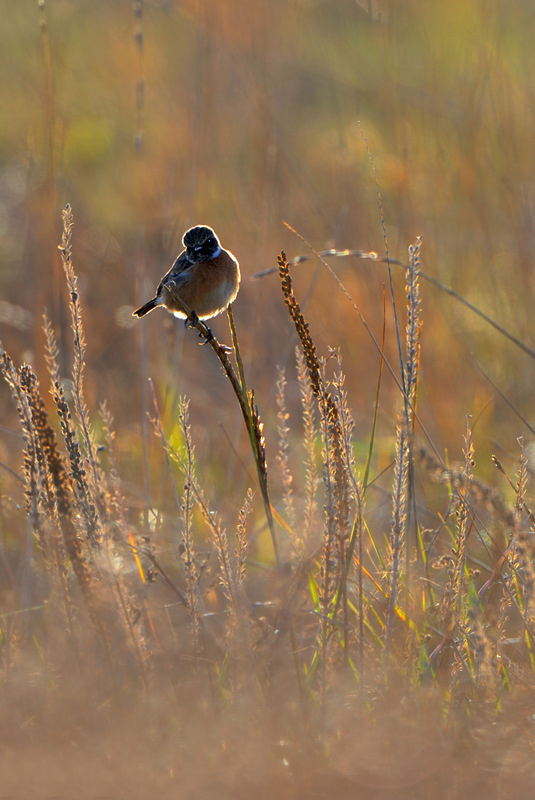
Back lighting can give your subject a strong outline and add a great atmosphere to your image with a great deal of impact at the same time. Allow where possible you’re subject to be the main feature of your photograph with the use of simple composition with the sun directly behind it. The best times for back lighting to be at its best is dawn and dusk when the sun is low in the sky, creating the warm colours and glow from this wonderful time of the day. If the shape of the subject is easily recognizable through its strong outline it will make for a beautiful photo.
The correct exposure for backlit shots can be tricky so you will have to experiment with darker and lighter exposures in order to get the desired effect and overall feel and mood of the image you want. Use single selected focus point and spot metering where you can take a reading from the subject’s body and set the exposure in camera. Dealing with the ever unpredictable subject of wildlife though the subject may not allow you the time to take a reading for the perfect exposure. And always try to keep the affect of lens flare down by keeping out of direct sunshine as much as possible when taking the photo.
So in closing back lighting can transform an image, adding a beautiful atmosphere within the photograph with loads of impact to the main subject. Great care must always be shown not to point the lens directly at the setting or rising sun as it will damage your eyes. The lens must be clean and free from smears and dust, and sometimes the effects of flare can add a lot to the image so don’t throw the images away until you get them home and reviewed them on your computer. I hope that has helped you a little in understanding back lighting in wildlife photography, if you have an queries about anything I have mentioned then drop me a line here and I’d be pleased to answer them.
I will be presenting my presentation; Dawn to Dusk at Calumet’s spring open days in Manchester and London over the next couple of weeks. Click here for details and dates. I will be available all day to answer any questions or general help or advice you may need for your own wildlife photography. I also run one and two days seminars in conjunction with Calumet, for more details click on their seminars page.
Spring time for me is the best time of year. Wildlife is everywhere and bird song fills the air, even more so over the last several days, waking up to several inches of thick snow on the moors of the Peak District. I thought this maybe an April fools too far. During the last ten days or so I have enjoyed the very warm temperatures of spring whilst in Norfolk and other places around the UK running my one to ones and also my own project work.
Great Crested Grebes, Brown Hares, Barn owls and many more species all settling down, starting to pair up and begin a family at this wonderful time of year. I had a one to one in Norfolk and really enjoyed showing my client around. We captured some wonderful images of Barn Owls, Brown Hares and waders during the day and Ben wrote a lovely blog post with some great images which can be seen by clicking here
“You couldn’t make it up if you tried” first came to mind, as I had two one to ones booked in to photograph Red Grouse on the moors, the heavens opened and inches of snow fell. Some roads in and out of Buxton where closed so it was really touch and go on whether the days went ahead. I made contact with both clients as a blanket of thick snow in early April really is unheard of. Also very worrying for the wildlife sitting on eggs and trying to breed/mate while the weather was plunged into freezing, wintery conditions.
Both of my Red Grouse one to one clients where great sports and both days went ahead as planned. The first day was a little tougher due to the snow being at its highest from the previous day’s downfall. We had to walk in places knee deep in snow as we ascended in darkness to where the grouse live and play out their lives among the higher regions of the Peak District.
Walking through thick snow with heavy kit bags does get you warm. Full credit to Steve though who knuckled down and was rewarded for his efforts with some amazing encounters of both male and female Red Grouse, the words “you only get out what you put in” ringing around the place as we sat down and drank our cups of tea some 600 meters up above sea level.
I always tell clients that the best way to see and in turn take your photographs is just sit and watch, read and listen to nature, she will tell you what’s around and what is happening. Never force anything and never go with a shopping list of shots you wish to capture. Adopt this approach along with care and respect for your subject and you get some wonderful moments into a wild animals life. On both days both clients did just so and had some lovely encounters with this iconic moorland bird that is so at home within this sometimes unforgiving habitat.
Rival males posing to each other and fighting over their females, trying their luck. We even witnessed a grouse having a snow bath. Cleaning his feathers among the deep snow. Animal behaviour is amazing to see and capture and I showed some key techniques and fieldcraft which enabled both clients to read a little more into what was happening, in turn resulting in lovely moments where we came close to these birds on so many occasions, peering into their world through their eyes. This always has a deep and long lasting impact on me, making that contact with nature is priceless.
The weather on both days started well but became foggy on the second day but again the grouse came close and carried on with their lives around us which was magic and true, real wildlife photography for me. Blending in, using what’s around you and just watching and working the land. Thank you Steve,Nigel also Ben for your company over the last several days and I wish you well in your photography.
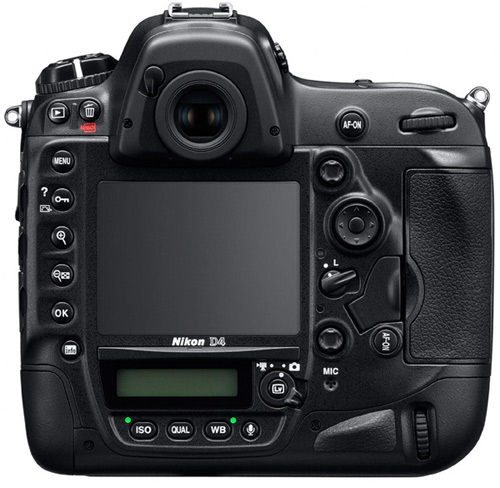
I’ve now had the Nikon D4 for just over a week and in that short time I’ve used the camera photographing my own work and also on one to ones, and I have to say the camera has performed very well. Having had the Nikon D3s now for two years, it was always going to be a hard act to follow. The improved ISO and added megapixels are nice, but what’s even better is the improved ergonomics, controls, speed, autofocus, metering, illuminated buttons, processing -EXPEED 3, and video capabilities with the full HD-SLR which are all improved from the D3S.
The overall shape of the camera has not changed much from the D3s, however, the controls and ergonomics are a bit different. The Nikon D4 now provides better control when the camera is used in the portrait orientation which is great if you shoot in this orientation a lot like me. The joystick and auto focus control is closer and easier to manage now when held vertically, with the D3s you had to really reach over with your thumb to get to the joystick. The Nikon D4 is about 5% lighter than the previous D3s and placed alongside each other this difference is clear to see.
Nikon has improved the auto focus system drastically. It can now operate in much lower light; this is a huge advantage, especially for wildlife and where I am depending on my auto focus system in low-light situations to capture what I’m witnessing. The D4’s auto focus has faster accuracy over the D3s from my first findings, performing brilliantly in poor or testing light. The image below of two Canada Geese taking off in the first rays off dawn light demonstrates this perfectly in very testing light conditions.
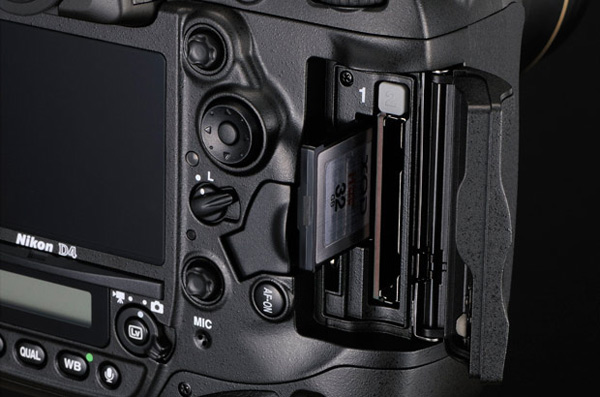
Clean, smooth and quick is how I’d best describe the auto focusing on the D4. The buffer is very big too compared to the D3S and starts to fill up while shooting in 14 bit Tiffs around 90-100 images when auto focus is engaged. But when using the new Sony XQD memory cards they fill back up very quickly and your able to carry on shooting. I have never been one to blast and hope for the best. I prefer to let a couple of shots go, recompose and see, always watching what the camera noise does to the subject, as I hate making the wildlife jump and scaring it into next week. The quiet mode as in the D3S has been retained on the D4 and seems more improved.
The D4 has two slots, one for the XQD card and one for the Compact Flash which is something I don’t like. For me they should have chosen two XQD cards as I believe this card from what you read is the future. Having two card readers is a pain, once your home you have to use two card readers to download your images which could have been averted by just picking one card for the camera only. Downloading is quick and I use Nikon software all the way- Nikon transfer, View NX then I do my processing in Nikon Capture NX2. All of which have a new version to accommodate the D4.
From my first images at higher ISO’s there does seem a more improved image from the D4, more so at the higher ranges. I don’t really push the ISO past 4000 alot of the time as I want to try and retain as much quality in the image as possible. But even at 4000 the performance of the D4 is better than the D3S at the same time there’s not a massive difference and I wouldn’t be selling my D3S as that camera has not missed a heart beat in over two years and has earned its brilliant reputation. The two images below from my Great Crested Grebes project were taken with my D3S clearly showing the quality of this camera.
The following images of Red Grouse were taken at high ISO’s, the sun’s light had started to warm the moors here, making conditions for auto focus tricky normally but here again the D4’s AF system locked on in tough and challenging light.
The D4 all round is a vast improvement on the D3S camera, it wont make you a better photographer though but what it will do is give you more options in various testing conditions that you may find yourself among while shooting wildlife. I am still learning about this brilliant camera as in just over a week does not do the camera justice. From what I have seen on the back of the camera and later on my large screen the improvements are good, very good. The auto focusing is one of its biggest pluses from the D3S and I cannot praise Nikon enough for the improvement they’ve done here. The video is good quality and I will be doing a separate blog post on that soon.
I am still learning about the D4 each time I take it out, but from these early stages all I can say is its “just brilliant”. The Internet will be a wash with reviews about this camera by more qualified people than myself all calming many different things. All I can say is make your own mind up like I have, the camera is a marked improvement on the D3S I know I have shot with the aforementioned camera for two years and still do. This post is not meant to be a whats right or wrong, its just about how this camera has worked for me on the ground, in the theatre of wildlife a place I live and breath.
Thank you to my clients over the last week or so who have seen me test out my new camera, really nice to meet you all. Steven from Ipswich sent me some lovely words below that can be seen on my testimonials page –
“Hi Craig I would just like to thank you for my two days one to one with you, it was fantastic on both days and I did really enjoy all of it. I love the way you had so much respect for the wildlife and how you put all this into your photography skills in which you was so kind to pass on to me. It has give me a better insight into the way I need to work , approach and take the final shot simply just by watching and listening to what was around me, like when you told me about the geese were going to take off before they even beat their wings, brilliant. Once again a big thanks and I would highly recommend anyone for your one to one it was agreat pleasure. Regards Steven”
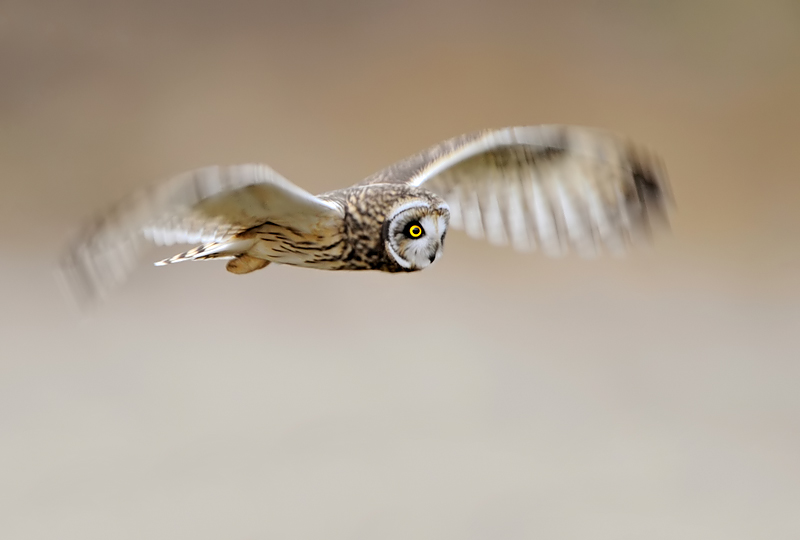
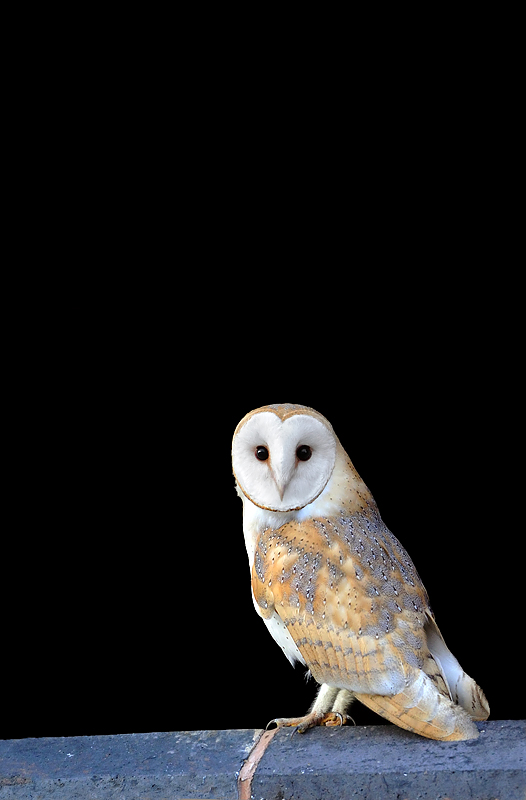
Before I go I would like to thank Adam from my press agent for getting my Owl images out into the papers over the last week. Many months of hard work were put into these images, capturing moments I’ll never forget. Barn Owls flying towards me, Short-eared Owls flying feet away from where I was hidden, diving for food right in front of me, all just amazing moments. You can see the story and how much work and the lengths I went to here in the Daily Mail and also here in the Sun. I also made the Telegraph newspaper all the same week so again many thanks Adam as it’s always very nice when you see your work in print.
Also in April’s issue of Nikon’s N Photo magazine my Dartford Warbler image made their “In pictures :Inspirational Nikon photography from around the world” section. Click here to see the article and see one of my favourite photos of a male Dartford Warbler singing in the morning light, stunning birds.
Its an amazing time of year now with Spring well and truly awoken and the start of British Summer time at the weekend. Make sure you enjoy her beauty and capture it with your cameras, good luck.



 .
.