Wildlife First Photo Second
Putting wildlife first before your photograph has never been so important. Below are some helpful tips and guidance when you go out with your camera into nature.

Read full post
Putting wildlife first before your photograph has never been so important. Below are some helpful tips and guidance when you go out with your camera into nature.
Working with wildlife you often get little time to compose your subject as you wish. You have to work with what nature gives you and this makes you a better photographer I firmly believe.

The heaths and moors of the Peak District are an eerie exposure of peat covered moorland sitting about 600m above sea level. Large wind carved eroded rocks sit among vast plateaus and rock formations supporting a healthy population of wild Red Deer.


One of my favourite summer visitors to our shores is the Redstart. The word redstart means red tail from old english steort.


Each time you enter nature you always learn something new, whether it be about the subjects behaviour or fieldcraft technic. You must always put the subjects welfare before any images you take. Remembering you are a guest in their world.

The wild Red Deer in the Peak District National Park are completely wild and aren’t easy to get near, unlike the Deer in the various parks around the UK. Working alongside them. watching and learning about their behaviour is absolutely crucial.


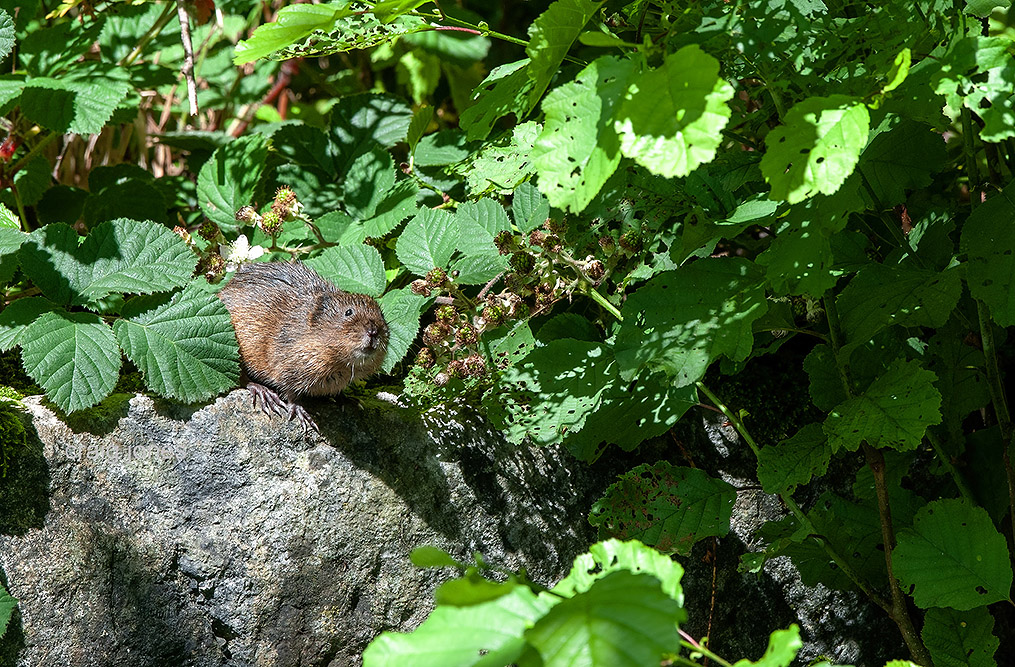
Water voles are facing a battle for survival, with few remaining in our waterways. PTES need your help to restore the balance and protect the species before its too late.


In the April issue of Bird Watching magazine there is an excellent article about how birdwatchers and photographers interact inside purpose built hides that are designed to get you closer to wildlife without disturbing it.
