Entries Tagged ‘Nature’:

Puffin Behaviour

Filed in In the Press, Workshops on May.09, 2011

Puffins have to be one of those birds you never tier of seeing, their enduring faces made up like a clown have a place in everyone’s hearts.  They have been a firm favourite of mine from childhood where I’d go on organised field trips from school and the YOC –  Young Ornithologists Club, setting off on what seemed a real adventure at the time, to places were they live and nest during those few short months that they are a shore.

Animal behaviour has always fascinated me, I still have my first book covering the subject which I was brought as a Christmas present, such was my interest- The Animal World by Maurice & Robert Burton.  I was not the greatest reader at that age but I was glued to this book, as getting close to nature and watching it was a major thing I did when growing up. I can remember those first encounters with the Puffins I had, armed with a massive pair of binoculars and my faithful bird guide called “Birds” – by John Andrews, a book that forms part of my profile images, matching the birds to the photographs was something I found great pleasure in.

By learning to get close to wildlife without disturbing the life of the animal, almost forgetting the outside world, and becoming part of the animal I was getting close to or watching, I could understand the animal better, gaining many skills by observing their behaviours at the same time giving the subject complete respect which allowed me a private window into their personal and private lives.

Skomer is a firm favourite of mine and having already spent several days there this year, the clowns of the sea are back in great numbers once more returning back to their old burrows.  Their colourful beak and orange legs catch your eye upon first seeing these comical birds that seem very clumsy on land.  The island is riddled with holes that are home to tens of thousands of Rabbits, Manx shearwaters and Puffins.  What is truly amazing about this beautiful bird is that the birds live all winter out in the Atlantic ocean, out of sight of land, but every spring they return ashore to breed and raise their young before heading back out to sea in late July, August, so behind the gentle looking faces hides a tough and hardy bird that has to be respected for the way it lives its unique life.

Their affection towards each other is beautiful to witness, bonding, kissing bills all affirming their bond with each other. I watched as several males would gather,calling and stretching their necks in an display towards the female also warning other males. Parading around,showing off and watching each other,waiting for the first movement from an opposing male, seconds later two males would be locked together,twisting and turning, forcing the other to submit his advances towards the female. I managed to capture that behaviour by watching, looking and feeling the tensoin grow between these males.

Within my own wildlife photography I spend alot of time watching nature, listening and watching for signs,trying to build a picture of whats happening the best way I can.  The art of Photography for me is a means to capturing those special encounters I have worked hard to achieve or see , which in turn make for a more well balanced image and account of that subjects behaviour and mannerisms within the wild.

So while I was away in Texel a few of my images made the press and different papers either online in a physical capacity last week, the Sun and the Scottish Sun,the Independent and the Mail. I received many emails on my Blackberry and it seemed to be going crazy while on vibrate mode as I was in Texel, people wishing me will and letting me know that the Puffins had made the papers. 

All of which was really good.  Its great to see your work in print so that people from all backgrounds can see the beautiful world of nature that’s everywhere and in this case it was the ‘clowns of the seas’ as I call them- Puffins.  A few images have even made the picture library of Getty images which is one of the best picture libraries in the world, so big thank you to all the guys involved in making this happen.

The image of two adult Puffins “kissing” or bonding has also made it to the June issue of BBC Wildlife Magazine.  A full page which looks amazing, so thank you guys. I run one to one days or Spectacular Skomer trips up until the end of July where you can photograph and witness these amazing birds, for more info click on the links many thanks.


Read full post

A Taste of Texel

Filed in Places Of Interest, Wildlife, Workshops on May.05, 2011

The bird paradise of Texel in Holland became our home over the last four days during our annual yearly photo trip there.  This picturesque island on the north tip of the Dutch mainland is a heaven for wildlife, at around 25 miles long and seven miles wide the island is the largest of the Wadden Islands.

It’s a haven and paradise for thousands of waders and waterfowl during the spring/summer months where they choose this picturesque island to play out their courtship routines and breed, feed their young all quiet close to you, presenting some of this best chances to photograph Avocets, Spoonbills, Caspian and Black Terns, Oystercatchers, Kentish Plovers, and many more waders.

When we arrived after the over night ferry relaxed and far less stressed than if you travel by plane, we headed to a site on the mainland first where a family of Foxes are living wild among a woodland environment, twinned with paths and humans walking around.  Even through the foxes were wild it was plain to see they had become use to human actively, and after my own ongoing Fox project at home which has become so testing at times, it was refreshing to see these wonderful animals up so close, going about their lives around us, very endearing moment for me and the group.

We all shared some lovely moments before heading to Texel and settling into our lovely hotel accommodation on the island, where all your meals are of the highest standard, comfortable place in which to use as our base during our time on Texel.  In the morning we all heading out at around 05.30am for the morning light and to visit the places where the Avocets feed and other waders. The weather during the whole trip was warm, sunny but windy, this hampered a few of the birds we all had on our wish lists, but all in all many wonderful moments were all captured by the group during their time on Texel and the mainland.

Amazing light on offer each morning but that wind just made the going a little tough for the wildlife, right place right time is one of those key elements in wildlife photography and again we all managed to be there while witnessing a very beautiful piece of behaviour from a pair of Oystercatchers in the morning light. These birds by their very nature are very loud, their call travelling for miles, a single, high pitched note this can be your first indication that these birds are around.

We watched having been drawn to a certain pair due to the vocal calls, they were following each other in straight lines, mimicking each others movement then setting off again traveling behind each other always calling, how wonderful nature is.

Then in a flash the male would jump up onto of the female, calling constantly, steadying himself by flapping his wings really fast to keep himself up right, wonderful to see this action that really only lasted seconds before the male jumped off and started cleaning himself up.

We spent quite a lot of time photographing the Common, Arctic, Little, Sandwich Tern colonies that Texel supports in good numbers, most if not all are inland, dotted around this small islands pools, with the ever present noise and smell’s these busy little communities give off.  For me the Tern family is a beautiful bird, on one hand really hardy, tough, on the other so gentle and elegant with such a graceful appearance.  I watched as one parent sat on the nest as the other flew in and passed over the sandeels they had just caught, all while hovering for a split second, so beautiful to watch, I was able to capture the sequence with the image below.

The birds are so fast and fly in, you only have a few seconds and trust me there were hundreds of  attempts that ended in nothing but blurred images, but you only need one image to convey the moment. Great displays of affection between the birds were witnessed showing real care for each other which was very nice to see.

Among the vast colonies of Terns there were good numbers of a bird often over looked in the presence of other birds, the Black headed Gull, strikingly beautiful in their summer plumage.  They are a common colonial breeder, nesting among reedbeds and marshland, their dark brown hood often mistaken for black is stunning in the light and with matching leg and beak colour they are a match for most colourful birds.  The noise from these birds though can be earsplitting a real loud call they use to communicate with each often.

I captured them building their nest, the male would fly in and drop off the twigs to the female who chose to start their home on a grassy embankment covered in small colourful flowers. Great fun to watch and again above their noise really comical to watch.

The routine most days was the same an early start to see the island awaken,capture those beautiful encounters with our cameras, then head back for our wonderful self service hot and cold breakfast, then head back out for the whole day. Driving to the different sites and always on the look out for a shot, in this case it was the handsome Spoonbill. A large bird with wonderful markings on their bills and plumage, we managed to capture this guy feeding and having a good clean up, disembarking the vehicle slowly and moving very quietly and slowly to get a close up of this wonderful looking bird that’s very rare in the UK.

Here I captured him having a good old stretch or was he exercising in the morning who knows but a funny image where I was laughing as I took it as nature does afford you so much fun at times.  After three amazing days on the island of Texel we caught the early morning ferry on the Monday and like last years trip we headed to the mainland to photograph the stunning and beautiful Black Necked Grebe. On the way stopping off at another Grebe site, this time the Great Crested Grebe a site Jeroen knew really well.

Another stunning bird from the same family, here she had chicks with her perched on her back. Mum would swim around while dad would fish to feed them. Then unannounced the male would turn up with a fish in his beak and offer this up to the young chicks on mum’s back.  I watched as the young chick would reach round to take the fish, sometimes falling into the water, in the end though the parents where amazingly attentive to their offspring.

And here I under exposed a lot to get this effect, where the Grebe had swam into a darker area with the light still shining on her, making for a lovely image and a style I really look to produce in my work.

We travelled for about two hours until we reached the area in which the Black Necked grebes nest, where you can get some beautiful close up’s of this striking bird. We found a small spot,where we lay down and watched the Grebes feed at some distance away,over time they came closer into land, all the time feeding and on some occasions displaying to each other.

And the light was really changeable, so here I tired a hi key image over exposing to gain this effect in camera, adding a different feel to the image.

The group had some lovely encounters with these amazing birds before moving onto another site then heading to the port for our over night ferry crossing to Harwich. It was a really good trip, lovely clients all of which were great company so thank you all. I hope you got alot from the trip and I hope to have helped you in some regard with wildlife photography, how you can capture a subject within its environment, fieldcraft etc.  Thanks to Jeroen Stel for your time and effort in this amazing photo trip. Next years trip dates are up and for those that wanted to book this year but could’nt join us because we were full I’ll send you the dates on my monthly newsletter. For more info click here .


Read full post

Peak District Favourites

Filed in Workshops on Apr.10, 2011

Over the last week I have had a great time with clients on Watervoles and Dipper one to ones and workshops in an area I have visited and known for a great deal of time, the Peak District, in the county of Derbyshire.  Time severed knowledge and history of an area and the subject is key to successful wildlife photography, workshops and one to ones for me.  That emotional attachment I have with these subjects helps in learning people about their lives and behaviours, which greatly benefit the clients images and also having a better understanding of a subject lets you read key actions or behaviours in a subject that you could later use in tracking or locating them.


This area of the country has such a diverse array of wildlife and habitats and some of the best walking routes in the country, its a wildlife heaven and one I don’t live that far from and always enjoy each visit whether it be with clients or alone watching the same species of wildlife.  I’ve walked this area for many years, tracing the same paths for a long time.  Finding your own subjects, getting to know them and their characters and behaviours is something that is really important within wildlife photography, where each image you take will have a meaning and be real in turn developing key fieldcraft skills and subject knowledge.

Watervoles are the largest British vole and are often mistaken for a brown rat.  The watervole can easily be distinguished by their blunt, rounded nose and ears which are almost hidden in their fur.  Watervoles are legally protected in Britain and their numbers continue to plummet, the main causes for their decline include destruction of bank side vegetation, pollution, and the introduction of the American Mink, an aggressive predator. Watervoles are my favourite mammal with their enduring character and cuteness, making them a lovely subject to photograph.

The Dippers, Red Grouse and Watervoles workshops are very personal to me and I share that passion and love for these subjects during these trips with clients, where their popularity never stops amazing me.  And there can be no better feeling for a wildlife photographer when you show a client an area and the species shows up, that’s magic as they say in show business.

The Watervole population has taken a bit of a fall nationally and within some of the areas I visit in the Peak District numbers are down from previous years, experts all have their own reasons but I feel its a mixture of cold winters, water pollution and the dreaded Mink that’s the cause for the delcine in this most adorable subject.  We got into place as the sun was coming up and the place was really quiet at first, then the sounds of the birds singing in the morning is enough for me, such a wonderful and real spring time feel when you hear all the different bird calls first thing in the morning.

Then without warning a tiny ball of brown fur turns up, moves quickly then pauses, motionless on the riverbank sniffing the air for clues to whats around.  The Watervoles sense of smell and hearing is very good, their eye sight lets them down. While we watched one Watervole he went up the bank and started to sniff the air, remaining still at the same time to cut down on him giving away his position through movement, watching a wild animal can give you so much pleasure at the same time help you to understand and learn more about them which will help you in the future to local and photograph your chosen subject.

I filmed this Watervole to show how animals smell the air and smell your presence.  Here this little fellow was sniffing the air, their key behaviour, not to sure what he has smelt or heard but wonderful to witness and a great example why wind direction is so important in getting close to animals.  You can learn so much by simple encounters like this many people would just ignore or pass by as within mammals more so then birds smell and wind direction is so important to learn about otherwise the animal will have gone before you ever knew they were around.

On this amazing morning with the back drop of the beautiful dawn corus there was no wind so in turn the Watervole struggled to smell anything and local what it was he may have caught wind of.  He later dropped into the water another classic sign to listen out for when you walk the riverbank,their trademark “plop”.  The second short film below captured him having a good clean up and a scratch before heading up for his breakfast, really amazing and funny to watch, pure priceless humour.

Dipper’s forage for small prey in and around the fast-flowing streams and rivers of this area, walking down and beneath the water until partly or wholly submerged, this behaviour offers some brilliant opportunities to photograph and capture this unique moment and all over the years I have visited the several sites I know within the Peak District I never ever tyer of seeing these master’s of the river as I’ve always called them.  Bobbing or dipping constantly on rocks, which I’ve always viewed as the bird ‘Curtseying’ for you.  The Dippers I have been watching are feeding their first brood of chicks at the moment and they are doing well with a possible second brood on the cards as this is normally the case with Dippers as they are early nestor’s.

Its been a very busy week and thank you to my clients for your time and look forward to seeing you again.  Knowledge is key and the best advice I can give for improved photographs of wild animals is to watch, look and listen to wildlife when you are in the countryside and this will learn you so so much, then all you have to do is press the shutter button and capture that moment you witness.  Its an amazing time of year now to be among nature, with so much life and different behaviours to see that are only displayed at this time of year, with beautiful light and longer days its a magical season and one of my firm favourites within natures calender, good luck.


Read full post

Save The Tiger

Filed in Articles on Sep.08, 2010


Some very disturbing news in regard to the Bengal Tigers living in India from this weeks article in the  Economic Times, which paints a bad picture of the current issue of the Tiger population in India.  Its no surprise that one of the key issues is human greed where the dollar is the driving force behind this and the many more problems to do with the destruction and persecution of wildlife not just here in India, but all around the globe.  From my own view its really upsetting to see any animal in distress or in danger of becoming extinct, with the prospect that the next generation of children may only ever see some species of wildlife in zoo’s and wildlife parks becoming ever closer. 

Where  these places may become the vital link in keeping the species going in the future, but for me there is no mistaking a wild animal which differ greatly from their counterparts in these captive environments which aren’t the best places for wildlife. Apart from captivity, it is estimated that around the world there are as many as 7,000 Tigers in private ownership, with the USA having the highest count, where the numbers kept as a pet or status symbol far exceed the wild population of Tigers. Which is truly a shameful and shocking situation for the Tiger.

Economic Times,India

It is not a hidden fact that millions of dollars are being poured into the conservation of the striped wonders of India but the situation remains precarious. With fewer than 1400 left in the wild, India is going through its worst tiger crises. Human greed and selfishness has been one of the many cause of the plight of tigers in India and the irony is that as per recent trends, the present crisis has opened up a new dimension to the greed with corporates using the cause as a PR and branding tool hiding behind the garb of conservation.

If human greed and selfishness is one of the prime reasons for the condition of tigers in India today and if greed and selfishness is a character trait that humans understand, it would be worthwhile to save the tiger for our own selfish interest. The role of the tiger in the ecosystem is indeed quite interesting and it goes without saying that the tiger is the perfect indicator of the health of a forest. The tiger protects the forests of our country by maintaining an equilibrium that is important for the survival of its prey (deer, monkeys, boars etc.) and the vegetation.
And since the survival of the forests are crucial for the thousands of rivers, a life source for millions of people in India, that originate and flow through them, it makes the saving of tigers all the more important.
However, the economics of tiger conservation is quite interesting. Let’s consider Corbett as an example. With over 70 private properties in and around the Corbett Tiger Reserve in Uttrakhand, wildlife tourism has become an ever-flourishing business model generating revenues for property owners, travel agents and some great employment opportunities for locals. The local youth now look up to careers like naturalists, guide cum drivers of safari vehicles as a lot of private resorts are in need of such people.

According to the Tiger Task Force data released in 2005/06, a total of 1.29 million people visited tiger reserves in 2004/05 which approximates to 58456tourist per tiger reserve every year and the number is continuously growing year on year. The nominal gate charges of Rs 25-50 gives revenue in crores to most of the popular national parks.

Corbett alone experienced a tourist inflow of over two lakhs in the last season. With a total ceiling of 600 visitors per day, Corbett can officially have 1.6 lakh tourists during the eight-month season. The numbers invariably overshoot this limit. Tourism is rampant in other popular national parks like Bandhavgarh, Kanha, Ranthambore etc. and the tiger, without doubt, is a magnet that pulls the majority of the lot.
Be it an ordinary weekend walk-in tourist, or a season wildlife researcher or photographer, the tiger is the binding force that draws visitors from across the globe.
As per Aditya Singh, wildlife conservationist and tiger expert from Ranthambore “The tourism zone of the Ranthambhore which has around 20 tigers, contributes over Rs 1 billion, directly and indirectly to the Indian economy, every year. Over 40 per cent of this amount never reaches anyone in Ranthambhore and barely three per cent actually goes to the park,” adds Aditya.

Aditya Singh who I had the pleasure to meet,stay with and work with in my recent visit to Ranthambhore works hard in the local area and nationally to highlight the Tigers issues, with a brilliant background in the field of environment and natural habitat & wildlife protection. My Photo-Tour; Tigers Of India next year is based at his lodge/hotel which he owns and runs,where we will have the best environment to see this amazing animal.  Where I have an acute interest in conservation and the need to ensure the long-term protection of species and habitats are such an important part of my life. By staying at and visiting the national park and wildlife regions in this Photo-Tour, we will be actively contributing and supporting a beautiful and locally-owned lodge/hotel, employing local people, local guides and other staff who have grown up in this region. 

With my preference for local naturalists rather than imported guides, being the key to a successful trip. Ensuring employment opportunities to local communities, so important in developing the local areas, the perfect recipe for the survival of the Bengal Tiger. This kind of wildlife tourism supports rural communities in impoverished areas and supports them in their ability to preserve their natural and wildlife heritage for their future generations. This forms the foundation to this tour and a step in the right direction of helping the local population to see a living Tiger can help the local area with jobs,income etc.

There are a couple of projects I have donated some of my 2010 Year Of The Tiger collection to, as returning back from India this year I wanted to help this amazing animal that I’d wanted to see from childhood, so by giving these image in support of the Tiger I hope to do something to help its current plight.

The two projects are 21st Century Tiger-21st Century Tiger is a wild tiger conservation partnership between the Zoological Society of London and Global Tiger Patrol which raises funds for tiger conservation projects in the field.  Established in 1997, it has since become one of the top seven tiger funding agencies globally and has contributed over £1.4 million to over 50 tiger projects in seven countries worldwide.

And Tigers– Over the coming months danki will be working with media, the public, Tiger charities and key political figures, pushing for meaningful action to be taken to save Tigers before its to late.. I have donated two images– Lady Of The Lake,  and Machali Standing Proud with only 100 of these limited editions framed prints available where money goes in both cases to helping wild Tigers.

There are so many animals in danger around the world where I would like to give my time and expertise but sadly there aren’t enough hours in the day. By doing something though I do feel I am doing good with the images I’ve captured,showing others the beauty of the animal, in this case the Tiger,hoping to inspire them to get outdoors and take great photos themselves, in turn helping with all wildlife here and abroad.


Read full post

Spring Tide At Norfolk

Filed in Events, Photography Tips on Aug.12, 2010

There a few places in the UK where you can experience the sights and sounds of nature any better than the North Norfolk coast during the Spring Tides that start in earnest from this month onwards and for me herald the onset of the Autumn and Winter months,where the seasons change from the Spring/Summer into the Autumn and Winter.

Having just returned for a wonderful One To One day with Mike Breedon from South Yorkshire,where it was his wish to learn more about wildlife photography after contacting me through my website,the skills I use,expert fieldcraft,lens techniques,light,camera settings and so fourth, the venue Mike chose was one of the Spring Tide/Barn Owl days I run.

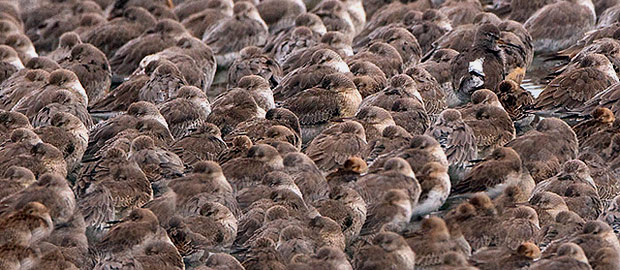
The weather was amazing throughout the day,with the morning light being one of the best I’ve seen in years of coming to this beautiful place Snettisham is,with its moon-like landscape,vast open spaces,where thousands of birds fly past you,feet away,its just an amazing place to be during these Spring Tides they are now beginning to happen on this beautiful stretch of the North Norfolk coastline.

During a Spring Tide most if not all of the estuary is consumed by the sea and submerged underwater.Out on the mud and sand flats you’ll see thousands of wading birds feeding at low tide,as the tides rises,the mud and sand flats disappear underwater and the birds are suddenly forced to move closer into shore by the incoming sea.They then take off,and fly in vast and awesome flocks towards you on the beech at Snettisham,a place that provides a safe refuge in which to rest until the falling tide allows them back onto the tidal flats.

Some of the birds from Geese,Redshanks,Oystercatchers and Grey Plovers are wonderful to watch in flight as the fly overhead escaping the oncoming tide,but for sheer size and show the smaller waders,such as Dunlin,Knots really steel the show for me.They perform for the gathering public that make the early start to witness one of natures most amazing spectacles.These smaller waders gather in great ,dense packs and lines,almost like bee swarms,rising,falling,twisting and turning all in perfect,rhythmic sweeps and stalls,before pouring into the roost site like falling hailstones.

Once they have landed they seem like they are not quite happy,un-decided its safe from birds of prey that circle the sky on the lookout for an easy breakfast.So up they come and do it all again,twisting and turning in the sky,until, once again they land almost in the same or close to where they were in the first place.When the birds are in the sky they are almost as one,one minute dark,the next silvery white,turning their backs to you,then their pale undersides in a show of coordination that’s second to none.I have never seen two birds make contact,making this site a truly magical event to witness in nature.

I have a few more dates free between now and December so should you wish to book or just found out a little more on these dates,my One To Ones,Workshops and how I run them then please send me an email here or call me on the number provided

Mike came away from the day with some great best practises I feel,where I was able to help him to understand the concept of capturing wild animals within their natural environments,in turn showing the general public where these birds,animals live,feed and breed and how they conduct their lives within the habitats around us.

Mike sent me his thoughts on the day-

Looking at my own images compared to other professional and amateur wildlife photographers I thought I needed a push to get to the next stage in order to improve in all areas of photography, field craft, and composition and general wildlife photography skills. I decided the best way would be to go to a total stranger who would hopefully recognise my faults and shortfalls and then not be afraid to show me where I was going wrong. I was fortunate to find Craig’s website which was easy to follow, looked clean, tidy and well organised and very professional as well as indicating that the type of One to One day he was offering matched all my requirements. I was not disappointed, I found Craig to match his website, easy to get on with, very informative, very professional and passionate about all aspects of wild life in its own environment, willing to offer advice and teach field craft skills in such a manner that made it all fit together to make the day good value for money. Professionalism was evident right the way through the long day even down to the standard of the packed lunch, a great day Craig and one which completely fit my requirements. Now all I have to do is try to put all that information and the practices into action. Now then, what did Craig say about composition.
Regards
,Mike Breedon, South Yorkshire

The importance of simple composition,giving the images room to ‘Breath’ and the most important tool in the box of being a wildlife photographer, which is fieldcraft,approaching subjects without causing them distress,using the cover available to break up your shape and silhouette where the wildlife will see you before you know it.

Using simply techniques to establish the wind direction,reading tracks,helping you to see whats around you and many more things I know and teach on these day(s) all major factors in getting close to wild animals.Which I have mastered in over 30 years of love and passion for wildlife alongside my expert fieldcraft skills from my military background,giving the client the very best in wildlife photography on all the events I run.

All my One To Ones,Photo-Tours,Workshops are run along the same lines,with my great passion for nature being one of the key elements in showing and teaching people how to have a contact with nature,which is all around them,by watching,listening,hearing nature,which in turns builds a picture of whats happening around you at that time.The camera skills I show are the same ones that I use and that have improved my own wildlife photography.

I do this in many ways,one of which is to show the client(s) how I use my own camera,illustrating the processes at first hand,giving an insite into which and what settings I use,showing techniques in camera,composing the image in different ways and showing the clients the ideas I have etc.I feel this is a very powerful learning tool for people that attend my workshops.

I hope that has helped you all to see how passionate I am about everything within nature, and what nature means to me,any questions then please don’t hesitate to contact me.A big thank you to all those of you that have emailed me wishing me luck in my first Birdfair next week.Those of you that are going please drop by Marquee 6 to say hello to my wife and I,where you will see a selection of some of my work in framed,mounted or canvas format for sale,alongside many other iteams.

Should you wish to ask for any advice on wildlife photography etc then  drop by and ask I’ll be more than happy to help you.Also please give as much money as you can in their Auction this year as this helps projects,Birdlife all around the world.I have a limited Edition Framed Tiger print I have given to help,and its lot number 83 so please bid as much as you can to help the great cause’s Birdfair help each year Many thanks.


Read full post

Art And Craft Fair-Update

Filed in Exhibitions on Jul.05, 2010

I have just finished my two day display at the Pavilion Gardens,Buxton,Derbyshire where the event for me was a great success.Meeting people and showing the work I do,the trips,Workshops and One To Ones is a real passion for me as it gives my images life as each one has a name and a reason I took the shot,where the passion of wildlife is ingrained in all of my work I do from teaching to taking images.

People commented on the images and the main topic was the originality of my work and origin of the images where all where taken in nature,encapsulating the subject in their natural environment,with simply composition.With the key to wildlife photography being nature and an understanding of it way before the camera comes into the picture,where fieldcraft is one of the most important tools in getting close to you chosen subject, and an honesty in the image is key for me where the word ‘Wildlife’ should truly mean its a moment captured, as seen in nature at the time by the photographer,’placing a frame around something you have seen in nature to show others of the beauty around us’

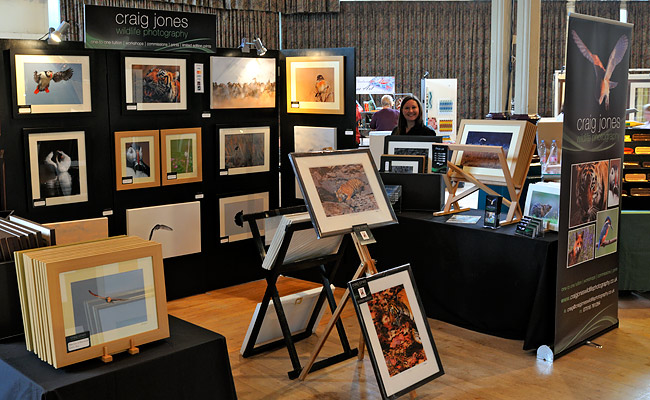
CJWP Stand

The photo above is of my stand with the key colours following on from my website design,with the black and green swish going through the middle as this depicts my interest in nature that has always ran through me from a very young age.My Tiger images did really well and I am sending my first cheque off to 21 Century Tiger this week with some of the profits of the sale of my Limited Edition Tiger prints,where 50% of the profits from each image are going to helping wild Tigers survive around the world.My professional printed Gift Vouchers sold really well also,for birthdays,and nice presents for loved ones where they can be exchanged for any products on my website,most where brought as gifts for my One To Ones.

CJWP Stand

It was a real team effort with my wife;Vanessa working alongside me,with her 16 years experience in customer service’s making the two days go just the bit more smoother with her beautiful smile and professional input,thank you Vanessa

CJWP


Has now got full Chip And Pin facilities available,where its a very convenient and easy way of paying for items, where it is fully protected.All our products can be paided for using this method, examples-deposits and full payments on my Photo Tours (Africa,Tigers, etc),payment for Prints/Canvas alongside my Pay-Pal account that all of my orders come through.By offering this facility we have made is a lot easier for customers to purchase our products over the telephone just like you do from a shop/mail order.Where a full receipt is sent to you.

Thank to all the really nice people we both met over the two days there, a great venue and location to be in and I look forward to meeting the people who booked onto one of my One To One days or Workshops.With another display at Buxton planned for the end of July then the Birdfair in August it promises to be a busy time for us alongside what I loving doing and that’s capturing nature with my camera.

High-Tide At Norfolk

I have updated my One To One days showing the places I go to throughout the 12 months of the year, where they are timed to coincide with the changing seasons and natures own calendar to get the very best opportunities to photograph nature at a time of your choice.

My Hide-Tide days at Norfolk which start in late July have become really popular and these run from mid July all the way through until March of next year where you see thousands of waders moving closer to shore,forming beautiful patterns in the sky as the sea comes in and consumes the coastline.For more details of these days and booking on one then send me an email on my Contact form

High-Tide At Norfolk

High-Tide At Norfolk

These days are priced at £150.00 each and include a packed lunch/hot and cold drink.Any questions or further details then please contact me.Thank you all again for the sales,and bookings we got,I hope you have years of enjoyment from the frame photos/unframed images you brought and I was sad to see them go in a funny way.All the best.

CJWP


Read full post

Just Press The Button

Filed in Articles on Jul.01, 2010

I’ve just returned from two wonderful One To One days in Norfolk that a client from Scotland:Bobby had booked with me.I’m always happy when people make the effort in booking onto one of my trips or One To Ones,where in Bobby’s case traveling some distance I took care of everything, the hotel booking,food,packed lunch the lot so no matter how far the client has to travel to attend one of my trips I pull all the stops out,enabling them to ‘Just Press The Button’ and enjoy and capture the chosen wildlife they have asked to photograph and learn more about.

I find the task of meeting a stranger in the early hours of a new day not a problem as I do really like helping people to take better images,where I teach it all from expert fieldcraft,crafted over many years of being at one with nature right through to the camera settings,pressing home all the time that wildlife photography is for everyone,where good images can be obtained with effort and patience.My passion for nature ever present and I show the beauty of whats around us all,where I share my skills and information  from the moment someone attends my trips/One To One days,so when they go home they do so in the knowledge they have learned in parts, the skills,setting,knowledge of nature that I know and use and over time with practise and patience their work will improve as mine has done.

Barn Owl

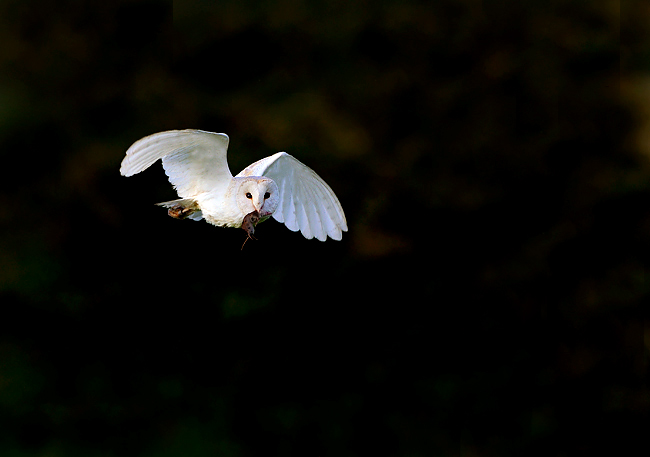
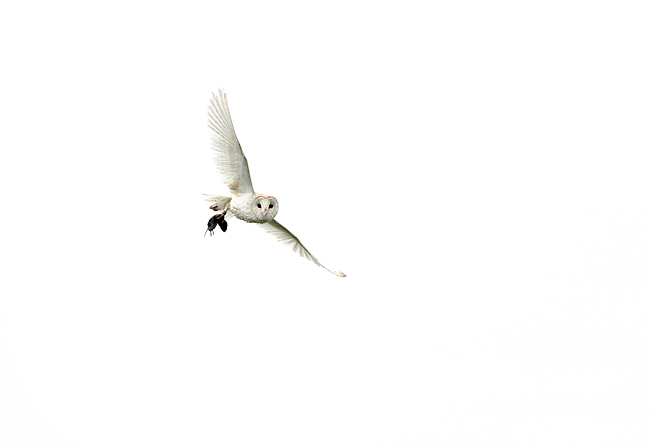
The key target when I am heading east from my Staffordshire home to Norfolk is the beautiful Barn Owl-‘The Ghost’ as call them as you can be waiting for some time,then from know where this white bird appears,almost like a ghost,perfectly silent in flight,going about its business,quartering the fields on the look out for rodents and small voles,briefly looking up at you with its ‘Disc-Like’ face,giving you a split second look at their beautiful faces.My preference has always been to get into place before the light comes up,using camouflaged clothing,and place yourself in nature, where by watching,listening and observing what is happening around you you can start buildling a picture of whats happening around and over time this for me is the best tool to learn with regard wildlife photography and one I always press home on any workshops/trips I run.

The weather in Norfolk was’nt great,but on the first night we where afforded a beautiful sunset,where I was dreaming the Barn Owl would fly past,but some dreams are just to big and will always remain just that,dreams.The colour from the sunset turned the whole place a red/orange colour,it was just amazing to watch with no wind you could here a pin drop,just the noise of the waves breaking the perfect silence.

Sunset

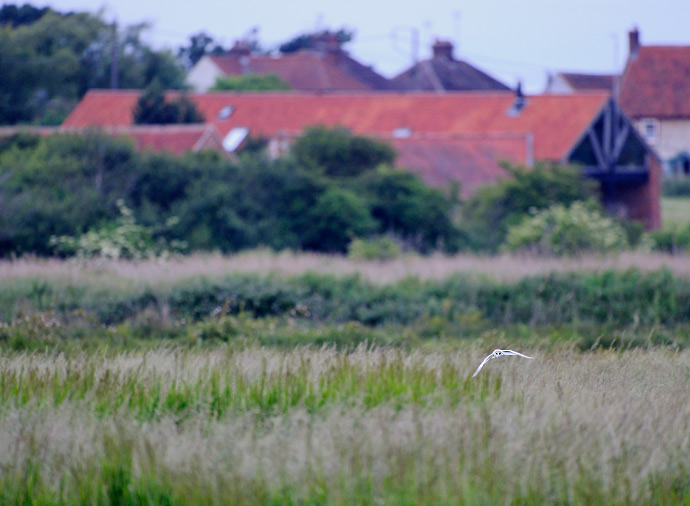
Bobby managed some great shots and also some wide-angled landscape image,where there is always an image to be had even in the absence of wildlife.The two days went to quick,with only the images on my hard drive now to remind me of my latest trip to Norfolk.I tired to capture the Barn Owl within the farmland habitat in which it share’s its life alongside humans,where there is the close contact between these two and where the Barn Owl seems to be thriving with good numbers of these birds all over Norfolk

Barn Owl

Barn Owl

Barn Owl

For me the Barn Owl never stops thrilling me with its presence,it is a really popular bird within the general public, when you catch one flying around on its quest for food it is just amazing to watch this master at work.This year I have witnessed them feeding in pouring rain,something I reported on in an early blog and behaviour I’ve never seen before.With the recent cold spell at the beginning of the year,one of the coldest in over 50 years, the Barn Owl struggled to feed itself and in some areas numbers have been down,but the real damage of this spell of weather won’t be truly known for some time yet.

I have released a Limited Edition Barn Owl image,with only 100 prints available.Where I had observed this male Barn Owl for sometime during our recent cold spell, I watched as he hunted over snow-covered ground. Here he is captured stopping and hovering over prey, just short of where I was laying down on the freezing ground. I could here his wings flapping during the brief time he hovered then moved on. To celebrate that beautiful moment in nature alongside my own love for Barn Owls I have brought out this Print.Where you can buy with or without a frame by clicking here and scroll down

Barn Owl

A lot of my work and prints can be viewed this weekend as I have a display at the Pavilion Gardens,Buxton,Derbyshire.and I’m just making the final adjustments to my stand and choosing the images I will display and sell to the public.Its great to see my work in print as to often its just left on the computer or used at a much reduced Jpeg size,where the detail cannot be truly seen.So if you are in the area this weekend please pop in to say hello and if I can be of any help,or questions on wildlife photography etc than please ask.

CJWP


Read full post

Roe Deer Workshop

Filed in Places Of Interest, Workshops on Jun.13, 2010

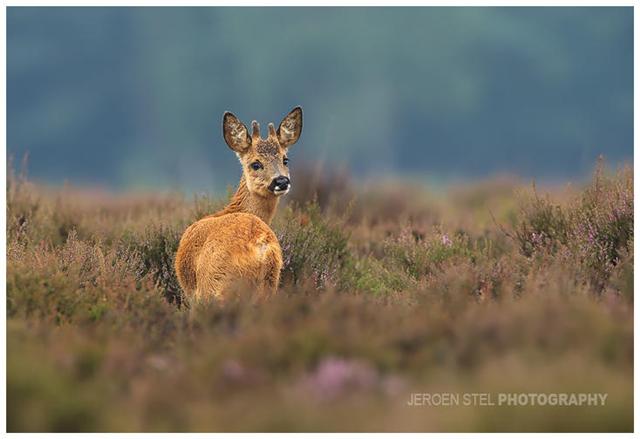
This Roe Deer workshop is being run by Jeroen Stel, alongside myself and it will be held in a heather moorland area in the center of the Netherlands from 23rd July until late evening of the 25rd July. Within this reserve there are around 60-80 Roe Deer which can be approached on foot up to around 10-20 meters where Jeroen has spent many,many years photographing these beautiful animals. There is also a corn field where we will be spending some time in and with good fieldcraft,which we will teach and show you, we will be able to get as close as 8-10 meters for some stunning cose up portraits of these creatures..

Roe Deer

Roe Deer

The workshop will coincide with the annual Roe deer rut so that’s perfect timing!
There is a lovely buffet restaurant nearby where we will be having our diners and lunch .We will be leaving the UK  early on the 23 July Traveling by Euro-Star then driving to meet up with Jeroen .The cost includes all travel costs.It promises to be a brilliant trip,with amazing encounters with this shy and elusive deer

Roe Deer

The cost per Person is;

£650.00 on a shared basis/Twin Bed, Single Supplement is available at an extra cost.
Cost Includes: Accommodation, Breakfast, Evening Meal, All Transport, Use Of Hides.
Cost Excludes: Alcohol/soft drinks and Sundry Items.

www.craigjoneswildlifephotography.co.uk in conjunction with www.jeroenstel.com

Roe Deer

So if you would like to photograph these animals and learn from two Wildlife photographers with a great passion and knowledge of nature then send me an email  or contact Jeroen Stel for more details on this amazing trip we have planned,Thank you.

Roe Deer

CJWP


Read full post