Photography Blog

Spotlight Sumatra-A Rollercoaster of Emotions

Filed in Events, Places Of Interest, Wildlife on Oct.06, 2012

My two week adventure, two years in the planning to the Indonesian island of Sumatra has now ended and I’ve had a wonderful trip.  A real rollercoaster of a journey both physical and emotional for me. The scale of the issues in Sumatra overwhelmed me from the moment I touched down until the time I left this island.  Too read about them is one thing but to be there on the ground and see them for myself is another.  I’ve had unprecedented access to the wonderful and tough work SOS/OIC staff are doing out in Sumatra during my time there.

To view this slideshow at full size then please click here

There are only couple of charities out there doing amazing work and I am convinced that without the pressure from these people on the ground in Sumatra alot more Orangutans and forest would have vanished by now. It’s to all of them I give thanks and also Helen from SOS who has helped me to get out there and work alongside the teams. A trip I will never forget and it’s been an honor for me as a person to see these truly beautiful animals we share so much of our DNA with. I only hope the world can act and save them before its too late.

I truly love wildlife that’s why I capture their beauty with my camera. I have seen things during my time in Sumatra that have upset and angered me, and my only way to help these voiceless animals is to show the world my images depicting what’s happening out there. I trekked 20km a day, I’ve climbed the rainforest trees, I’ve slept rough and washed in rainwater to be close to these amazing animals. I wanted to capture their beauty, their spirit and help them reach a wider audience through the wonderful people that are helping to keep them alive out there and around the world.  My work will give them a voice, and in turn I truly hope their voices will be heard.

I have witnessed first hand the burning of land.  The day before I left Sumatra I was taken to an area of primary forest inside the national park that has been cut down and burned.  A westerner like myself, with a camera at such a sensitive site, could have meant trouble for me, should I have been compromised but it was my choice and my decision to see this place so I can show what is happening.  A very, very moving experience for me, I couldn’t speak as I asked the person with me to take this image of a 300 year old tree just lying on the ground, plants upside down still clinging to the tree.

It’s easy to blame the palm oil but for me the blame lays with the government there, as they don’t protect the national parks and continue to grant logging licenses.  They allow the vile palm plantations to grow and increase, destroying the rainforests. Never in all my life have I seen anything like this, I was moved to tears and all I wanted to do is help and go back into the jungles to see these guys.  I’ve lived and slept rough, washed with rainwater, climbed up trees on ropes to gain a level viewpoint on them, joining the Orangutans in their world on their terms.  I’ve sweated in the intense heat and humidity to photograph these amazing animals.

Sumatran Orangutans are afforded the highest protection in law, these species are classified as critically endangered by the world conservation union – IUCN, yet they are still killed, kidnapped, poached and shot at, trapped and hurt each day in Sumatra. They are in the way, their home of protected park is being eroded around the edges with illegal logging each week and the Indonesian government does nothing to protect them or their homes.

Orangutans are only found on the islands of Borneo and Sumatra. Their forest homes are encircled by the illegal logging and palm oil plantations. They are killed by farmers and poachers, while their babies are kidnapped and sold on the black market to become someone’s pet or trophy. Some of the Orangutans get saved and have a second chance to return to freedom.

Unlike the other great apes such as Gorillas and Chimpanzees, Orangutans are solitary animals. They live a peaceful life, moving through the jungles looking for food which mainly consists of fruit, young leaves and seeds, sometimes insects and termites. They are arboreal species which means they rarely come down to the ground from the safety of the trees. It’s not until you see, watch and witness them that you begin to see and realise it’s like watching yourself in a mirror. Their behaviours and the enduring characters are the spitting image of us.

This is where my amazing journey begins and over the next several weeks I will show you whats happening out there through my images, and will go through the adventures I had during my time in Sumatra.

After a long flight to Madan, the capital of Sumatra, I was met by Panut the top guy on the ground and founder of OIC, who has worked in Sumatran Orangutan conservation for over a decade. He took me to the head office in Medan and I met some of the team that would be accompanying me during my time there.  I received a very warm welcome and had my first taste of the humidity in those first few hours which I learned later always hovers at around 70-80%. The easiest way for me to explain just how humid it was is to go run a bath, leave the room and then after ten minutes go back and open the door and that temperature is what it’s like in Sumatra, very hot and your clothes become soaking wet within minutes.

While meeting the team and enjoying my first cup of Sumatran coffee which is something the island is famous for. I had my first glimpse on this trip of a Sumatran Orangutan.  It wasn’t what I was expecting and brought me to earth with a bang. The skeleton remains of a Sumatran Orangutan, all neatly packed into a box. It had formed evidence into a case that was never proved. The remains were exhumed from a village where locals claimed it had been accidentally shot with an air rifle and had been buried five years previously. It was found by the Human Orangutan Conflict Response Unit ( HOCRU) during one of their field surveys. The pellet can be seen behind the left eye and as I looked at the bones I just couldn’t help but think what a shocking and undignified end to this Orangutans life.

Soon after I said my goodbyes to the team at the office, I then headed off to my first location in the foothills of the Gunung Leuser National Park. After several hours of driving we reached Darmas house. He’s an amazing naturalist that has lived his whole life in this area. His knowledge and expertise would help me see these amazing Orangutans over the next several days which Darma had planned for me.  I stayed in a simple hut surrounded by his crops of rice and other produce he grew to feed his family.

I couldn’t sleep that first night, the excitement was overwhelming. Hearing different noises and strange goings on around me with the wildlife, as I unpacked and got my gear and equipment ready for the mornings trek. What seemed liked ages was only a few hours as I woke at dawn, the sun bathing the tiny hut I was sleeping in with the warmth from its rays.

I had my first view of the landscape and it was amazing. To my front I had one of the active volcanoes on the island, a small trail of smoke just filling out from its brim. To my right I had the Gunung Leuser National Park, home to around six thousand Sumatran Orangutans and covering some one million hectares of land in size. The GLNP takes its name from the towering mountain of Mount Leuser.

This park together with Bukit Barisan Selaten and Kerinci Seblat National Parks form the tropical rainforest heritage of Sumatra UNESCO World Heritage Site. These areas are a rich, complex environment with a delicately balanced network of wildlife and plant life. The GLNP is the core of many endangered species remaining habitat, including the Sumatran Tiger, Sumatran Rhinoceros, Sumatran Elephant and the critically endangered Sumatran Orangutans.

We headed to the park that first morning, Darma got our permit and then we were inside one of the best rainforests habitat on the planet. Our plan was to trek and find Orangutans within this massive place.  We also had Osman with us too,  a trained climber carrying all the ropes and other equipment needed, which SOS had hired for me to help me to climb the trees.  I wanted to try and capture the Orangutans on their terms giving me a feel for the way they live and not the other way around. The photograph below is of Darma looking for Orangutans.

During those two days I did manage to climb several trees, getting level with many Orangutans within this amazing place.  All the time the heat and humidity was tough and my clothes were always soaked especially my shirts, as seen in this image that Darma took of me.  I was photographing my first sighting during this trip, a female called Pesek.  It was worth every single ounce of sweat and graft.

I managed to get level with her and a few others with my wide angled lens to show more of this amazing primary forest that they live amongst. Ever so often she would make a sound by kissing her lips together to communicate with her baby.  I managed to get a few clean images of him as the vegetation was so dense most of the time and the angle in which I was shooting up was often not enough. His name is Wati and he is the son of Pesek.  I have captured him here looking down at me and who knows what he was thinking here. To watch these animals is like looking into the mirror as they are so much like us, only 4% DNA separates them from us.

A few moments after these images were taken she took her baby deeper into the rainforest and out of view. We carried on walking deeper into the heart of this breathtaking rainforest. The noise and the smells all triggering my senses as I watched for any movements. Often we’d come across some of the largest trees in the world, bursting out from the forest and pointing directly up to the sun. The size of these amazing living specimens was unbelievable.

I wanted to climb this one but we didn’t have enough rope, which was shame.  In the shadow of these majestic trees there were tiny, beautifully coloured flowers. Completely dwarfed but still growing in this amazing and diverse habitat.  Their patterns, shapes and colours all amazingly beautiful in their own right, some attracting other wildlife. Its such an amazing ecosystem you can see how everything fits and works alongside each other in the interest of survival.

As we carried on trekking deeper into this amazing place we came across another Sumatra Orangutan, Darma told me her name was Sumu and she’s 38. She was rescued many years ago, chained up all day as she was kept as a pet.  It’s a form of status to have one of these as a pet in Sumatra. She now lives free in Gunung Lesuer National Park, and is one of the lucky ones. She trusts people again now after her shocking start in life, as time as heeled the wounds of how she was treated as a pet. She has been given a second chance through the hard working of the guys on the ground in Sumatra.

She had a baby with her and was just watching and playing with the little one. It was like watching a mum and her baby back home, so beautiful and real, I just couldn’t put it into words. I just sat down and watched the marvellous and wonderful power of a mothers bond towards their child. all played out before me. Sometimes in nature things dont need any introductions, no explanations. A cold shiver came over me as I just sat and watched something so powerful, so gentle and so caring unfold amongst one of the most special places on the planet. Capturing those moments with my camera is what wildlife photography means to me.

My first day within the Gunung Leuser National Park came to an end and the light went so quickly inside the jungle.  I just sat down for a few minutes and looked through a few images as I wanted to relive what I’d seen that day. Too often with wildlife photography you capture something and then something else comes up. Giving you no real time to see and look at what you were lucky to capture.

I slowly went back to my time with the Orangutans that day, while viewing my photographs, before Darma said lets go and we ventured back to the small hut I was going to be living in during my time with him. While his wife prepared me a plate of rice, fish and other wonderful food. I had a shower with rainwater collected in a large tub, using a small cup to throw the water over you as you washed. I was exhausted and this heat and humidly had drained me on that first day trekking.  We covered around 20km and with my kit weighing around 30kilos it was tough but worth every single once of sweat.

Even though the water took my breath away, as I threw it all over me, it worked and really woke me up.  Twenty minutes later I was washed and brushed ready for my evening meal and fuel for the following days trekking. I soon went to bed after a lovely meal. All my gear had been cleaned, dried and prepared for the following day and with my images all backed up the morning couldn’t come quicker enough for me.

As the dawn broke we were already inside the Gunung Leuser National Park on the trail on the Orangutans. I’d been lucky so far as we hadn’t had much rain, with just dry conditions and sunshine with temperatures around 36c and the humidity around 75%. Once you enter the jungle the light almost disappears in the early morning. Amazing to see and hear the different array of bird life, insects and other wildlife calling and making their mark as the sun rose. We headed deeper and deeper into the jungle giving you a feeling that she was just swallowing you up.

The going was tough, with hilly terrain in places almost 70 degrees straight upwards to gain a vantage point in which to see and listen out for the Orangutans. They build nests each night and sometimes they are late risers so we were ideally placed for them to be waking up now as we were deep inside the jungle as the light increased with the rising sun.

We could hear and see some movement in the trees so we put up a quick rope set up, and I climbed up around 30 feet to become as level as I could with a female Sumatran Orangutan.  I only managed a few images before she moved and here is one of my favourites. The primary forest can be seen in the background as she moves from one tree to another.

I’d been really lucky so far as I had seen all the Orangutans in their natural habitat.  I had also visited a place in which the rangers put food out for them. This helps people who have travelled to have a better chance of seeing these amazing animals. On the second day we passed through this place and it was very touristy. Although its a good way for the park to monitor some of the rescued Orangutans who have been released back into the wild.

Alot of Sumatran Orangutans in this area have been given a second chance with many never visiting this area again, but there are some that do for the easy food on offer. They put out bananas and the Orangutans come, clean up and then vanish as quickly as they came. It helps them see if they are alright and also gives the people a chance to see what they may have travelled thousands of miles for, to see a Sumatran Orangutan. I preferred the rain forest so after a short stop at this site we then carried on trekking.

Before we left the park on that second day we had another chance encounter with Suma but this time her baby just climbed up and over the top of us and looked down at me for a few seconds. This image captured that wonderful moment when a baby Sumatran Orangutan, the future of the species, had a look at me before venturing back to mum.  Those two days in the national park were magical.  I’d seen our closest living relative and watched them. As the day drew to an end I had some time back at my small hut to reflect on the those days before, backing up my images and heading for my evening meal with Darma and his family.

The next day Darma took me to a place right on the edge of the national park he calls ‘the block’.  It does have a proper name but to those working for the chairty out there and for the purpose of this blog and the welfair of the Orangutans I will just call it ‘the block’.  Its an area of forest and rocky out crops encircled with rubber and palm oil plantations. Up until around a month ago there were 17 Sumatran Orangutans living there but recently that number has increased to 18 with the birth of a baby.

These Orangutans live in an area that’s almost cut off, apart from a few corridor of trees that have been planted by friendly farmers that have tried to look after this population since it was first found in 1974. Darma himself owns a small piece of land here and regularly plants trees to increase those corridors for the Orangutans to move around in and not become completely trapped within this small area on the fringes of the national park.

A river separates the national park and this area so the Orangutans are unable to return to the park as they hate water. He told me that most of the farmers tolerate the Orangutans and help them rather than shooting or killing them which is common practise by farmers throughout Sumatra, as Orangutans offen raid their crops, and in some cases take their livelihoods away.

During my time in this area I witnessed several Sumatran Orangutans. Each one reacted very differently to my presence.  A mother and baby were very shy and hardly showed themselves as they sat in a tall fruit tree. Hear through the vegetation I managed to catch a tender moment when mum gave her baby a kiss to the head. Soon after they moved from this tree back into the safety of the block.

The second sighting was a wonderful experience as I had come across a male who was trying to romance a female Orangutan. He was calling, kissing his lips and generally trying desperately to win her approval with his show of strength and antics. I felt so lucky to even see these apes let alone be part of their courtship, or the build up as least.

The female can be seen below.  Most of the time she just sat on what seemed a favourite and well worn tree of hers.

The male tried in vain to come close on a number of occasions, showing outwardly displays of affection towards her with kisses and tender touches. I switched to video mode on my camera and made a few short films of this amazing behaviour that will form part of my future presentations on these amazing and enduring creatures.  It is truly like watching ourselves when you spend time with these beautiful animals.

My last sighting on that day was of a female Sumatran Orangutan with a baby hidden beneath her arms.  She paused here for a split second having seen me, I sensed her unease at my presence. It wasn’t until I
looked through the viewfinder that I could see she only had one eye. As I took a couple of photos I was saying to myself “you’re alright I’m not going to hurt you”, silly I know but I could see that she was jumpy as I had caught her out here. She was scared, fearful of another attack maybe.  My long lens could of also looked like a long gun which added to her nervousness.

She moved soon after, disappearing back into the rocky part of this area where they are safe for the moment. Once I reviewed the image I showed it to the vet and he told me it’s probably through being shot, he then saw another pellet under her right eye, embedded into her skin, which confirmed she had lost her eye through being shot, probably by a farmer who had taken the land she once lived and hunted in.


I just sat and zoomed in, and this image for me sums up just how these amazing and enduring animals are treated by those that see them as a problem or a pest in Sumatra.  How we as humans can do this to another living creature is beyond comprehension for me.  As that third and final day drew to an end I was full of emotion, angered at how these animals are viewed and treated. I just couldn’t believe that they are truly on the verge of complete extinction at the hands of man.

As I spent that last night with Darma and his family I couldn’t help but relive some of the images I’d seen over the wonderful time that I’d spent with this man, in one of the most beautiful and diverse habitats anywhere in the world. I was being picked up in the morning by a member of the team to be taken to another place to see and photograph the project first hand. As dawn broke I was up and after that last three mornings of routine I had a bit of a lie in that day, to recharge the batteries and pack ready for the long drive.

I said my goodbyes and told Darma I’d be seeing him again next year as his knowledge and passion for the Orangutans is infectious. On the way to my next destination my driver received a call and our plans had changed. We headed north to the Aceh province of Sumatra. A female Sumatran Orangutan was trapped and encircled by palm oil and the plan was to rescue her and her baby and release them back into the National Park. What happened over those next two days really moved me, this next part of my trip will be covered in my second blog and some of the images are very moving and brought me to tears.

My first week had been an amazing adventure, all of my Sumatran Orangutan images wouldn’t have been possible without Darma, his knowledge and his understanding of these great apes was just amazing. I’d like to thank him and his family for looking after me. I raised the money for my own flights for this trip and other costs and I’m already saving for my return next year as I have made a firm long term commitment to these Orangutans and SOS, the charity that I’m helping and supporting with my work. I want to try and help to highlight what is going on out there with my images and talks. To show the world what we might lose if current trends of de-forestation carry on.

There are a number of talks coming up towards the end of October – Spotlight Sumatra.  I will be presenting a number of presentations and talks alongside Panut who I had the pleasure of spending time with in Sumatra. He has worked in Orangutan Conservation for over a decade and has a dedicated team in Sumatra all doing their best for this great ape. For more details of these talks then please click here. I will doing one on Thursday 25th October at the Natural History Museum in London as part of their Nature Live talks. You can see this by clicking here.

Then on Friday 26th October starting at 7pm I will be at Chester Zoo, Russell Allan Lecture Theatre doing my presentation along with the team from SOS/OIC. The zoo has an amazing record of success with Sumatran animals and does alot of great work for the Orangutans. If you have time then please come along to one of these or the other talks we have planned many thanks.


Read full post

Spotlight Sumatra- Ready

Filed in Projects, Wildlife on Sep.14, 2012

My blog will be a little quiet over the next two weeks as I venture off to the island of Sumatra. What a waits me is a chance to see and photograph one of the last frontiers of rainforest habitat anywhere in the world, the only place left in the world where wild Tigers, Rhinos, Elephants and Orangutans live alongside each other.

Spotlight Sumatra is an idea which has been around for almost two years. No script and nothing pre-planned as such, it’s just me and my guides trekking through the jungle and hoping to capture critically endangered Sumatran Orangutans that are hanging onto life there. Fingers crossed I will be also going out on rescues, as currently SOS staff know of many stranded Orangutans either kept as pets or cut off, surrounded by a sea of bare, burnt  land or palm plantations. They need to be moved and this involves staff darting them and then moving them to safety. Such important work to safeguard these guardians of the rainforests. One happy ending can be seen here.

I will be seeing at first hand the work that the charity along with many others are doing out there. I will be presenting some slideshows in their ‘cycle powered’ cinema too, showing the locals wildlife outside of Sumatra. Also showing the people that the world cares and is watching the fate of their country and wildlife. I will be updating SOS back in the UK when and where I can while on this amazing adventure. Their blog can be seen here. There will be a few talks planned also in late October- showing you these amazing animals and Sumatra. For more news on this then please keep checking on SOS’s website.

My simple aim is to hopefully give the Sumatran Orangutans a voice through my images.  I hope to capture some amazing images and see the variety of wildlife that lives on the ‘Isle of Gold’ that Sumatra was once known as in ancient times. I hope I can do them proud!

Many thanks to Wex photographic and incognito 100% natural mosquito repellent for supporting my trip, with kind offers of products to help me on this amazing adventure. I will be posting my review and thoughts on these great products when I get back, many thanks.


Read full post

Mesmerising Madagascar

Filed in Places Of Interest, Workshops on Sep.10, 2012

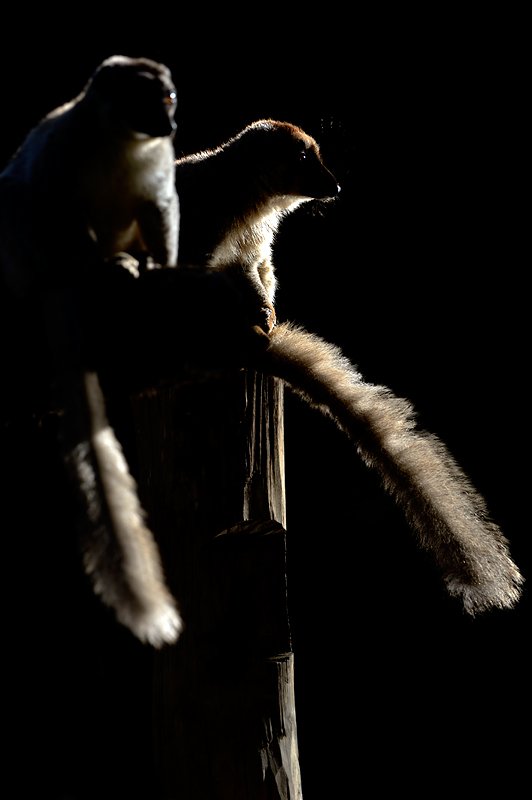
Madagascar the fourth largest island in the world!  Unique due to its diversity of species. It is known as the 8th continent and is a breathtaking place for wildlife. I have just returned from this amazing place where my 11 day photo tour took clients to some of the best places on the island.  Everyone witnessed the amazing aray of wildlife, flowers, and flora that this special island has to offer. The image below is of two Common Brown Lemurs sitting on posts near to the water as the evening sun began to set.  I under-exposed by two full stops to gain this effect.

A Golden Sifaka Lemur shown above moving through the trees which I was lucky enough to capture here with a fish-eye lens.  I have changed the image to black and white showing you just how dense this area of primary forest in Mantadia National park is. Another fisheye image from the same amazing forest can be seen below, showing some of the forests strange and wonderful trees.

Madagascar as we now know it, separated from the African mainland nearly 160 million years ago. Then 80 million years ago it broke away from India and from that moment it has stood alone in terms of an island within the India Ocean. This isolated so many species of wildlife to this one island, thus making its wildlife very different and unique, where many of the species only live and exist on this island.  You have to constantly look twice at things as you are just never certain if what you’ve just seen is living or a piece of wood, a twig, branch or something like that.

This image below clearly demonstrates what I have just described.  Its a Leaf-Tailed Gecko and it only lives on Madagascar in a few places on this island. It mimics the shape and colours of tree bark to blend in and hunt. It took several minute’s to see this amazing animal after our brilliant guide had found him for us.

The plants, flora and animals are amazing on this island and new species are constantly being found by scientists. The shapes and designs of them really intrigued me, with their armour style leaves, amazing patterns and spiders webs shinning like diamonds in the morning light with droplets of dew decorating them as seen in the following image, along with some of the amazing leaves and flora.  You can see a hole which marks the entrance to this spiders den.  I gazed at its design for ages with no sign of the occupant. We get some much from nature, ergonomic designs, waterproofing methodology and aerodynamics, all found in species of plants and animals everywhere on this island.

Madagascar is most famous for its wide variety of lemurs, these amazing creatures are found nowhere else in the world and new species are regularly discovered. The different species of lemur are spread throughout a variety of parks and reserves on the island.  This lemur was one of the main species everyone came to photograph. With their kind faces they were the perfect animal to photograph during our trip to this mesmerising island set among the Indian ocean.

Due to massive environmental degradation Madagascar’s species are some of the most threatened on the planet. With widespread destruction of habitat known as “Slash and Burn” which can be clearly seen once you travel around the island either by air or road.  This technique that is killing the life blood of this country is the traditional way for locals to plant rice, beans and corn to live off.

Small villages supporting many families are forced to settle right up to the edge of these primary forests where it’s clear to see the pressures on both the wildlife and the growing population. This has taken so much of Madagascar’s forests and replaced them with bare land covered either with crops or left just baron. Which in turn has rendered many species on the endangered list. None more so than the islands Lemurs, known for their wide eyes and by far the most famous of the islands residents.

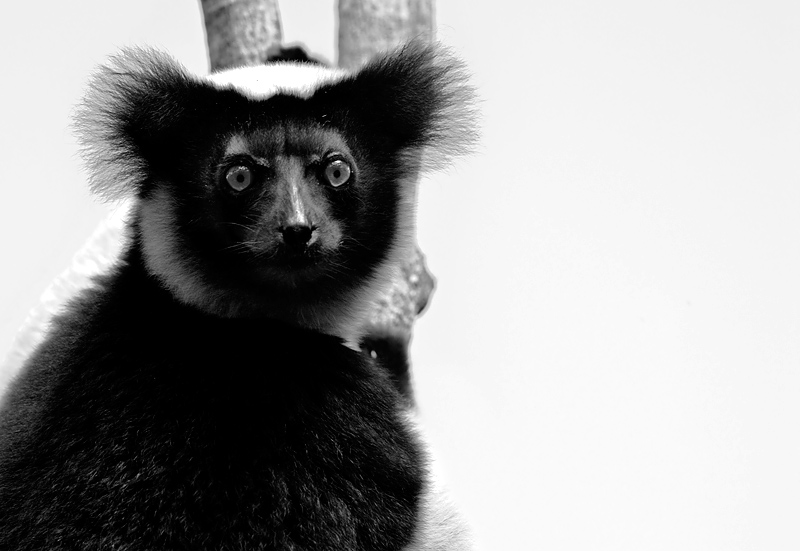
Our trip started in the forest resort of Vakona Lodge, a complex of bungalows sitting amongst the natural forests of Madagascar.  We were here for 3 days, exploring Andasibe and Perinet National Parks which are set up to safeguard this amazing primary habitat of Madagascar. One of the famous inhabitants is the Indri Lemurs.  These are the biggest of the lemurs with an incredible call that travels for miles. These live in the tree tops and rarely come down as they have a complete fear of man in Andasibe reserve. Capturing images of them was a little tricky due to the dense habitat but all of my clients managed to capture some wonderful images of this amazing lemur.

We had a great guide throughout the trip who’s knowledge helped us all to find and photograph the stunning wildlife this place has to offer. During our stay at Vakona lodge we went on a couple of night walks around these reserves. Madagascar is famous for so much wildlife, alot of which only comes out at night giving you a completely different experience than that in the day. When you lose one of your senses your body over compensates which means your hearing and sense of smell almost doubles in the absence of your eyesight. We’d stay on a road and only venture slightly off path once one of the guides had spotted something with his torch.

A photograph of a Boophus Tree Frog, which has adapted itself to completely blend into the leaves it uses to live and hunt from. We could only just make him out once a small torch light was placed under this leaf. It exposed his shape and his markings that mimic the leaves he uses, just how amazing is wildlife!

A Golden Web Spider sitting among its web waiting for the night time insects to fall fool of its beautiful woven web.

This amazing creature just mesmerised me.  It looked like something from a bye gone era, not out of place in the dinosaur age I thought. It’s a Short-horned Chameleon. I was using a macro lens for this image and the depth of field was very narrow. So I focused on his head while leaving his curly tail in the image to gave a sense of size and depth to this image. What a wonderful living creature this was to see and photograph, the night time walks were truly amazing.

During our time at Vakona Lodeg we had 3 days of wonderful walks through the primary forests of Mantadia National Park and Andasibe National Park, both areas saved from the slash and burn policy that has ravaged the forests of Madagascar. We came across a lot of wildlife during our time here and one of the best encounters was of a group of Golden Sifaka Lemurs.

These are one of my personal favourite Lemurs with their striking colours. This image is taken with my fisheye lens.  I wanted to try and show you how dense these amazing forests are and I managed to sit down as he fed above my head.  I was with a completely wild Golden Safaka Lemur, feet above my head, as he reached for this branch to feed on.  A truly amazing moment.

A truly beautiful species of Lemur that only lives in this area of Madagascar, hanging onto survival with its forest homes being cut down. A real pleasure to see this lemur who once covered the whole area of Madagascar. Now only really existing on the east coast in protected areas.

Another wonderful encounter at Mantadia National Park was seeing a pair of Collared Nightjars. Our guide had spotted these among the forest vegetation cuddled up so close to each other.  These birds have very poor eyesight during the daylight hours as they are totally nocturnal birds.

This renders them a little vulnerable during the day from prey.  I was also told by our guide people hunt them up for food. One by one we carefully approached these sleeping beauties and took a few photos of them before leaving them in the peace that we found them. They had such stunning markings and feathers and were so well camouflaged for their forest home.

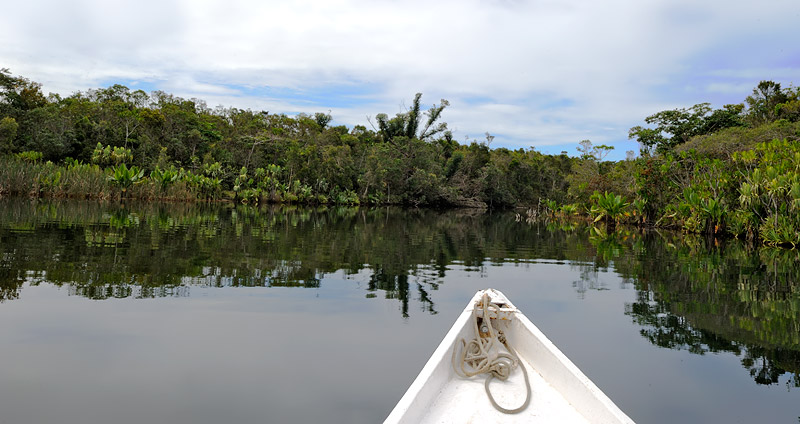
After an amazing start to the trip we said goodbye to Vakona Lodge and the amazing reserves we had visited, and headed towards our next destination.  After a 45 minute boat ride along the Pangalanes canals, passing by local villages on the east coast of Madagascar we arrived at the private reserve of Palmaruim.

Staying at the Palmarium Lodge all clients had a wonderful bungalow overlooking the large lakes giving that real contact with nature feel within the location. This place has around 8-10 different species of lemurs including nocturnal lemurs too. Once we settled in we headed out for our first night walk with our guide at Palmaruim to witness the unseen wildlife that this area of Madagascar has to offer.

A wonderful close up of this Boophus Tree Frog.  Lit up by our guides torch light.

We had an incredible encounter with a Pigmy Kingfisher during our night walk.  This bird is only found in Madagascar. The light from the guide’s torch brings out the wonderful colour of its plumage under the cover of the moonlit evening. During our night walks we had to stay on a path and could’nt go off track, so to see this wonderful bird so close to our path was amazing.

The peace and tranquility of this place made it a wonderful few days, with each bungalow set among the reserves vegetation. A lot of the Lemurs here live in lowland forest, which is completely different to that of the primary forests we’d spent the previous several days at beforehand. Most of the lemurs were fed here and made for wonderful images for the clients. Seeing these beautiful primates up close with the help of a few bananas from our guide.

The wonderful face of the Coquerel’s Sifaka here, again only found now in a handful of places on Madagascar.

This is the Crowned Lemur named after the crown of brown colour seen on top of his head.

Along with the Golden Sifaka or Diademed Sifaka Lemur these Indri Lemurs are one of my favourites. It was very interesting to see that here in their lowland habitat the colour is more darker than that of their  black and white counterparts that live in the primary forests of Andasibe and Mantadia reserves which we’d seen earlier in our trip. Indri are the biggest Lemurs and for me are beautiful and very graceful as they move through the canopies of the forests.

During our stay at Palmaruim we were able to photograph the largest of the Chameleon family, a true dinosaur looking creature that only lives in a few places now. The Panther Chamelleon has a massive tongue which it hunts and catches its prey with. Their markings are truly special and here I captured him moving from a high branch to a lower branch. Giving a different view point to this amazing living creature who’s markings are just stunning.

We had a great time at both Palmaruim and Vakona Lodge which are staying on my itinerary for next year’s Madagascar photo tour as clients really enjoyed these places and its peacefulness along with its variety of wildlife. I took a few images of a wonderful spider we kept seeing during our time on Madagascar, the stunning Golden Web Spider.

The following day we took the boat once more but this time headed to Tamatave for our overnight stay at the Sharon Hotel. Traveling for two hours this time to reach our destination by boat we settled into our wonderful hotel in readiness for our early morning flight to the beautiful island of Sainte Marie where we would be finishing our photo tour hoping to see the Humpback Whales that come to this area to give birth and raise their calf’s.

Sainte-Marie, known as Nosy Boraha, is an island off the east coast of Madagascar, it’s a fantastic location to see Humpback Whales during the months of June until September.  The channel between Sainte-Marie Island and Madagascar is a hot spot for these whales.  Substantial groups of Humpbacks migrate from the Antarctic to this idyllic breeding place. These quiet giants find conditions here favourable for the growth of their young and it is also well suited to their courtship before their return towards the cold seas in late September.

We spent 2 days and nights at our beautiful Masoandro Lodge, with 1 whale watching trip each day.  The first day we saw nothing as we sailed in our small boat in the vast India Ocean. Crossing our fingers for the next days trip we all hoped we’d see the incredible Humpbacks.

I see many things while among nature that blow me away, many private moments I’m able to see and photograph, where I count myself very lucky indeed.  So following a mother Humpback Whale and her calf in the Indian Ocean the following day ranks right up there with the very best moments I’ve been privileged to see in my lifetime so far. The weather had turned from sunny to cloudy on this day and the sea looked rough, very rough and all of my clients decided to give the boat trip a miss instead opting for our last day in Sainte Marie, so I went alone, as fortune favours the brave I believe.

The sea was choppy at first but the weather broke and the sun came out.  We adopted a different tactic than that of the previous day and waited for signs that whales were around. We saw one and ended up following her and her calf, the guides kept the boat at some distance away and stopped the engine as not to make a single noise. Floating in the massive Indian Ocean in a small, tiny boat with the current throwing you around certainly gets the blood pumping through your veins to say the least.

We had followed her and her calf for nearly an hour, often we just drifted as they dived and played around our tiny boat. Sometimes stopping to play and flap one of their fins at each other, such lovely tender moments for such a massive animal. A few minutes had passed where we thought they’d dived deep and vanished. Then from nowhere the female jumped up, clearing the sea then landing in seconds. I had around a faction of a second to take these images. The power, noise, splash and the wave that happened during and after this jump, I just cannot explain in words.

Never have I seen anything so powerful created by a living animal in all my life.  I was speechless. The following sequence of images captures that incredible moment. What a way to end an amazing trip to Madagascar, my clients went the following day and were also able to see this pair and take some lovely images but the female never jumped so I count myself very lucky that day, as I witnessed something that will stay with me forever.

I would like to thank my clients who came from as far afield as the USA and Australia to join me on my photo tour. We had a great time, brilliant images, fantastic accommodation and a real laugh along the way. Thanks to Shaun Stanley from World Primates Safaris for helping me with the logistics on the ground, guides, hotels and transport as it’s the small things that make the big things happen. And lastly I would like to thank my guide, Rija whose knowledge of the amazing wildlife in Madagascar helped us all in capturing some wonderful images with our cameras.

I will be returning to this breathtaking island of Madagascar in October 2013. Visiting a lot of the places you’ve seen on this blog. So if you’d like to join me on this amazing photo tour next year then please click here to be taken to the link and all the information you will need, many thanks.


Read full post

Keep The Tigers Alive

Filed in Articles on Aug.22, 2012

They say a picture paints a thousand words, I hope this one does, tt’s a Female Tigress wondering through her territory in the morning light, taken in Ranthambhore Tiger reserve, India. This photograph captures the moment when she became aware of my presence as I sat in a small jeep, hidden from view, thousands of miles from home, engine turned off and the air thick with alarm calls.  I could not only feel my heart beat I could hear it among the forest noises as I captured this photograph.

On 29th August 2012, the Supreme Court in India decides the plight of the Royal Bengal Tiger by those that maybe haven’t even seen or even been to those areas now that they may condemn to the history books. India is home to half the world’s tiger population, according to the latest census released in March 2011 by the National Tiger Conservation Authority, the current population is estimated at 1,706 – up from 1,411 in 2008.  A link hear to the recent ruling can be seen.

The Supreme Court wants the Tiger reserves to restrict tourism to the buffer zones, but the problem in Ranthambore, as well as other reserves, is that the only area it can designate as buffer is not somewhere tourists would want to visit, let alone tigers. There, the buffer zone is a wilderness with very little flora or fauna, littered with gravel mines. To reach the zone, tigers would have to travel 35 miles from the main park, and even cross main roads. So these proposed plans and buffer zones just won’t work and will be the beginning of the end for Tigers in India.

Ranthambhore Tigers are doing really well and the reserve is run to a strict rule. At present there is 25 cubs there doing well, one family being brought up by their Father, the first time in history this has been reported. And my group of clients this year had the amazing privilege of witnessing this and capturing the images of dad with his two cubs as their mum had died and he was bringing them up alone. To read the story of this case click here.

Animals only breed when they are happy, so how are tourists distributing them? as in core areas Tiger numbers on the whole are on the up. Nature would tell us if it wasn’t happy with falling birth rates, Tigers numbers falling or dying. But she tells us the opposite here in Ranthambhore. A place I know well and love, having visited many times over the last several years. I’ve met many drivers, guides and people that live in and around the tourisms area of Ranthambhore whose whole economy is based on tourism, take this away and they have nothing.

All of which rely on the Tiger for their livehood, but more than that they love, cherish and look after these animals. Keeping them as safe as they possibly can. Remove all of this and this will send the Tigers into the history books I believe and many others on the ground also do. I’ve been told its called – community based conservation, and the tiger will be exterminated without it.

I am no scientist but it’s so clear the Tigers are ONLY living because of these people and tourism, let’s hope they carry on keeping Mother Nature’s most beautiful animal as safe as it can. I hope they make the right decision for the Tiger first and foremost, keeping this animal alive, safe and well for the future generations to see just how beautiful they are, good luck to the Tiger and also the Indian people.

I am off to Madagascar at the weekend for my 11 day photo tour there so once I return home I will up date my blog on the courts ruling as the date of the hearing coincides with when I’m away, many thanks.


Read full post

Spotlight Sumatra

Filed in Articles on Aug.14, 2012

Spotlight Sumatra is a celebration of the breathtaking array of life found in the island’s unique rainforests, and a call to action to collectively do all that we can to save this fragile ecosystem, the last stronghold for many critically endangered species. I will be travelling to Sumatra in September 2012  for two weeks. Alongside my guides, we will venture deep into the jungles for up to three or four days at a time, even longer if we are lucky, to track and photograph wild Sumatran orangutans.

Jungle life will be basic but great, trekking by day and sleeping in hammocks by night. I have many ideas and plans for different images and photographs that SOS can use to help raise awareness of the plight of this Great Ape – maybe the first Great Ape to become extinct should current trends continue in the destruction of their forest homes. With many tour operators, photographers and members of the public venturing to the island of Borneo to see and photograph orangutans, I was shocked that very few people go to Sumatra. I hope to show the world Sumatra needs help just as much in saving its rainforests as the neighboring island of Borneo.

Only 6600 critically endangered Sumatran orangutans remain in the wild. Most of these depend on the rainforest habitat provided by the Gunung Leuser National Park in northern Sumatra for their survival. Removal of illegal palm oil plantations, replanting and guarding the orangutans’ home territory along with education and public information campaigns are carried out by the Sumatran Orangutan Society and their partners in Sumatra, the Orangutan Information Centre.

SOS is dedicated to the conservation of Sumatran orangutans and their forest home and their work is helping to protect and conserve this area for the future. I first saw one of these amazing animals in the year 2000 in a rehabilitation centre in Thailand, where I saw a male orangutan, an experience that touched deep into my soul, as I watched and looked into the eyes of one of our closest living relatives in the animal kingdom.

This has stayed with me until the present day and now I am trying to help in my own way by using my photography to help SOS, in turn helping this animal. The principal focus of my trip will be the orangutan, capturing them within their natural habitat, looking for behaviors to capture and so on.

I will be capturing some beautiful photographs of these animals, alongside images showing their rainforest home. I will visit some of the most magnificent forests on Earth, which is also the domain of many other beautiful and stunning animals and birds, some of which only live in this part of the world and nowhere else on the planet. I will be using my tracking skills and fieldcraft, camouflage and jungle survival, having spent some time in these environments previously as a member of the armed forces.

I will be reporting back once I reach the few places where there is internet access, and you’ll be able to read my updates from the field on this SOS blog. I will be capturing images of SOS and OIC’s different projects but on the whole my time will be spent in the jungle, listening and watching for clues of what wildlife is around us. I am looking forward to meeting and working with the locals there, whose knowledge of these jungles is second to none and without whose skills it would take me much longer to navigate this landscape.

I cannot wait to wake up to hear the sights and sounds of the jungle, the calls, the noise, the smells. It’s going to be an amazing two week adventure where I hope to capture the beauty of this animal with my lens, which is controlled with my heart and eyes. I will be getting involved also helping the locals, I will be presenting some short films and slideshows showing them wildlife outside of Sumatra. A lot of people will not have ventured outside of their native country but it’s my aim to bring wildlife to them during the time I am there using a small bicycle-powered cinema which is used for educational talks and film screenings.

The sole aim of this trip is to highlight the plight of this most beautiful of apes. I will be showing you the kit I’m taking, clothing and equipment, posting live updates and hopefully transporting you to this rarely visited part of the world.

I visited the UK headquarters of SOS in Oxford this week to finalise my two week trip there soon with the UK director, Helen Buckland. Going through some projects and work the charity want me to visit once I’m on the ground. Capturing the whole story of Sumatra the best way I can. While I was there these two orangutans where really keen for me to see where they originally came from and gladly posed for me in front of a map of Sumatra.

There will be more news and updates soon before my departure and to keep up to date with this amazing trip please visit SOS’s website here and view the projects, alternatively click on their blog. Its going to be an amazing trip, never been done like this before with a complete view to highlighting the plight of this great ape. I look forward to showing you this island and its amazing wildlife very soon.


Read full post

Beautiful Wildlife

Filed in Wildlife on Aug.10, 2012

I use the medium of photography as a method to capture the beautiful things I witness in nature, placing a frame around something I have seen, letting the image convey the true beauty of that moment in time that my words could never describe. Photographing wildlife with my camera is more than just a photograph for me, its about capturing an animals spirt, heart,and letting you look right into their lives.

I have a deep emotion within my work which comes from my great love of wildlife. Photographs can move people, they speak in a language I cannot and that’s what I have always hoped to achieve within my work as a wildlife photographer.

Here are a few of my most recent images on subjects I’ve been working on to produce this Beautiful Wildlife slideshow, to view this on YouTube please click here I hope you enjoy.


Read full post

Brown Bears of Slovakia

Filed in Places Of Interest, Workshops on Aug.05, 2012

Slovakia is one of Europe’s most mountainous countries, with lofty summits and deep-cut valleys making up almost a third of its area.  With the dramatic Tatra Mountains forming an amazing backdrop to this stunning area. The Carpathian Mountains in Slovakia has everything a photographer could wish for, beautiful landscapes and wildlife with that unspoilt feel to the whole area which is set in one of Europe’s most dramatic mountain regions. I’ve just returned from this amazing place after running a photo tour there with clients to photograph the beautiful Brown Bears that live in this region of Europe. It was my first trip there and I was blown away with the beautiful landscapes and wildlife.

This country offers a chance to get close to these amazing and powerful mammals from well protected hides. Where you are able to photograph wild Brown Bear in their natural habitat. Our hides were located at beautiful locations, very basic in design as they double up as places in which the rangers count the bear numbers. The scenery around each one was stunning, providing you with the perfect backdrop for Bear images.

Working from hides positioned in varied habitats gave us the best opportunities to photograph this amazing predator in the safest way possible. Each guest had the opportunity to photograph the animals in different locations against a variety of backgrounds, gaining a unique and privileged insight into their lives.

Photographing the Brown Bears took place mainly during the early mornings and nights, spending the time in these 2-3 person hides. During the day we grabbed as much rest as we could at our comfortable lodge and I also presented some slideshows which gave an insight to how I work and the key elements that I feel are important within wildlife photography. In between this I went through some of the images clients have captured, offering help and support to improve what they had already captured during their time with me.

In the 1920’s Slovakia’s brown bear population was almost eradicated by hunting.  From around 1932 until the 1960’s the hunting was stopped and the bears were protected. However, in the 1960’s this ban was lifted as the population of bears had reached a high level and conflict with humans was becoming a common event.  During this time though the population sharply dropped and by the mid 1980’s the bears were again at risk of eradication.

EU legislation was imposed as the European brown bear was now classed as an endangered species and therefore protected by EU law. To date the hunting of bears is still allowed in the Carpathian Mountains, but the number of animals killed is strictly controlled and only regulation shooting or protection shooting is permitted. Keeping the population at around just over 1,000 brown bears living in Slovakia’s mountains.

Still largely undeveloped, the glorious natural landscapes remain home to many animals such as Chamois, Marmot, Lynx, Eagles and Wolves. The mountains are also home to the brown bear, one of Europe’s most impressive and threatened predators. Amidst rugged mountains and ancient forests lies hidden one of the last strongholds of European wilderness. This whole area represents thousands of square kilometers of nature encircled by a sea of civilization.

It felt almost like a miracle that in the middle of Europe there still exists such a refuge for these amazing mammals. Throughout Europe there remains almost no area untouched by humans. Wildlife though is returning again to these places where it was once forced out. Around sixty years ago it wasn’t chamois or deer herds that roamed these valleys, it was cattle, grazing. Vast forest areas were destroyed and burned to make way for grazing areas for the livestock. Wolves were completely wiped out, and the entire National Parks records only showed several bears remaining.

Everything has changed since then, the valleys have become a safe home once more for the brown bears. Wolves are increasing their numbers with new cubs recorded each year. Species only found in primeval forests many years pervously are reclaiming their territories once again. This fascinating evidence of the power of nature tells us that many similar stories can happen anywhere in the world.  We only have to give nature enough time and space and by allowing this to happen the wilderness will return, and will become a place of inspiration for us all. A place where we can meet wild animals, living their lives in peace, while wondering through these ancient forests once more.

I felt I’d almost been transported back in time, hundreds of years back in time when these animals would have roamed all if not most of Europe freely without persecution. This story for me though is as much to do with the people who work and live in this area as it has the bears. Their patch covers hundreds of kilometers and staff and resources are thin on the ground to say the least. But it’s these guys here and many others throughout the world that are helping key species to hang onto life among the surrounding populations.

Whether it is Africa, India or here in Slovakia these people are key to the subjects survival, their knowledge, passion and love for the subject cannot be counted. In this area only 30 Brown Bears remain, the rangers have two camera trips, placed in and around these basic observation hides that we used, which record bear numbers at certain parts of the year.

Seeing a different environment for me always sends my brain into over drive, new smells, different tracks, different animals and remains of deer eaten by Lynx that roam these forests. I sat by the bones to try and get an idea of size through the prints of the these very rare animals.  Just sitting and watching always helps me in my thought process when trying to build a picture or recreate what went before me at that particular place.

To get any idea of the numbers of bears in this area or to see if any have gone missing the rangers place small amounts of maze around these hides. This is designed to basically get the bears to come to the area in which these several hides are placed. So they can keep tabs of the population. Either by using the camera technology or good old fashioned sitting and waiting. Censors are conducted once or twice a year at key times.

The other reason this food is put out is to hopefully discourage the bears at key times of the year traveling down to the towns and villages below these areas in which the bears live. Where conflict often results in the killing or serious injury of the bear, as people protect their property or livelihood.

To hear this was a shock for me and really sad as I hate any form of cruelty towards any animal, but in panic people often dont think until after the event.  Unfortunately this means that the lives of around 30 bears lie in the hands of wonderful and passionate people that work in this beautiful area daily. With population numbers increasing and tourism on the up, the bears sole existence is in the hands of man. On one side you have the gun, either to protect or to hunt them and on the other you have this amazing animal who was here first hanging onto life, while roaming these vast forests that once almost stretched the whole area of Europe.

They where just so amazing to watch and at times very comical and enduring. Here a female is seen scratching her nose area after a fly had just landed. The fly can just been seen hovering above after she’s moved the fly with her massive paw.

So for us as wildlife photographers on this trip, the real work of getting to see the bears had been acheived, as over the many years the rangers had placed maze as a supplementary food source, designed to bring these amazingly shy bears into a few areas of safety within this vast mountainous range, where you just may get the briefest of glimpses into their lives.

This place really only has one road in and one road out, you cannot roam around or create damage, as there are very strict rules in place to protect the wildlife. It’s also not safe to wander around because if you spook one of these bears they may attack you, otherwise they are frightened of man and just walk away. Often though at dusk you might see a lone bear using this road to navigate their way through the forests or just a short cut.

Once they have eaten the maze they disappear just as quickly as they had arrived, no playing around, no climbing, nothing. They are so quite for their size, and without any indication alot of the time they just turned up. Sometimes though you would hear a distinct noise of a fallen branch snap, breaking the silence of the moment, as a bear approaches or passes. Heart racing as your eyes almost pop out of your head looking for what had made the noise. Alot of the time the noises came from deep within the forest canopy so it left you wandering whether it was a bear or not.

I explained that as a wildlife photographer myself you have a duty of care to the subject but also to the viewing public, to tell the story and facts behind the image, as the power of wildlife photography rests on the belief that the image you captured represents an event that occurred naturally in the wild, something witnessed and recorded by the photographer with his/her camera at that given time. The moment it goes away from this is when you have to explain to the viewing public what is behind the image and how you took this.

For me personally you have to have a complete transparency to your work, even more so as a professional, in order for your peers and public to judge your skill when working with wild animals, demonstrating fieldcraft and sharing subject knowledge. In this case we wouldn’t have got near these bears without firstly the expert help from Jaro and secondly the small amounts of maze placed out for the bears.

This maze is only placed out for counting purposes at certain times of the year and for the very few photo tours that come to this beautiful place throughout the year. Again this is done so in such a delicate way as not to impact on any the wildlife and more so the bears. Which made the whole experience feel that bit more special knowing that only a limited amount of the public have been where you were sitting.

It was good to see that the bears hadn’t become use to the food and at the same time would never become use to humans or any form of interaction with them, which in turn will keep them safer from being harmed in the future. All that was left to do for us was to wait in those areas inside these very basic hides for our moment with this amazing and very rare mammal.

My aim as the professional wildlife photographer on this trip was to have all the clients ready for those moments and to have the confidence to use their equipment to the best of its ability, while watching and learning about this amazing predator. Everyone on the trip captured some really nice images of the bears, as at times they were elusive, which in turn made those encounters we did have just that bit more special.

I met some lovely people during my time there and I would like to thank every one of you for all the laughs, the company and for sticking with the early mornings and late finishes very well. I wish you all well in your photography, many thanks.


Read full post

Nature Always Shines

Filed in Wildlife, Workshops on Jul.23, 2012

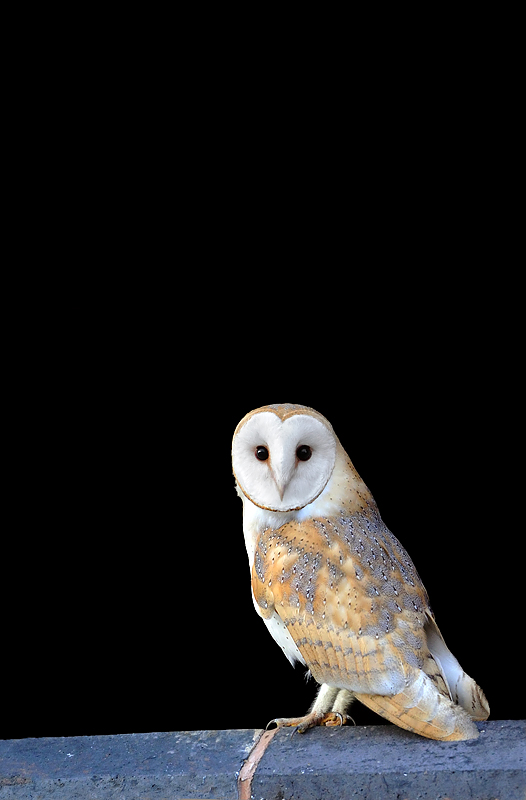
With the weather in the UK still presenting wildlife with some very testing conditions I find nature always gives off her beauty whatever the weather. I will be sad to leave behind the Barn Owls that I’m currently working on. Hoping that on my return the UK wildlife won’t have had more rain and flooding to contend with. For me though rain or shine nature always shines and makes me smile whatever the weather.

I’m heading to one of Europe’s most mountainous countries, Slovakia, leading two trips for Tarta Photography. I will be photographing Brown Bears within the Carpathian Mountains so I’ll be a little quiet on my blog for the next two weeks. Really looking forward to the trip and meeting clients during this time, where I hope to bring you more on this amazing trip upon my return home.

I’ve had a few one to ones over the last several days amongst my own work, photographing Red Grouse, high up on the moors of the Peak District. Also Dippers, where some river levels have risen and the wildlife have either moved or drown, which is incredibly sad. On the days my clients booked we braved the weather reports and were treated with sunny but at times wet weather.

.

After rain there always comes wonderful and very usable light for photography so sometimes it’s just worth taking a chance, where fortune often favours the brave, and those weather fronts I like to study turn out wrong sometimes.

Some of the moors are just starting to show some colours now, in full bloom it can be just a carpet of soft purples covering vast areas, making a wonderful back drop to the grouse. I have a number of workshops during the best times, so if you’d like to join me, learn more about these iconic birds and at the same time learn fieldcraft and how best to approach these birds then click here to see these ever popular days I run.

Many thanks to my clients for your company, where the gamble paid off and everyone got some very nice images of their chosen subjects.  The message here is work with what you have and the wet weather fronts can pass as quickly as they arrive, but wildlife will still have to feed to stay alive. For more information on my one to ones I run throughout the year and at the varoius locations I know well around the UK, then please click here to be taken to this page.

Dates for my talks in 2012/13 covering a wide variety of my work are filling up fast, so if your a camera club, organisation or chairty that would like to see beautiful images of wildlife, whats behind the images and my work then contact me for more details and rates, many thanks.


Read full post