This month see’s the release of the brand new range of clothing called the Linnet range from from Country Innovation. I have been chosen to be one of the few test pilots of this range, and I’m looking forward to working with Maria and her company. When you purchase one of these jackets 10% from every sell goes to helping projects supported by Simon King Wildlife which is brilliant.
Barn Owls are a bird that stir a great fascination and emotion for me, I have loved them since my very early teens. I have had a truly magical time on my Barn Owl project over the summer. As we enter the season of Autumn I just wanted to update you on whats happened since my last blog covering this project that you can read here.
There a few places in the UK where you can experience the sights and sounds of nature any better than the North Norfolk coast during the Spring Tides that start in earnest from this month onward and for me herald the onset of the Autumn and Winter months. Its a place I never get tired of and everytime I visit it never fails to amaze me with the beautiful spectacles in nature that I witness.
I have just spent the last two days attending the Hen Harrier Weekend and as I write I’m still slightly overhauled by all the passion and sheer bloody mindedness to save these truly stunning birds I encountered over these two days. This is the second year this event has run now set up by a man I have followed and read his blog and words for many years, Mark Avery. If you end up on his blog without an invite then you’re in trouble as he holds nothing back in his pursuit to see the right thing done for wildlife.
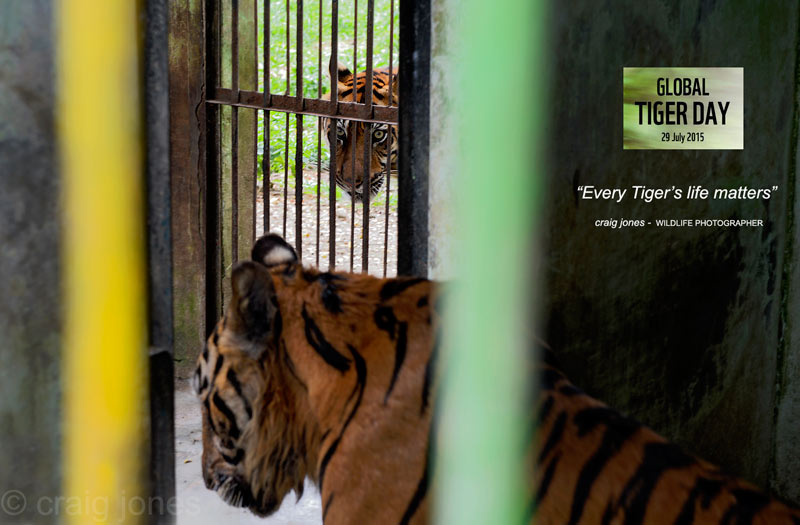
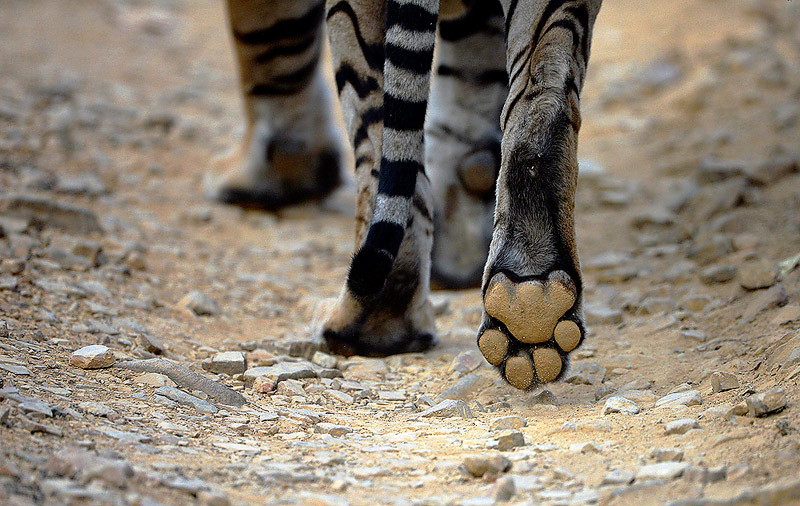
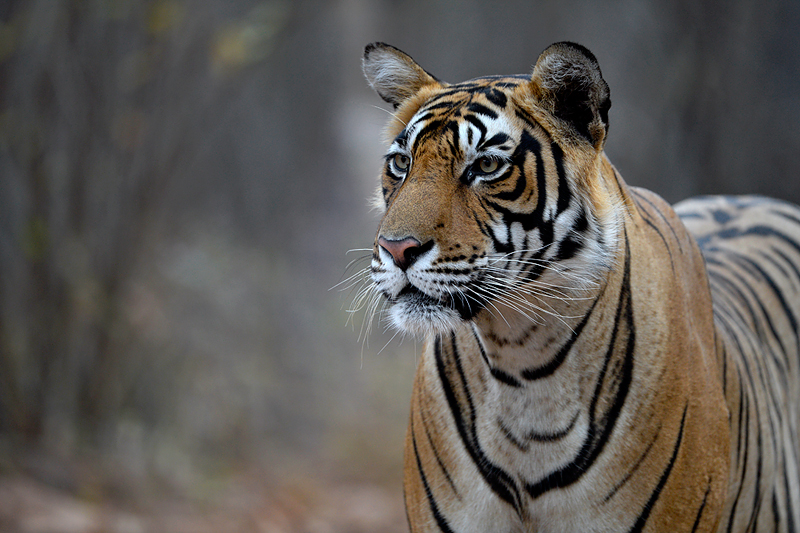
Global Tiger Day is celebrated across the world in recognition of the animal regularly voted the public’s favorite animal. Despite this, the tiger is endangered and under threat of extinction from habitat destruction and poaching. One hundred years ago there were 100,000 wild tigers, now there are less than 3,500 tigers left in the wild. In the last century Asia’s wild tiger range has shrunk by 93%. Shockingly, 40% of that decline has happened in the past ten years.
21st Century Tiger, one of the many charities working hard to save the Tiger, based at ZSL London Zoo, are a unique funding coalition between Zoological Society of London and Dreamworld Wildlife Foundation in Australia which gives 100% of funds it raises, to carefully chosen conservation projects throughout Asia. 21st Century Tiger work with zoos around the world to raise money for wild tiger conservation and channels this money to conservation projects where it can make the most difference. Its sister organisation, Amur Leopard and Tiger Alliance (ALTA) handles projects throughout the Russian Far East.
21st Century Tiger currently funds the work of both international and local conservation organisations with a range of projects from education and anti-poaching, to monitoring of the tiger populations in Sumatra, India, Malaysia and through ALTA, in Russia. These important projects address the pressures the tiger faces in today’s world of trade, exploding human population and vanishing forests.
Global Tiger Day was established in 2010 at the St Petersburg Tiger Summit when tiger range countries declared their aim to double wild tiger numbers by 2022. This day is an opportunity to raise funds for wild tiger conservation with 21st Century Tiger and to build awareness of the issues effecting their survival.
On this day please try and support all those that help to keep this beautiful animal alive and to preserve it for future generations. I have had a lifelong love of the Tiger and to think children growing up may in the future not have such love or passion for these animals through not being able to see them in the wild feels me full of great sadness.
Some of the many other charities trying to save these animals are –
Tiger Nation – See their work here. TOFT Tigers –here. Save Wild Tigers – hereBorn Free– hereWPSI-hereTiger Watch – hereTigers4Ever –here
They are many charities that help these beautiful creatures; I donate 50% from the sales of my limited edition Tiger prints that go to 21 Century Tiger. Over the next month I will be adding more limited editions to this collection. We can all do something not matter how small that all goes to helping the survival of this species.
If you’d like to photograph these amazing creatures in 2016 then I still have a few places free on my “Tigers of India” – 7 day photography tour. Its an action packed week with two safaris a day in one of the best please in the world to see wild Tigers. All the information and blog posts from many previous trips there can all be seen on this link. Its a magic place to see these Bengal Tigers and one place you will never forget.
Its amazing we have a day set aside for these majestic animals and one they really deserve and need. To all those that work tirelessly to save all Tigers I thank you and to everyone around the worlds that does their bit thank you also. Lets hope Tigers in the wild live on and have a viable future in the wild, many thanks.
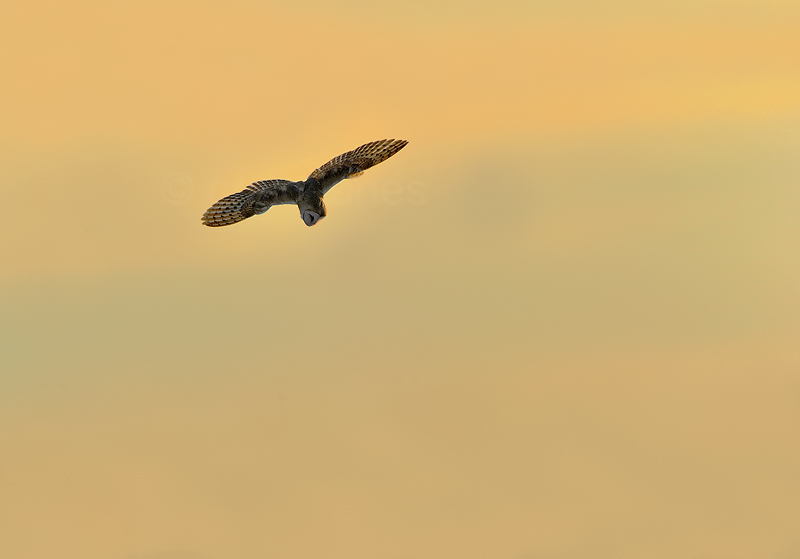
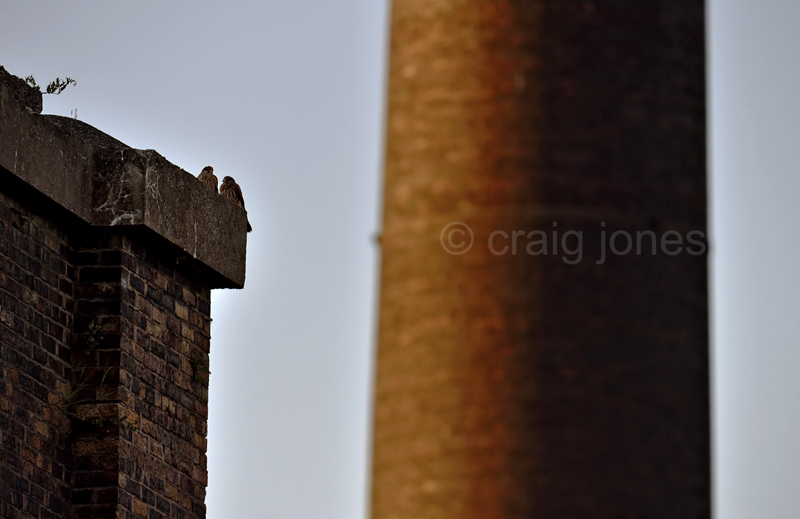
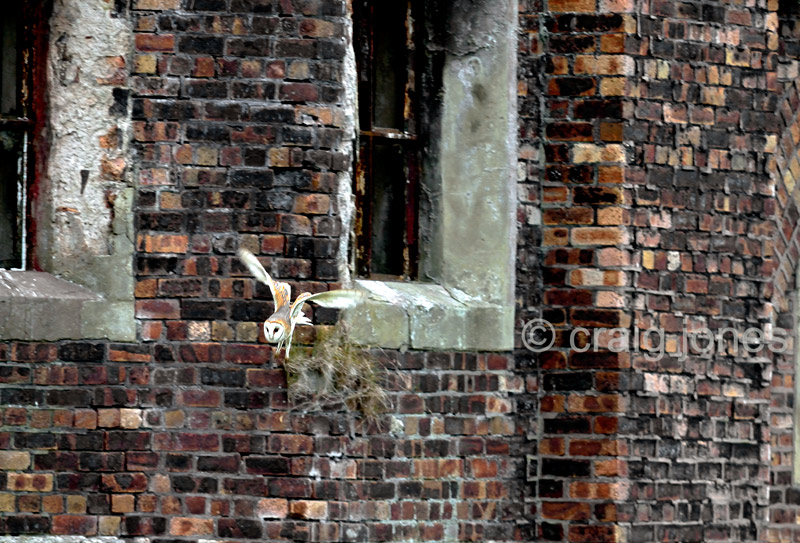
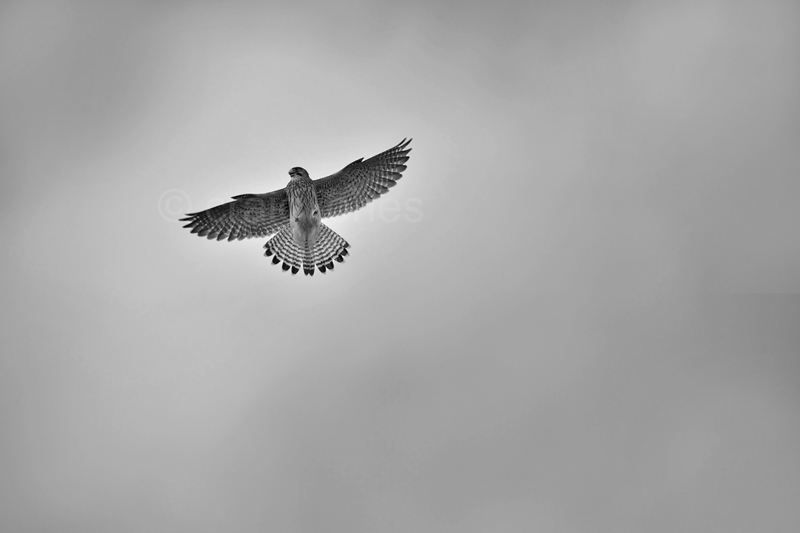
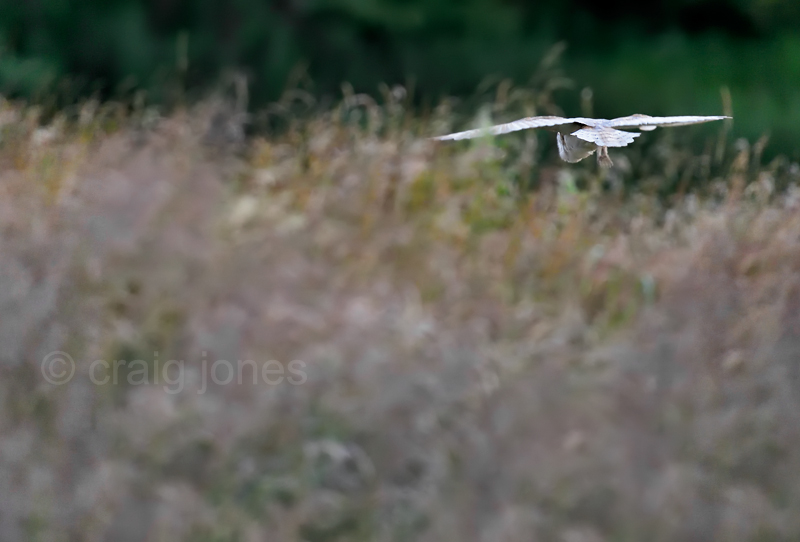
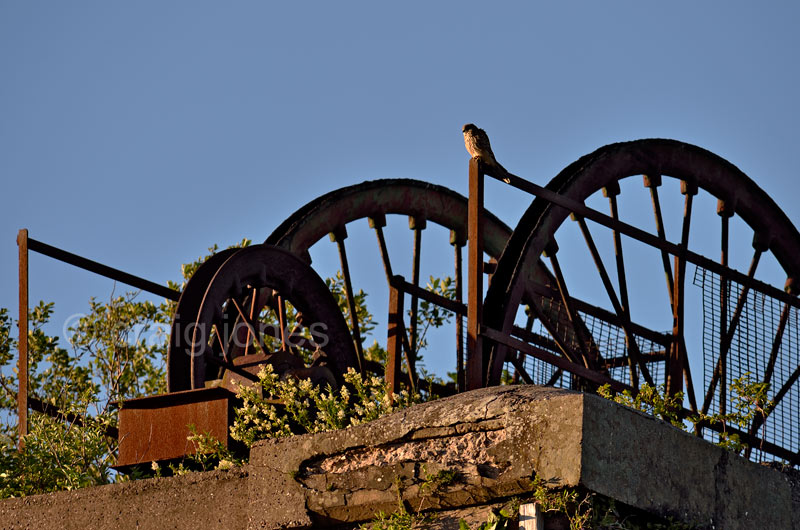
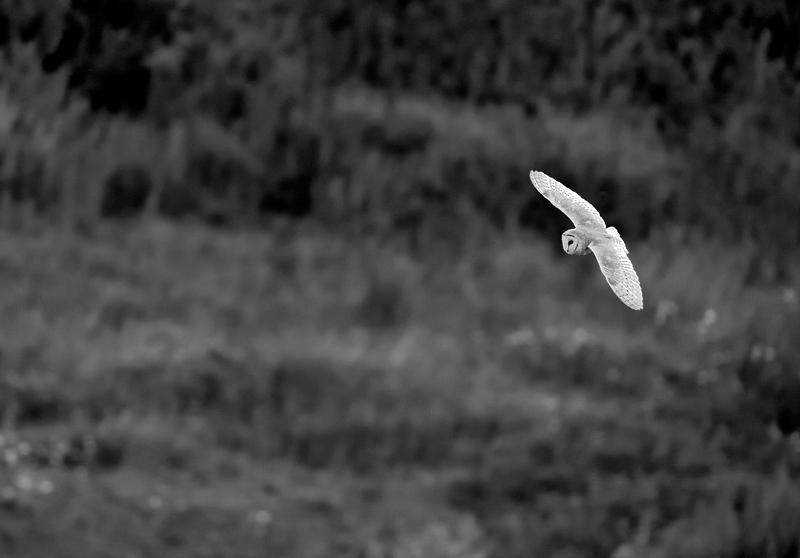
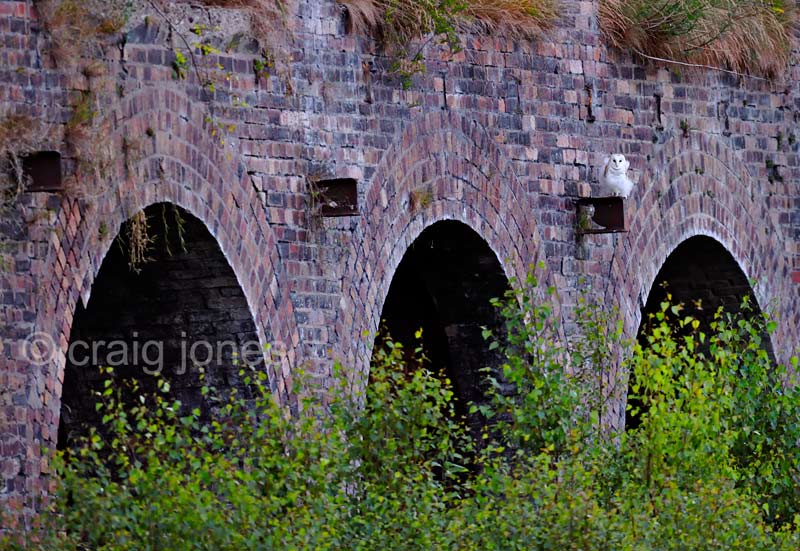
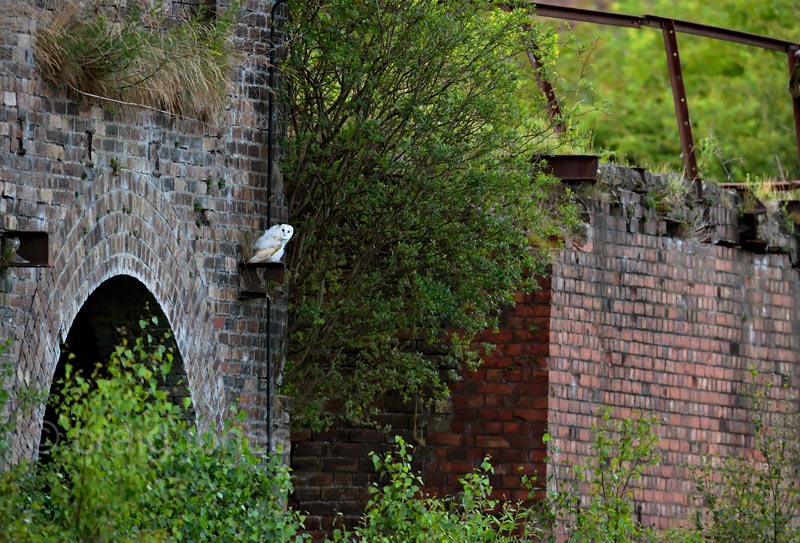
A few images from a project that I’m working on at the moment. It’s an old coal mine which dates back to the 18th century but there are reports that coal may have been mined there from as early as the 14th and 15th Centuries. The whole place is protected now and stands empty and decaying, a visual sign of the past. It has been taken over by nature now, and pair of Barn Owls live within the ancient ruins of this building. A whole array of other wildlife shares the site from Kestrels, to Pigeons to many other birds and animals.
As a young child my primary school use to run school trips there and I can remember going on one and going underground which was amazing. It’s part of my local heritage as coal was mined in my hometown for hundreds of years before it all stopped in the mid to late 1980’s. When they all closed it decimated whole communities that were reliant on them for work and income.
I’m hoping to bring you more images from this project over time. In the meantime here are a few images of the owls and kestrels that live alongside each other.
The project as a whole will be one I hope that will show my own heritage within nature with my love of Barn Owls but more importantly my hometown. That since the late 1980’s has had its heart ripped out with all of the industries that once breathed life into this area taken from us resulting in wastelands upon wastelands from the past that nothing ever replaced to this day .Showing the power of nature to recalm and take back what was once theirs and injection life back into a place that died a longtime ago.
The Barn Owl chicks are around three weeks old now. They have been coming out more sand more recently, exercising their wings then they go back into the safety of their nest. They have down feathers still on their backs too, but look really health. Wonderful to see these young and here are a few images taken showing the 18th Century building once an old coal mine, that is now their home
Please support the work of the The Barn Owl Trust the only charity that looks after and cares for our native Barn Owl. One of my favorite living animals these birds need all the help they can get. For information, education, events that help these owls and products, prints you can purchases please see their website, many thanks.
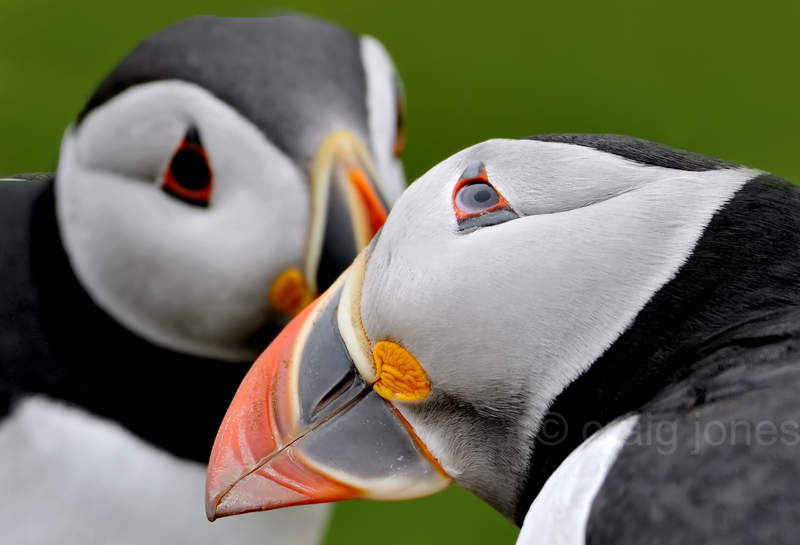
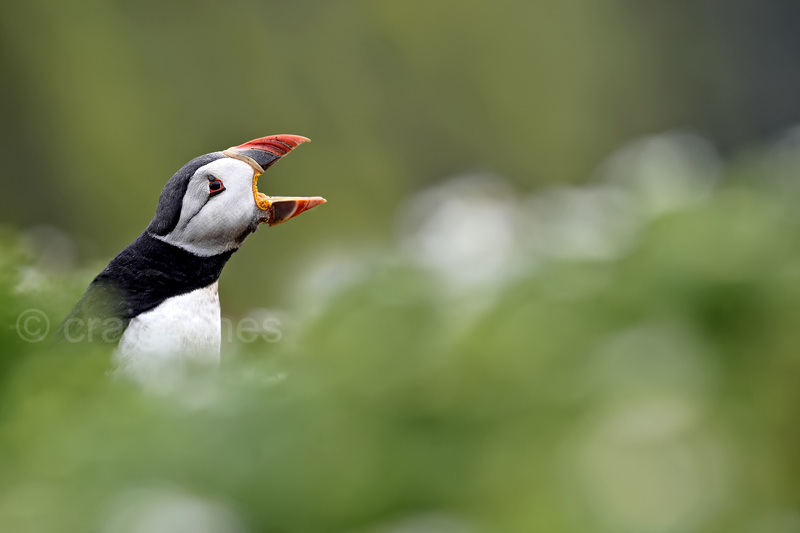
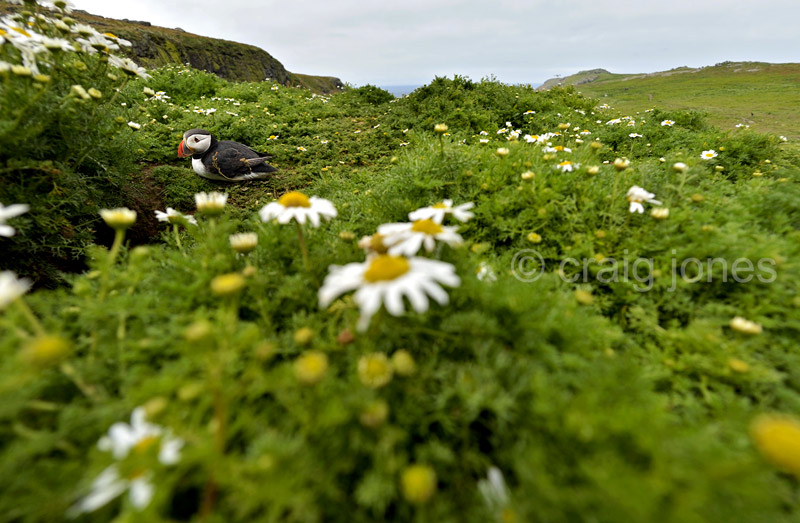
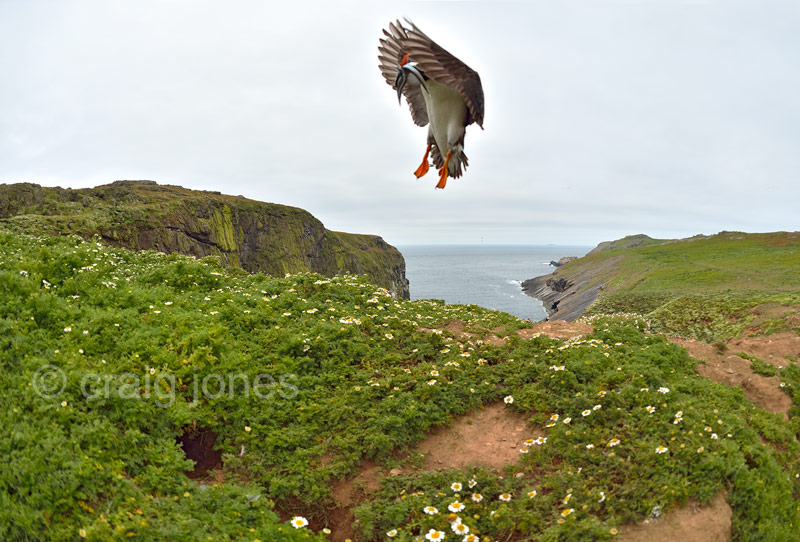
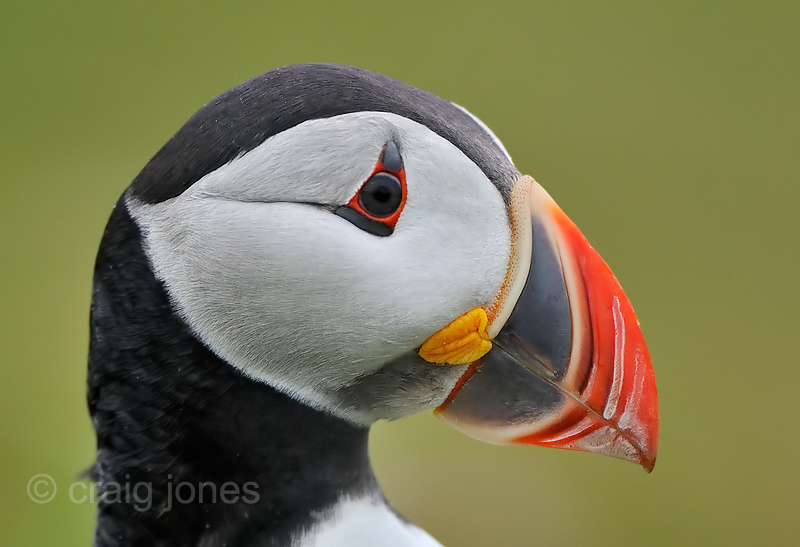
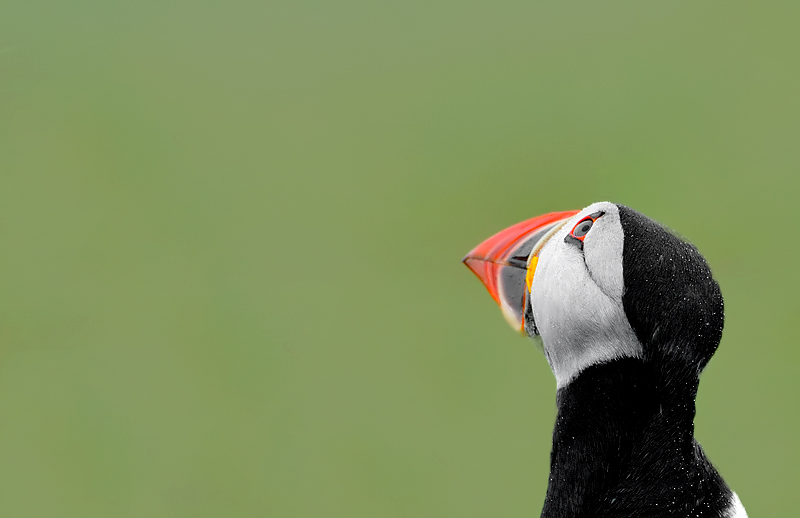
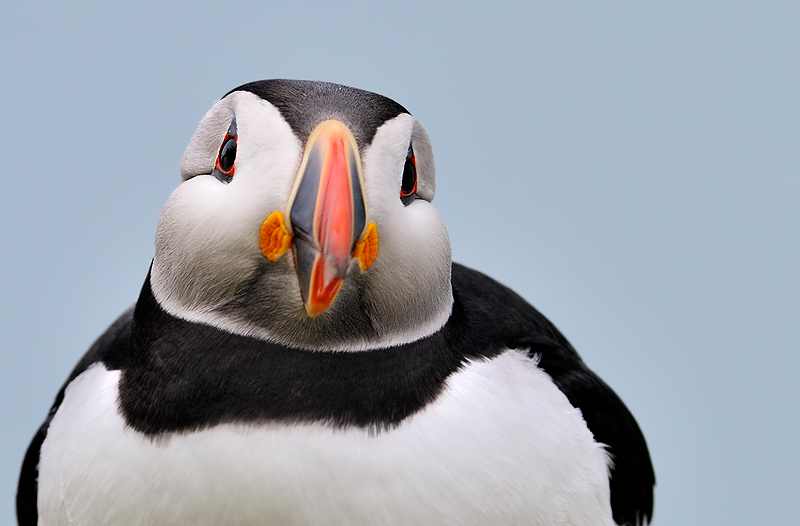
As the season almost comes to an end on the beautiful welsh island of Skomer, it has been a wonderful year with some great encounters and images of the funny and very comical Puffins. Shortly they depart for the ocean and wont come ashore again until late March early April next year as they spend all that time outside of the breeding season at sea, which is truly remarkable.
Being so trusting you can have really wonderful views of these stunning birds but you always have to remember to put them first and to move out of their way should they wish to cross some of the paths where we are allowed to walk on. The following images have been taken over the session and its a stunning place.
Next years one day workshop dates are up now if you’d like to join me. Also next year I am running a 4 day, 3 night trip for up to 8 people to Skomer while we will still on the island and photograph when everyone’s gone home. For the information on this carry on down the page and please contact me if you’d like to join me in 2016.
Skomer Spectacular 3 night Photo Tour.
Join me in summer 2016 for an amazing experience, living on the island of Skomer alongside its wonderful wildlife. A magical wildlife haven located just off the beautiful Pembrokeshire coast, 3 miles from Martin’s Haven, and covering 750 acres of habitat. Skomer is the perfect place to see and photograph Razorbills, Guillemots, Seals, Short Eared and Little Owls, Manx Shearwater and the star of the island, the Puffins.
DATES & COSTS
Cost for this three night trip is £480
Due to the Welsh Wildlife Trust not announcing island accommodation availability until October of each year, exact dates are not yet known but your 3 night stay will be during the height of the puffin season in May, June or July.
Everyone is welcome on this amazing trip from birdwatchers to photographers why all levels are catered for by myself. Skomer’s wildlife is very accommodating and everyone will have the chances to make the most of their time on this wonderful island
BOOKING
Please register your interest by contacting me on craig@craigjoneswildlifephotography.co.uk I will then send out a booking form and let you know all the details, and answer any questions you may have.
GROUP SIZE AND ACCOMMODATION
this workshop is limited to 8 guests, staying in the islands only accommodation, a beautiful farmhouse set right in the heart of the island.
ITINERARY
DAY 1
Catch the first boat from Martins Haven to Skomer at 9am
After a brief boat ride we arrive on the island and then we have a briefing from the wardens on the island. Then we head to our accommodation, unpack and make ourselves at home and have a warm drink and then head out after lunch to start exploring the island.
DAY 2 & 3
The pattern of event for the next two days will be very similarly maximising your time n the island. From sunrise to sunset and all through the night if you wish as it’s amazing on the island once it goes dark, we are free to come and go on the island and I will be showing you and guiding you to some of the best places on the island at both ends of the day and during the day.
DAY 4
We catch the first boat back to the mainland at 9am.
BOOK NOW
So if you’d like to join me on this amazing trip with unrestricted photographic opportunities then please register your interest by contacting me on craig@craigjoneswildlifephotography.co.uk
I will then send out your booking form and let you know everything about this trip details, plus answer any further questions you may have about equipment and such.
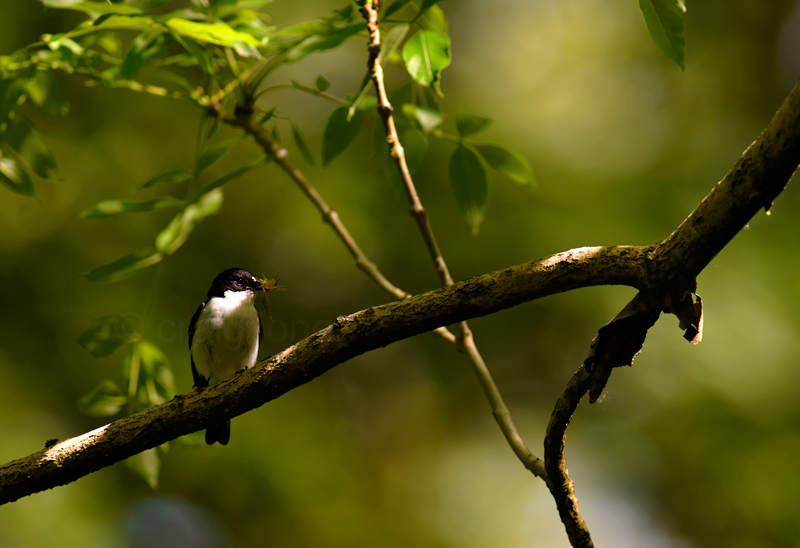
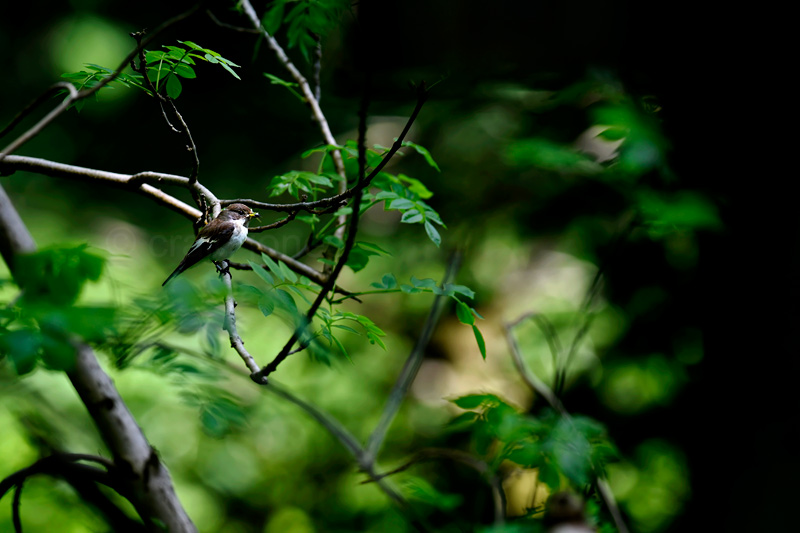
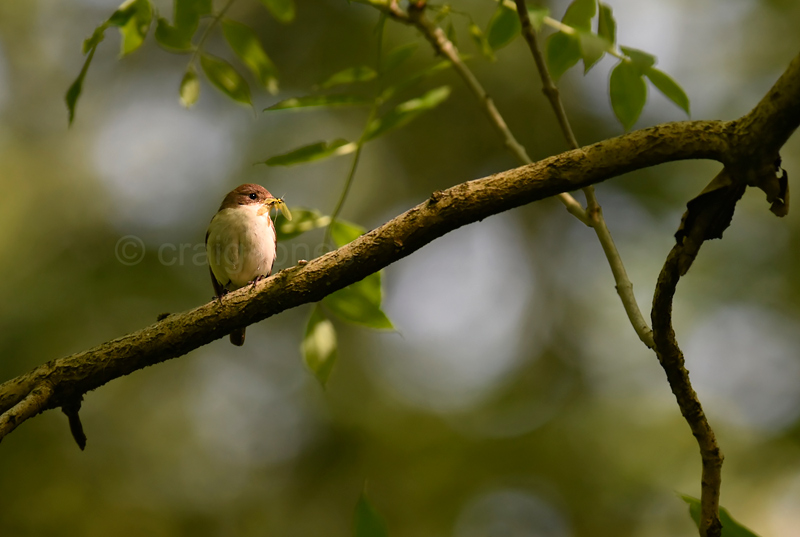
Over the last several weeks I have had many projects on the go, one such project has been watching a pair of beautiful Pied Flycatchers. These birds visit our shores during the spring and summer months from their wintering home of West Africa and live manly in woodland habitat. Their numbers are quite low and they are on the “amber” list of species by the RSPB meaning they aren’t rare but not common too.
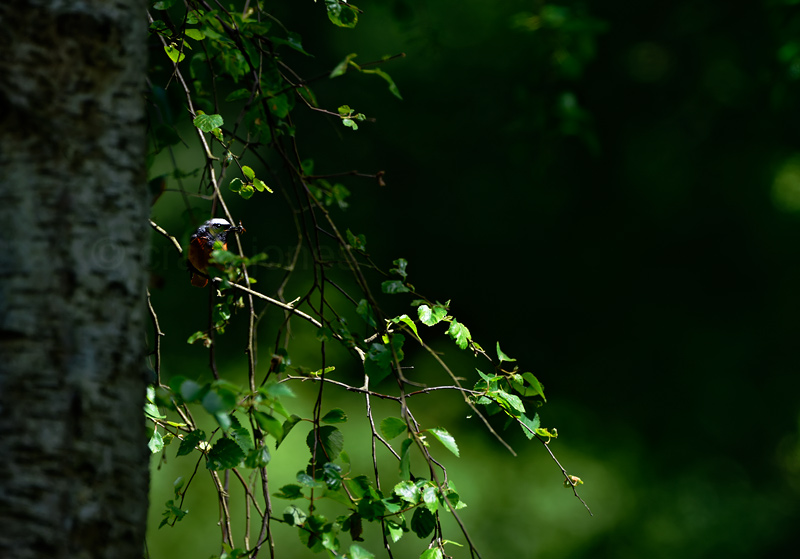
I have wanted to photograph this species of bird in their woodland habitat for many years but I haven’t been lucky enough to find them. This year I had found a pair and they were nesting in a small nest box in a beautiful deciduous wood. These birds are beautiful and I was very lucky to have found a pair. They landed on a number of naturally occurring branches around this nestbox and I have composed them showing their home and these branches they are using with the following images.
Up until this point they were doing really well, both parents feeding and everything looked good. Then around lunch time the following day I was watching another part of the wood where they are hunting the flies when I heard a hissing kind of noise from where the nest box was.
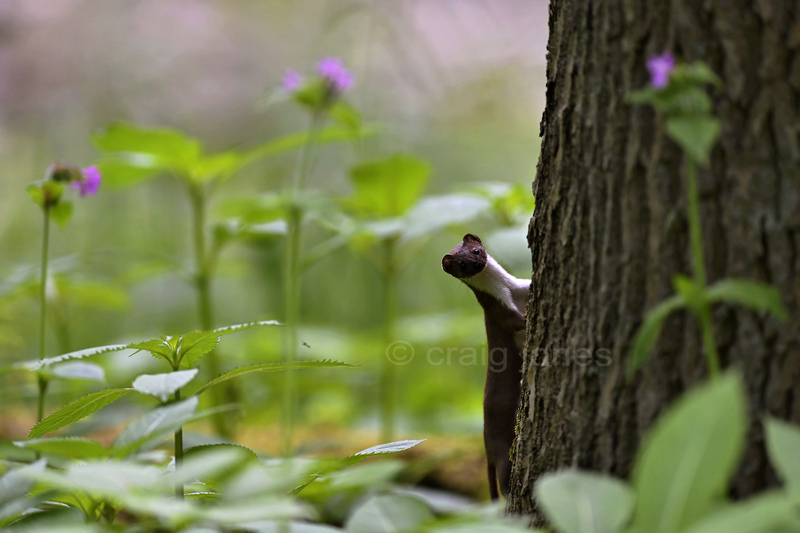
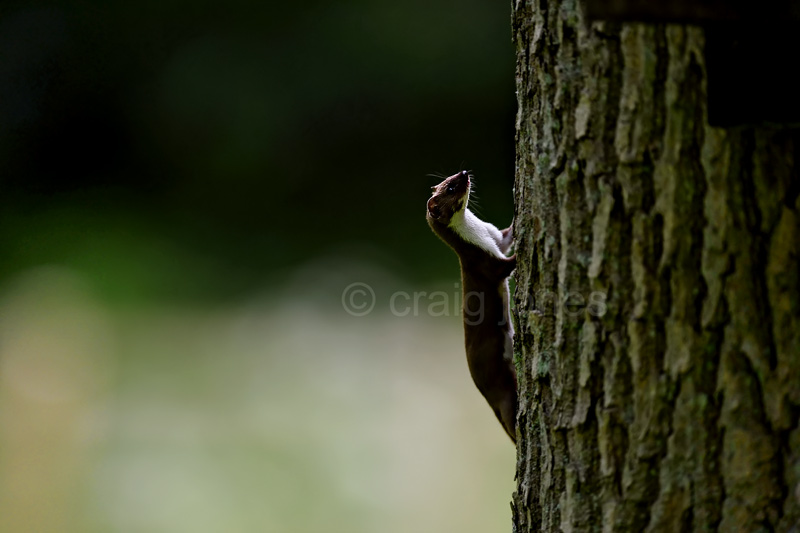
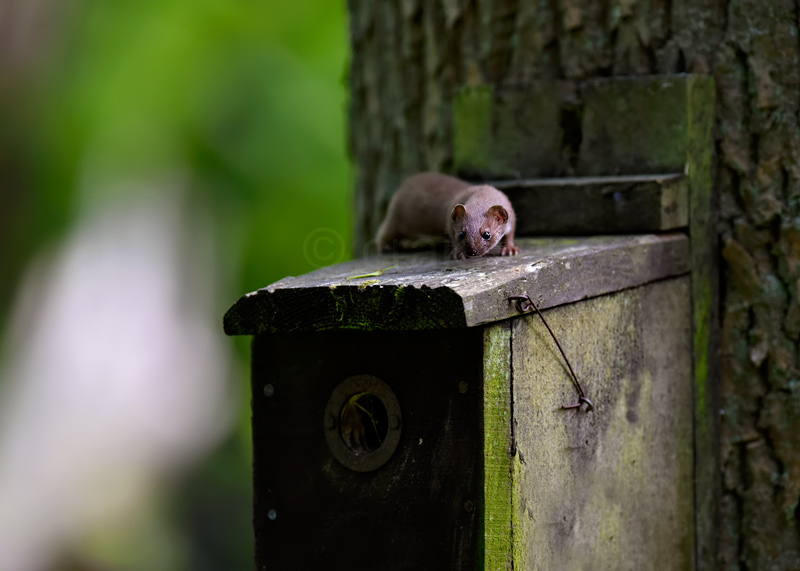
I rushed over and saw the male bird hovering in front of the box and making a noise that I can only describe as an alarm call. Then in a flash something came from the nest box and ran down the front of the box. It was a Weasel with one of the chicks. It happened so quick that I didn’t really have time to do anything or to even think. I did manage to capture a few images of him making off with the chick as the male was hovering to see off the Weasel.
What happened over the next hour and a half after this first attack was that the same Weasel came back several times to get the rest of the chicks. But as soon as I saw him I made a loud hissing noise myself and other noises to warn him off. Sometimes he stopped at the base of the tree, others he was up and on top of the box. Each time he left with nothing and this went on for a while. After the first attack the parent birds returned but were jumpy when going to the box, they seemed to know what had happened and stayed back and didn’t return with any food for those hours after the attack.
I wanted to know what had happened inside the box but I had to stop myself from going to see and investigate because I didn’t want to disturb anything or leave my scent on the box and its not right to interfere with nature. I had done my best making sure that the Weasel didn’t get any more chicks during those many attempts. When I left there had been no sighting of the Weasel for several hours and I really hoped when I returned the following day that the chicks survived and the Weasel had moved on.
Nature is beautiful but at times very cruel I know this well but when you witness it for yourself it is upsetting and I can’t blame the Weasel for wanting to feed his family but as I say when you witness animals being killed by others its not nice and I had watched this pair of Flycatchers for a while now and then this happens.
The following day I returned just after dawn, I waited several hours and no return by any adult. Before opening the box I made the noise of the adult bird and gently tapped the outside of the box and there was no noise or calls from inside. At that point I lifted the lid wearing gloves. The Weasel had gone back when I left by the looks of things and had all of them, very sad. Nature is cruel but that’s the circle of life and I learned that very early in my life but it was a real shame.
I spent most of the morning searching the same wood for another pair as there are nest boxes put up for them. As I was looking I always listen to bird calls, they will always let you know what is around. I know the Pied Flycatchers well and I saw a lone male bird that kept coming to another box. Once at the entrance hole he’d paused and then flew off. I didn’t know if he was preparing his nest for inspection for a female or just looking for another nest box or there was already another female inside.
Then I heard ” Have you seen much?” and I turned around and a bloke was standing there, after a few words I recognized him and he me and we got talking as I had last seen him some five years back. I told him about the box that had lost its chicks and that I was watching this new box.
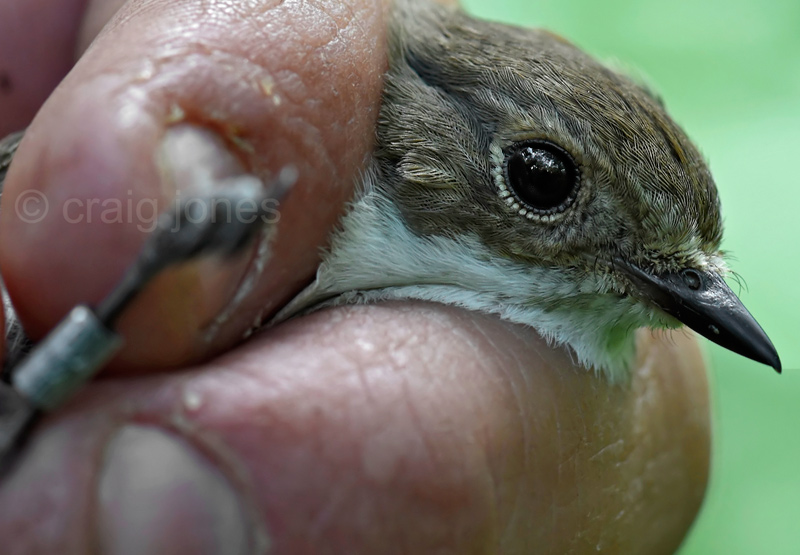
He informed me that a female was sitting on eggs in the box I was watching and that he was here to ring her. Keith is a member of British Trust for Ornithology and is a ringer in the Staffordshire moorlands area for them and has been for many years. He knew me and my work and passion and so he trusted me with this information and I watched him with great care place a small bag over the roof of the nestbox while blocking the entrance hole. Carefully then he removed the bag from the top of the box and inside was this beautiful female Pied Flycatcher.
I asked if I could take a few photos and it was no problem as Keith put the ring on, checked over the bird and once done he let her go. Soon after she was back in the nest. Amazing to be so close and what luck I’ve had at this site I said to myself. From losing a whole family of chicks to then being so close to one and knowing the BTO ringer for the area.
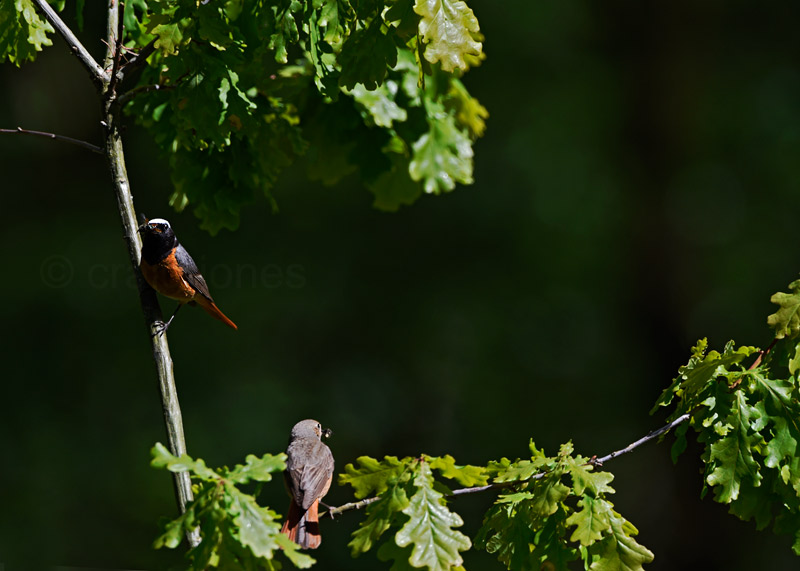
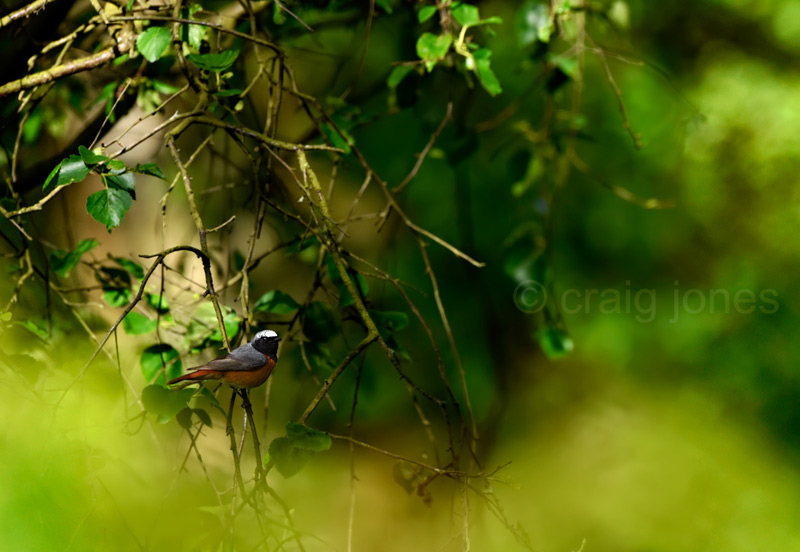
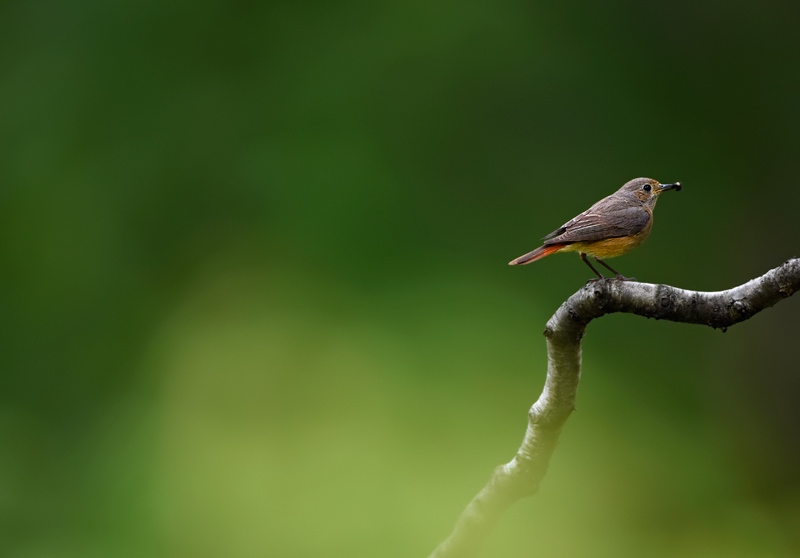
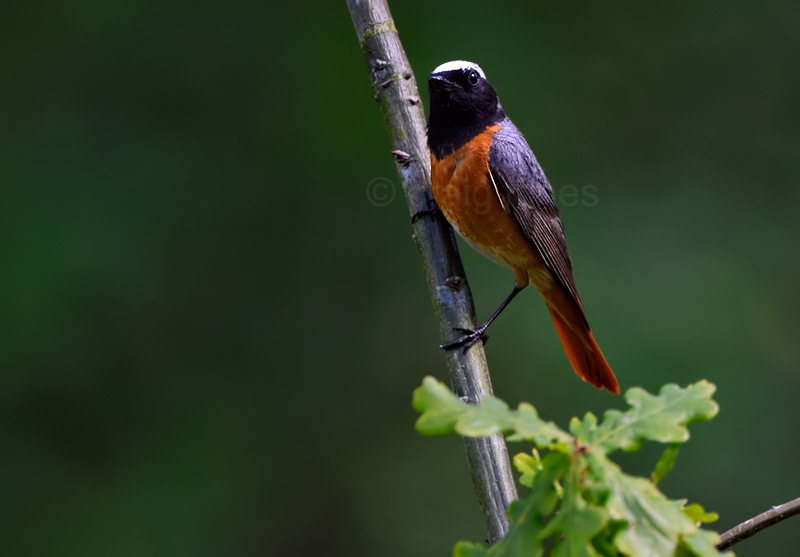
Another truly beautiful bird the Redstart, a pair are sharing the same deciduous wood as these Pied Flycatchers which is wonderful. They are nesting in a nearby old oak tree not far from the new flycatchers nest. I have watched them too over the last few weeks and now the chicks have fledged and I counted around eight in and around the tree tops.
I’m hoping to get a few images of these but they are providing a difficult little subject to get near because their parents have hidden them away and I don’t want to impact on their lives or their parents. The following images are of that Redstart family.
When you go out taking photos of a project or something you love please just stop, sit down and look around you. You will see some many living beings, so many different images all around you. I love to capture this within my work and all you have to do is think outside of the species you are there for and look further afield and you will see natures beauty all around you.
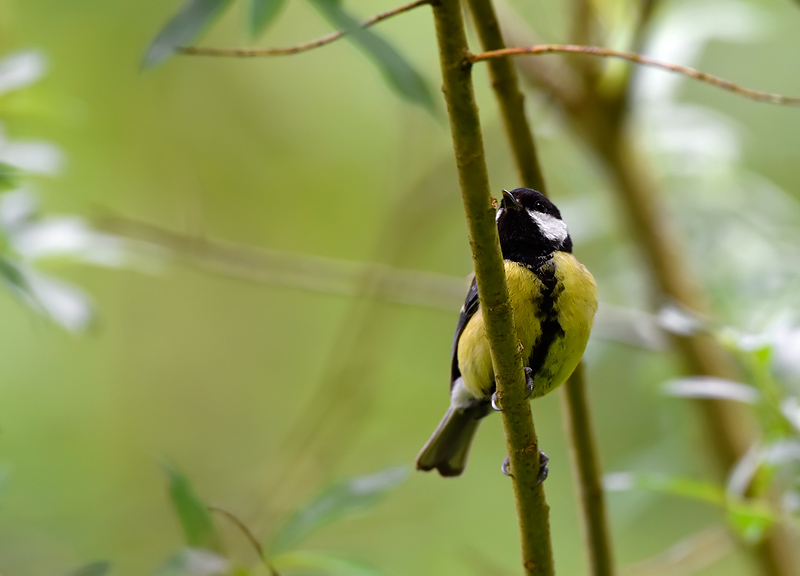
The following images show some of the other birds that share this amazing deciduous wood alongside these Pied Flycatchers.- Blackcap, Song Thrush, Wren, Great Tit. Also there are a few images of the insects that provide food for these birds, an arty photo of ferns.
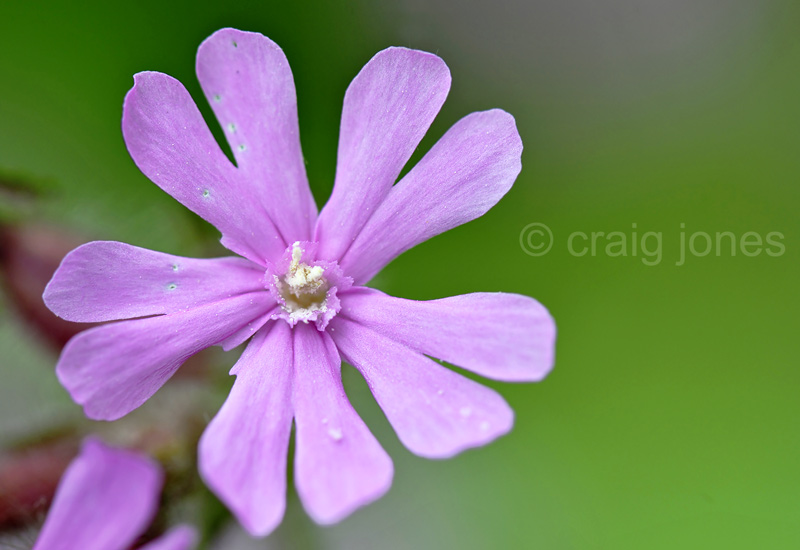
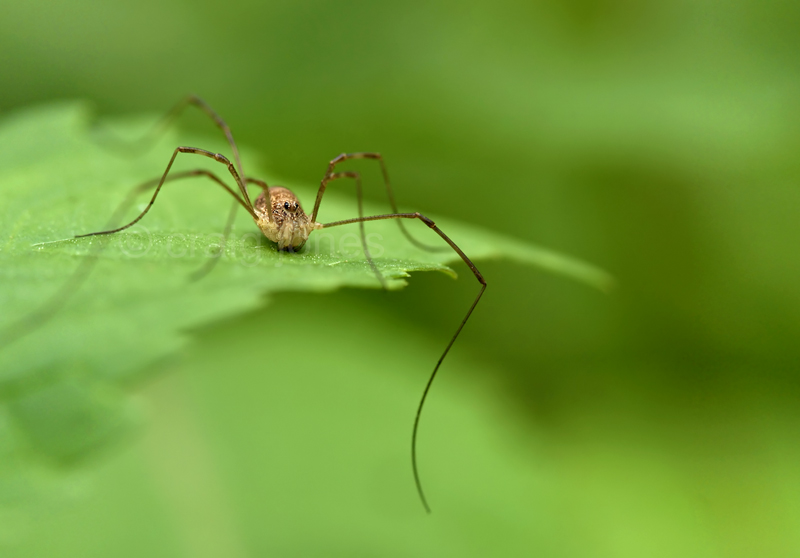
Also there is an image of a Harvestman which are beautiful little creatures. Harvestmen don’t have a waist or separate abdomen like spiders as they are often mistaken for them. They are part of the Opiliones family which are fascinating. There are some close up images of Long-tailed Mayfly that are very common in this wood too that just looked stunning. The floor of the wood is littered with the Red Campion flower too the place is so beautiful and full of wildlife once you look around you.
I’m hoping to get some images of the Pied Flycatchers feeding their young as I think they have another week or so inside the nextbox. The Redstart chicks are all around the place, and getting a few images of these are harder as they are hidden away so I will not impact on their lives just for a photograph. Fingers crossed this new pair of Pied Flycatchers manage to rear their young successfully and I will be there to capture it I hope.
If I get lucky I will post the photographs in a future blog post just updating this wonderful project I have been doing. Finding your own subjects and photographing them over time is one of the best things as a wildlife photographer you can do. You learn so much more and you never truly know what you will encounter or see where you have to use your own skills and fieldcraft.
Working like this and taking images “as seen” on the ground and alongside nature is the truest form of wildlife photography in an industry full of set ups and pay as you go sites all producing the same images. I would really recommend working like you see here to anyone that whats to learn more about their own wildlife photography and their subjects, good luck and many thanks.