Responsible Photography
Wildlife photography’s power rests on the belief that it represents an event that occurred naturally in the wild, something witnessed and recorded by the photographer with their camera at that given time.


Read full post
Wildlife photography’s power rests on the belief that it represents an event that occurred naturally in the wild, something witnessed and recorded by the photographer with their camera at that given time.
Fieldcraft and ethics are two of the most important things in wildlife photography. Those that enter the theatre of wildlife are afforded the highest level of trust by nature. How we manage that first contact as I call it is so important
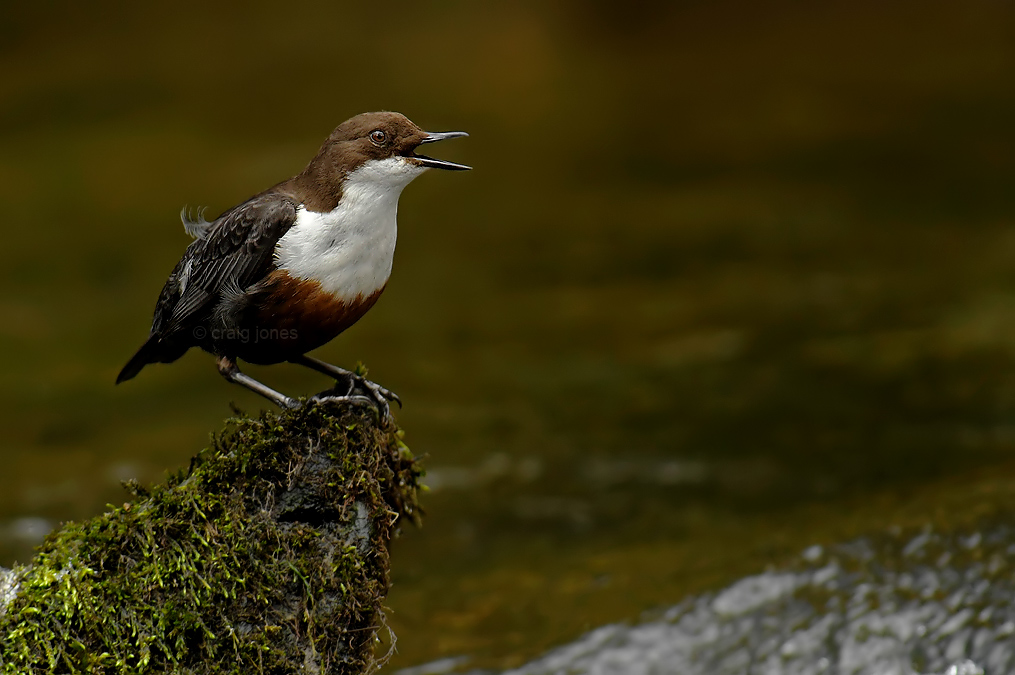
Here is a short film of an adult Dipper feeding in the Peak District National Park, watch how they just dive into the river looking for food, it’s incredible.
Promising news that I wanted to share from COP26 as over 100 nations have promised to end and reverse deforestation by 2030, in the summit’s first major deal.

The male Blackbird defending his territory against another male Blackbird. I heard that distinctive alarm call beforehand. It’s become a bit of a routine for me as described in my previous post.

Spring lifts the spirits and brings places to life. It’s the best time of year, full of life, action and wildlife behaviour. The British countryside is beautiful at the best of times but in spring it’s just incredible.

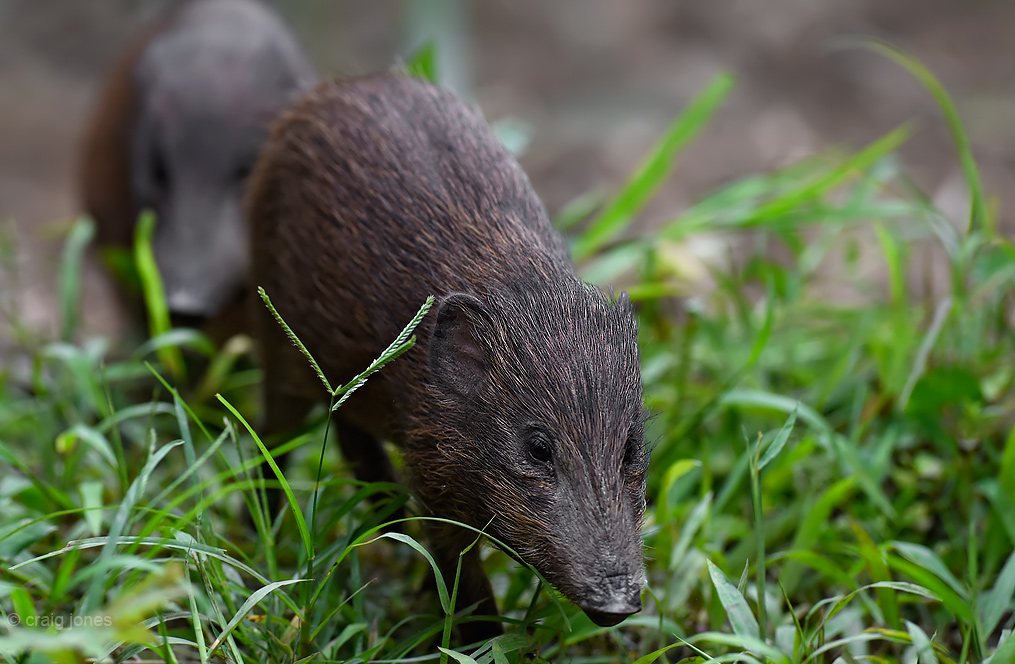
A few years ago I had the privilege of spending two weeks in the province of Assam in North-eastern India documenting the 100th Pygmy Hog release for Durrell Wildlife Conservation Trust based in Jersey. The work being done to save this critically endangered species is just amazing.

The War on Wildlife Project exists to help tackle what they see as the ‘war on wildlife”They take a largely ethically-based approach and consider the exploitation and abuse of wildlife, especially for so-called ‘sport ‘to be wrong.
