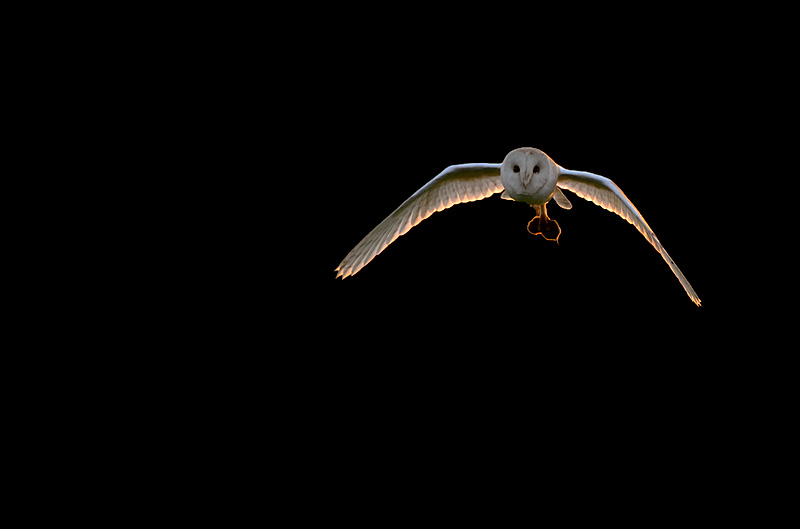
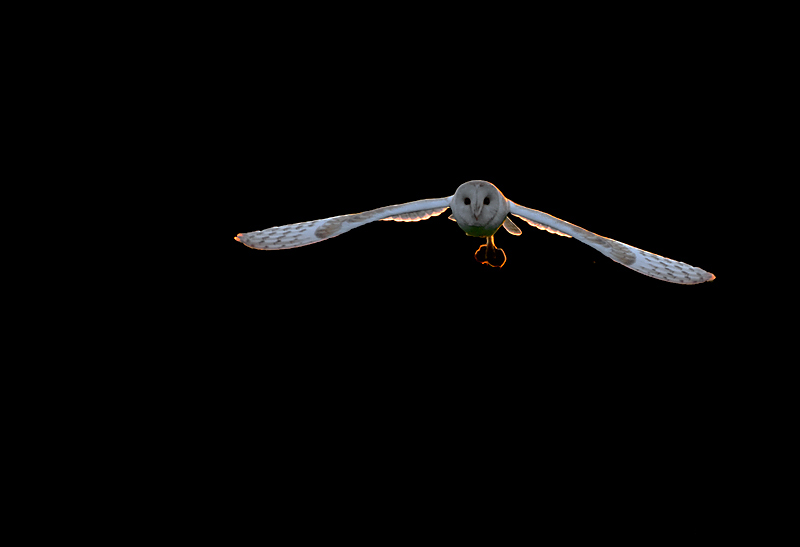
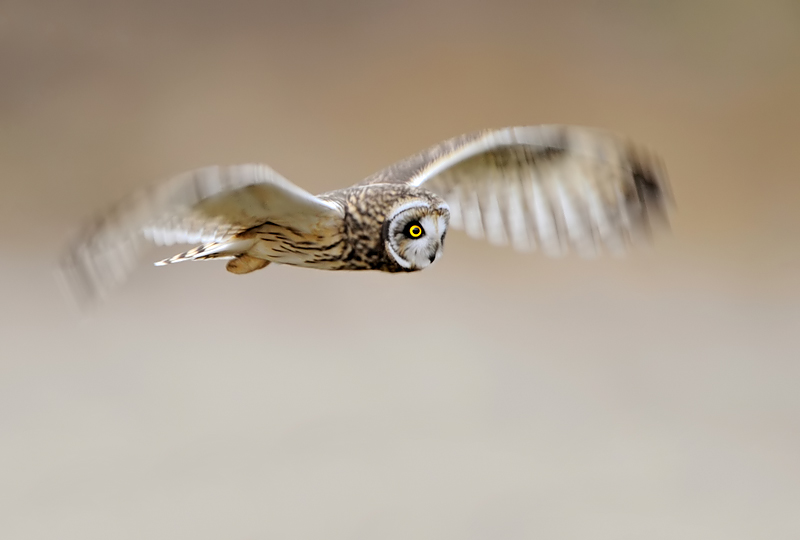
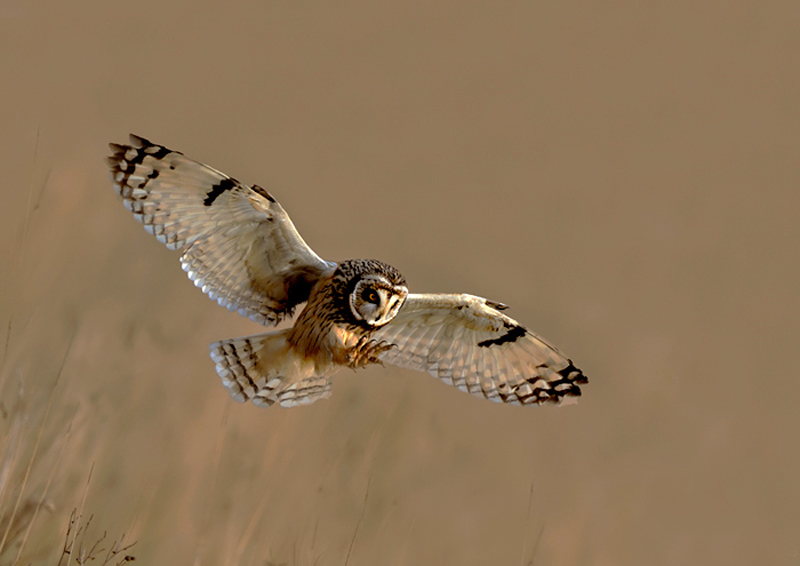
I use the medium of photography as a method to capture the beautiful things I witness in nature, placing a frame around something I have seen, letting the image convey the true beauty of that moment in time that my words could never describe. Photographing wildlife with my camera is more than just a photograph for me, its about capturing an animals spirt, heart,and letting you look right into their lives.
I have a deep emotion within my work which comes from my great love of wildlife. Photographs can move people, they speak in a language I cannot and that’s what I have always hoped to achieve within my work as a wildlife photographer.
Here are a few of my most recent images on subjects I’ve been working on to produce this Beautiful Wildlife slideshow, to view this on YouTube please click here I hope you enjoy.
Slovakia is one of Europe’s most mountainous countries, with lofty summits and deep-cut valleys making up almost a third of its area. With the dramatic Tatra Mountains forming an amazing backdrop to this stunning area. The Carpathian Mountains in Slovakia has everything a photographer could wish for, beautiful landscapes and wildlife with that unspoilt feel to the whole area which is set in one of Europe’s most dramatic mountain regions. I’ve just returned from this amazing place after running a photo tour there with clients to photograph the beautiful Brown Bears that live in this region of Europe. It was my first trip there and I was blown away with the beautiful landscapes and wildlife.
This country offers a chance to get close to these amazing and powerful mammals from well protected hides. Where you are able to photograph wild Brown Bear in their natural habitat. Our hides were located at beautiful locations, very basic in design as they double up as places in which the rangers count the bear numbers. The scenery around each one was stunning, providing you with the perfect backdrop for Bear images.
Working from hides positioned in varied habitats gave us the best opportunities to photograph this amazing predator in the safest way possible. Each guest had the opportunity to photograph the animals in different locations against a variety of backgrounds, gaining a unique and privileged insight into their lives.
Photographing the Brown Bears took place mainly during the early mornings and nights, spending the time in these 2-3 person hides. During the day we grabbed as much rest as we could at our comfortable lodge and I also presented some slideshows which gave an insight to how I work and the key elements that I feel are important within wildlife photography. In between this I went through some of the images clients have captured, offering help and support to improve what they had already captured during their time with me.
In the 1920’s Slovakia’s brown bear population was almost eradicated by hunting. From around 1932 until the 1960’s the hunting was stopped and the bears were protected. However, in the 1960’s this ban was lifted as the population of bears had reached a high level and conflict with humans was becoming a common event. During this time though the population sharply dropped and by the mid 1980’s the bears were again at risk of eradication.
EU legislation was imposed as the European brown bear was now classed as an endangered species and therefore protected by EU law. To date the hunting of bears is still allowed in the Carpathian Mountains, but the number of animals killed is strictly controlled and only regulation shooting or protection shooting is permitted. Keeping the population at around just over 1,000 brown bears living in Slovakia’s mountains.
Still largely undeveloped, the glorious natural landscapes remain home to many animals such as Chamois, Marmot, Lynx, Eagles and Wolves. The mountains are also home to the brown bear, one of Europe’s most impressive and threatened predators. Amidst rugged mountains and ancient forests lies hidden one of the last strongholds of European wilderness. This whole area represents thousands of square kilometers of nature encircled by a sea of civilization.
It felt almost like a miracle that in the middle of Europe there still exists such a refuge for these amazing mammals. Throughout Europe there remains almost no area untouched by humans. Wildlife though is returning again to these places where it was once forced out. Around sixty years ago it wasn’t chamois or deer herds that roamed these valleys, it was cattle, grazing. Vast forest areas were destroyed and burned to make way for grazing areas for the livestock. Wolves were completely wiped out, and the entire National Parks records only showed several bears remaining.
Everything has changed since then, the valleys have become a safe home once more for the brown bears. Wolves are increasing their numbers with new cubs recorded each year. Species only found in primeval forests many years pervously are reclaiming their territories once again. This fascinating evidence of the power of nature tells us that many similar stories can happen anywhere in the world. We only have to give nature enough time and space and by allowing this to happen the wilderness will return, and will become a place of inspiration for us all. A place where we can meet wild animals, living their lives in peace, while wondering through these ancient forests once more.
I felt I’d almost been transported back in time, hundreds of years back in time when these animals would have roamed all if not most of Europe freely without persecution. This story for me though is as much to do with the people who work and live in this area as it has the bears. Their patch covers hundreds of kilometers and staff and resources are thin on the ground to say the least. But it’s these guys here and many others throughout the world that are helping key species to hang onto life among the surrounding populations.
Whether it is Africa, India or here in Slovakia these people are key to the subjects survival, their knowledge, passion and love for the subject cannot be counted. In this area only 30 Brown Bears remain, the rangers have two camera trips, placed in and around these basic observation hides that we used, which record bear numbers at certain parts of the year.
Seeing a different environment for me always sends my brain into over drive, new smells, different tracks, different animals and remains of deer eaten by Lynx that roam these forests. I sat by the bones to try and get an idea of size through the prints of the these very rare animals. Just sitting and watching always helps me in my thought process when trying to build a picture or recreate what went before me at that particular place.
To get any idea of the numbers of bears in this area or to see if any have gone missing the rangers place small amounts of maze around these hides. This is designed to basically get the bears to come to the area in which these several hides are placed. So they can keep tabs of the population. Either by using the camera technology or good old fashioned sitting and waiting. Censors are conducted once or twice a year at key times.
The other reason this food is put out is to hopefully discourage the bears at key times of the year traveling down to the towns and villages below these areas in which the bears live. Where conflict often results in the killing or serious injury of the bear, as people protect their property or livelihood.
To hear this was a shock for me and really sad as I hate any form of cruelty towards any animal, but in panic people often dont think until after the event. Unfortunately this means that the lives of around 30 bears lie in the hands of wonderful and passionate people that work in this beautiful area daily. With population numbers increasing and tourism on the up, the bears sole existence is in the hands of man. On one side you have the gun, either to protect or to hunt them and on the other you have this amazing animal who was here first hanging onto life, while roaming these vast forests that once almost stretched the whole area of Europe.
They where just so amazing to watch and at times very comical and enduring. Here a female is seen scratching her nose area after a fly had just landed. The fly can just been seen hovering above after she’s moved the fly with her massive paw.
So for us as wildlife photographers on this trip, the real work of getting to see the bears had been acheived, as over the many years the rangers had placed maze as a supplementary food source, designed to bring these amazingly shy bears into a few areas of safety within this vast mountainous range, where you just may get the briefest of glimpses into their lives.
This place really only has one road in and one road out, you cannot roam around or create damage, as there are very strict rules in place to protect the wildlife. It’s also not safe to wander around because if you spook one of these bears they may attack you, otherwise they are frightened of man and just walk away. Often though at dusk you might see a lone bear using this road to navigate their way through the forests or just a short cut.
Once they have eaten the maze they disappear just as quickly as they had arrived, no playing around, no climbing, nothing. They are so quite for their size, and without any indication alot of the time they just turned up. Sometimes though you would hear a distinct noise of a fallen branch snap, breaking the silence of the moment, as a bear approaches or passes. Heart racing as your eyes almost pop out of your head looking for what had made the noise. Alot of the time the noises came from deep within the forest canopy so it left you wandering whether it was a bear or not.
I explained that as a wildlife photographer myself you have a duty of care to the subject but also to the viewing public, to tell the story and facts behind the image, as the power of wildlife photography rests on the belief that the image you captured represents an event that occurred naturally in the wild, something witnessed and recorded by the photographer with his/her camera at that given time. The moment it goes away from this is when you have to explain to the viewing public what is behind the image and how you took this.
For me personally you have to have a complete transparency to your work, even more so as a professional, in order for your peers and public to judge your skill when working with wild animals, demonstrating fieldcraft and sharing subject knowledge. In this case we wouldn’t have got near these bears without firstly the expert help from Jaro and secondly the small amounts of maze placed out for the bears.
This maze is only placed out for counting purposes at certain times of the year and for the very few photo tours that come to this beautiful place throughout the year. Again this is done so in such a delicate way as not to impact on any the wildlife and more so the bears. Which made the whole experience feel that bit more special knowing that only a limited amount of the public have been where you were sitting.
It was good to see that the bears hadn’t become use to the food and at the same time would never become use to humans or any form of interaction with them, which in turn will keep them safer from being harmed in the future. All that was left to do for us was to wait in those areas inside these very basic hides for our moment with this amazing and very rare mammal.
My aim as the professional wildlife photographer on this trip was to have all the clients ready for those moments and to have the confidence to use their equipment to the best of its ability, while watching and learning about this amazing predator. Everyone on the trip captured some really nice images of the bears, as at times they were elusive, which in turn made those encounters we did have just that bit more special.
I met some lovely people during my time there and I would like to thank every one of you for all the laughs, the company and for sticking with the early mornings and late finishes very well. I wish you all well in your photography, many thanks.
With the weather in the UK still presenting wildlife with some very testing conditions I find nature always gives off her beauty whatever the weather. I will be sad to leave behind the Barn Owls that I’m currently working on. Hoping that on my return the UK wildlife won’t have had more rain and flooding to contend with. For me though rain or shine nature always shines and makes me smile whatever the weather.
I’m heading to one of Europe’s most mountainous countries, Slovakia, leading two trips for Tarta Photography. I will be photographing Brown Bears within the Carpathian Mountains so I’ll be a little quiet on my blog for the next two weeks. Really looking forward to the trip and meeting clients during this time, where I hope to bring you more on this amazing trip upon my return home.
I’ve had a few one to ones over the last several days amongst my own work, photographing Red Grouse, high up on the moors of the Peak District. Also Dippers, where some river levels have risen and the wildlife have either moved or drown, which is incredibly sad. On the days my clients booked we braved the weather reports and were treated with sunny but at times wet weather.
.
After rain there always comes wonderful and very usable light for photography so sometimes it’s just worth taking a chance, where fortune often favours the brave, and those weather fronts I like to study turn out wrong sometimes.
Some of the moors are just starting to show some colours now, in full bloom it can be just a carpet of soft purples covering vast areas, making a wonderful back drop to the grouse. I have a number of workshops during the best times, so if you’d like to join me, learn more about these iconic birds and at the same time learn fieldcraft and how best to approach these birds then click here to see these ever popular days I run.
Many thanks to my clients for your company, where the gamble paid off and everyone got some very nice images of their chosen subjects. The message here is work with what you have and the wet weather fronts can pass as quickly as they arrive, but wildlife will still have to feed to stay alive. For more information on my one to ones I run throughout the year and at the varoius locations I know well around the UK, then please click here to be taken to this page.
Dates for my talks in 2012/13 covering a wide variety of my work are filling up fast, so if your a camera club, organisation or chairty that would like to see beautiful images of wildlife, whats behind the images and my work then contact me for more details and rates, many thanks.
Announcing a new wildlife workshop I’m doing in conjunction with Calumet Photographic covering fieldcraft. After the great response to my article in Practical Photography giving my top ten tips and advice on fieldcraft I will be running this workshop over two days enabling you to learn one of the most important elements to wildlife photography. The dates for this workshop are Saturday 27th October and Sunday 28th and can be seen by clicking here
All wild animals that have no or very little contact with humans are scared and fear man. They see and smell us the moment we enter their world of which they are designed for and we aren’t. They have an in built fear of man and see us as a threat to their lives. For me, it’s how the person deals with that level of fear and stress using their fieldcraft that’s important.
Good fieldcraft is especially important for the effectiveness of wildlife photography. Concealment is what keeps you from being seen and allows you that private window into the subject’s life. Fieldcraft is the art of looking and reading the animals behaviour in parts dealing with the visible signs the animal will show you.
Come and join me on this two day Fieldcraft/Rutting Deer workshop. On the first day I will present some slideshows, go through what fieldcraft I use within my own work. I will demonstrate what you need to do in order to improve your own wildlife photography. The second day will start just before dawn and fingers crossed with get a frosty morning with some nice light as this will add a great deal to your images.
You will be able to put into practise what you learned on the first day on the ground on the second day. Wind direction, smells and watching for the behaviour that will be around us all. The month of October is a key time in the Deer’s own calendar, it’s a time when the males fight to keep control of their females that they will later go on and breed with.
Many male Fallow Deer’s want this chance to mate and so the rut is born. The air will be thick with testosterone as we witness one of autumn’s magical times. You will learn many skills during these two days,where fieldcraft for me is one of if not the most important tool in any wildlife photographer’s box.
For more information or to book this workshop then please click here to be taken to Calumets website many thanks.
Quartering over farmland, hovering with moth like silence, flying effortlessly on the wing in the half-light at dawn or dusk is the supreme hunter, the Barn Owl. A bird that has always created a sense of great excitement and fascination for me. In British folklore, a screeching Barn Owl is believed to predict that a storm or cold weather was imminent. During a storm, if a Barn Owl was heard, it indicated that the storm was nearly over.
The custom of nailing a Barn Owl to a barn door to warn off evil persisted into the 19th century, something you just wouldn’t believe people would do but back then strange things went on and happened to these amazing owls.
The Barn Owl had a sinister reputation, a bird of darkness, where people associated it with death. The Ancient Greeks and Romans saw owls as a symbol of wisdom. Athena the goddess of wisdom is often depicted in art with an owl perched on her shoulder. Sometimes owls were also viewed as messengers from the gods, full of wisdom and helpfulness.
Over the last several weeks I have been watching a family of Barn Owls live out their lives in an old disused building overlooking some beautiful countryside . In some of the most testing weather since records begin two adult owls have raised three healthy chicks that now are almost ready to take their places among our countryside. With the wettest June on record it’s been hard work watching the parent birds put their own lives on the line by hunting in this wet weather.
A lot of the time though the weather has broken and this has allowed the owls to hunt and build up their larders of food which is a key behaviour among Barn Owls. This stored food then helps during the long periods of wet weather.
With no sign of improvement it’s hard to believe its summertime in the UK. I like to study air pressures and weather fronts as it really helps within my work. The reasons for this wet weather are simple when you take a look at the weather charts, the jet stream.
During most summers the jet stream lies to the north of the UK, so rain-bearing weather fronts and depressions miss us and hit Scandinavia instead. This year however this jet stream has shifted southwards and is lying over France and southern Europe, this has left the UK wide open to these depressions and all this wet weather.
One possibility to what maybe moving this jet stream is warming temperatures between the Arctic and the tropics and the shrinkage of the north polar ice cap. These changing weather conditions and patterns may be around a lot more than we think in the future where alongside wildlife we’ll have to learn to live and change alongside this ever present climate change that are here to stay for sure.
My hide is some distance away, completely hidden from view and well camouflaged. The image above is the view I have from my hide and one of the perches they are using now, exercising their wings and doing their tester flights just before sunset each evening. I move my hide to a different place under the cover of darkness as not to disturb them and also once the dawn light comes up the wildlife will see the hide and accept it as part of the landscape. Again cutting down on any stress, and disturbance to the wildlife and in this case the Barn Owls.
With a mixture of different focal lengths, tele-convertors, crop modes in camera and time I’ve been able to photograph this family and capture them going about their lives at this location. Wild Barn Owls are protected under the Wildlife and Countryside Act 1981 and so should never be disturbed in any way. I am using really high ISO’s on my camera in order to get some shutter speed, as they aren’t coming out until around 9-9.30pm. I never use any sort of flash with wildlife as I feel any form of bright light suddenly hitting an animals retina disturbs the subject.
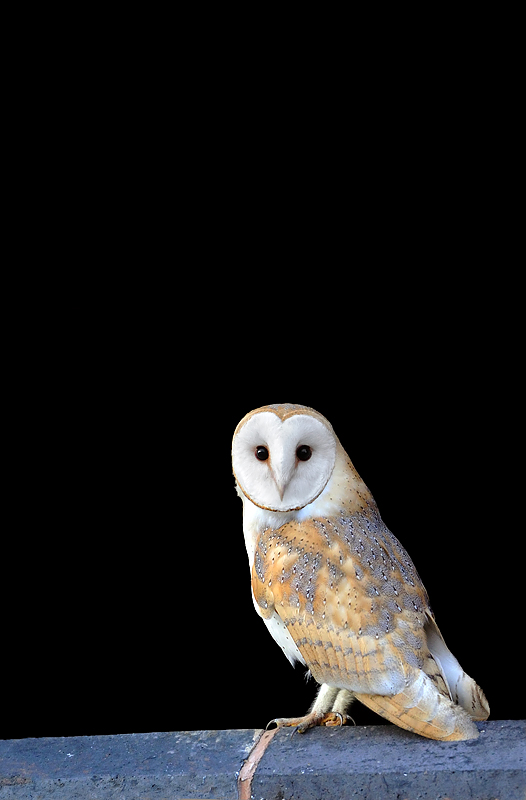
When you work somewhere new like this site, you gradually build a picture of movements, favourite natural perches, flight patterns etc. This is a skill you have to learn in order to try and second guess where and when your images will come from. This takes time and is very time consuming but for me its the very essence of real wildlife photography. At the same time you learn so much about the subject, and the habitat in which they live. The image above is of the paler male Barn Owl perched on a stone lintel, he is so stunningly beautiful.
The Barn Owls use the main barn as well as some smaller buildings which often both the adult and young perch on. Hours pass by, with nothing, not a sound, then a white flash passes by my hide, a corus of loud hissing noises can be heard as the adult owls come in with prey. This image below is the male Barn Owl who likes to perch on the pitch of this old roof here and on this evening my hide was close and by pure luck he landed, stopped and looked straight through me.
I was too close really, so I went for a close up of his amazing and beautiful, heart-shaped face. I managed to take just one photo on silent mode before he flew off and carried on hunting, and this is that amazing moment captured here. The male has much lighter plumage around the breast and face and has a completely white chest nothing else, the female on the other hand is slightly bigger and has black spots on her chest.
The ability to see things that are hidden and hunt completely undetected are key to a Barn Owls life and survival. Often without warning they arrive and vanish before you have any chance to capture this. I always like to capture wildlife as seen on the ground, going about their lives with no disturbance by my presence at all, I like to compose my subjects on whatever they land on.
They are venturing out more and more now and it won’t be long before they completely leave the comfort of this building and start to live and roost among the many trees littering the surrounding landscape. When I leave the site in almost total darkness I often see one or both of the parent birds flying over the farmland with one of the younger ones in tow, their white bodies giving an almost floating appearance as they fly and dive.
Maybe they are having hunting lessons, learning their craft, who knows but it’s very enduring to see and both adult owls have been brilliant parents that have managed to feed and bring up their brood in some of the wettest weather since records begin.
I hope to continue to follow the progress of this Barn owl family over the next several months, where any day now the young will fully fledge and leave the place that’s been their home now for several months. Its been a special and privileged time for me to witness these amazing owls live their lives around me. Often I’ve just sat and marveled at their antiques, and behaviours, with each youngster having their own personality. They is one that’s just slightly smaller than the others and seems to need more attention from his parents which is so enduring to see and watch.
I will be releasing a few more Barn Owl limited edition prints soon which will be available framed or unframed and in canvas format to go along one of my favourite ones that can be seen and purchased here if you scroll down to the bottom of the page. Where 50% of the profits from each sale go to this trust I support with my work, because I love Barn owls and want to help them.
The Barn Owl Conservation Handbook is a comprehensive guide for ecologists, surveyors, land managers and ornithologists written by the Barn Owl Trust. I help this trust in any way I can in order to help this amazing owl keep safe and it’s survival. After the launch of this guide last week I received this from the Barn Owl trust, which was wonderful and I’m so glad my Barn Owl images can help. Dear Craig
I am very pleased to say that the Barn Owl Conservation Handbook we started writing in January 2010 has finally arrived and the first copies are being mailed out today. This publication represents a major milestone in the Trusts history.
On behalf of my co-authors and all the books future beneficiaries I would like to thank you for your unique contribution in providing your wonderful photograph of a Barn Owl hunting in flight during daylight that appears in colour on the back cover alongside Mike Toms testimonial.
Without your photos, the Handbook would not be as good as it is. Thank you very much indeed. David
David J Ramsden MBE
Senior Conservation
Officer
Click here to be taken to their website and to purchase this guide. Also this as many charities in today’s times is run on donations so if you can help them to carry on their wonderful work then please do so and visit their website by clicking here many thanks.
I’ve just updated the dates for my photo tours in 2013. I have added second dates on my Tigers of India trip as the first dates have sold out. If you’d like to visit and photograph Bengal Tigers in one of the best places in India with a backdrop of an old fort then click on this link for more details. The first ever Tigress I saw, several years back now, will be having cubs next year so again like this year my clients maybe lucky enough to see cubs alongside the Tigers there.
I have also added a new trip called Jaguars of Brazil. You can now join me on this amazing 8 day trip to Pantanal in Brazil to see the beautiful Jaguar in its wetland, woodland habitat, as well as a chance to see this amazing big cat. We will be working on the ground in Brazil with the very best guides to deliver the best opportunities for you to see and photograph Jaguars. Towards the end of the dry season as open water areas shrink, wildlife becomes more concentrated and visible. Areas in the western and northern Pantanal are the best places to see Jaguars in the wild and the chances of success on this tour are very high, click here for more details.
I also have a couple of places available for my Falklands trip next year should you wish to come with me and photograph the amazing wildlife this place has to offer, with amazing light and images everywhere. For more information on this trip then please click here to be taken to the photo tour.
In late August I’m off to Madagascar leading my 11 day photo tour photographing the amazing wildlife that’s unique to this island. I will be running the same trip next October should you wish to join us, again click here to see more information on this amazing 11 day photo tour.
In mid-September I will then be embarking on a two week trip to Sumatra on my own, photographing the Sumatran Orangutans there along with the other amazing wildlife that lives on this island. I will be working alongside a UK charity I fully support and help, SOS- Sumatra Orangutan Society, spending time camping and trekking through the forests of Sumatra in a bid to capture our closest living relative with my camera.
More news on this amazing trip on future blogs. A part of Sumatra, Tripa is in trouble at the present time and if you can help to sigh a petition to help then please click here.
I also offer One to One wildlife workshops, where I take clients to many places across the UK from dawn until dusk. Showing them everything I use in the field, along with fieldcraft, using natural light and capturing images with great impact. These days are very popular, where I enjoy helping people to understand nature, at the same time learning more about the craft of wildlife photography.
I have several projects I’ll be working on in between all of my travels, plus workshops for Calumet Photographic. Email me for further details on anything I’ve touched on or just general advice.
WWT Photography Competition 2011-2012
I have just finished judging the spring round in the WWT Martin Mere photography Competition with just the summer round to go before the overall winner of this brilliant photography competition is announced. A great standard all round and its a pleasure to be a judge, good luck to you all.
One of the most important tools in wildlife photography is fieldcraft. Getting to know the subject, spending time watching, listening and looking, learning its behavior, its habits and calls. In turn all of this will reward you with a far better chance of capturing images that show the subjects natural behavior.
Regardless of the level of photographic skill your at you will need to learn fieldcraft to capture those images you see while among Mother Nature. With this though comes a great responsibility and integrity to your own work and your own foot print you’ll leave behind you when you leave the wildlife and go home.
Wildlife photography’s power rests on the belief that it represents an event that occurred naturally in the wild, something witnessed and recorded by the photographer with his camera at that given time. Clever use of friendly animals, hot spots, bait and the per-arranged perches or props along with digital technology has forced everyone to re-evaluate and question the validity of images they see now.
Living animals have feelings, emotions not to dissimilar to our own, tap into that whatever the subject maybe and you will see the real and true beauty of wildlife unfold in front of you. Apply your passion and respect on top of fieldcraft and the images will come.
Many species of mammals and birds will allow you to approach them closely if you are careful and take your time, no fast movements and using the correct techniques. Read the land for yourself, see what’s in front of you, in between you and the subject, use natural gulley’s and shapes to break up your approach. Never make the mistake of walking directly towards your subject as the chances are the animal will have long gone.
All wild animals that have no or very little contact with humans are scared and fear man. They see and smell us the moment we enter their world of which they are designed for and we aren’t. They have an in built fear of man and see us as a threat to their lives to put it bluntly. For me its how the person deals with that level of fear and stress using their fieldcraft that’s important.
Animal tracks tell you so much about what’s happening around you. It’s their highway, the way animals navigate their chosen habitat. Look for darkened earth a clear sign there’s life around. Just standing still for several minutes and look to see any natural lines, faltered grasses or earth moved or piled up. This then will give you a bigger picture of the main routes in and out of a forest say or farmland track leading to a wood and so forth.
Look towards the sun when studying tracks, you will see the shadows better. Footprints in soft ground will begin to deteriorate around the edges within 2 hours depending on the humidity, sunlight, and breeze giving you vital clues to what and how long ago an animal passed by that spot. The depth of the tracks and length of the stride can indicate the weight of the subject and the physical strength of the animal that made them.
Find out which way the wind is blowing making your approach better as most animals have a great sense of smell and it’s the first thing to give you away. The wind always wants to be blowing into your face, this will blow your scent away and remember to forget the aftershave or perfume along with soaps that are high in perfume as these will be picked up from great distances away. It is also important to recognize and learn the signs of stress within the animal so you know when to stop and leave the animal well alone. The last thing you ever want to do is cause undue stress and disturbance through your actions in order to get the shot.
Clothing, wind direction, covering the ground, shape, shine, staying low, can all help in capturing those moments in nature where you have to work harder with some animals than others. Some species will accept human presence quicker, taking only hours, where as other more sensitive subjects will take weeks if not months.
It’s the way I work while capturing wild animals in their their natural habitats while working very ethically alongside nature. Composing the wildlife to show others how they go about their lives,where they live and conduct their lives. So correct fieldcraft is an integral part to the way I work as a wildlife photographer. Being at one with nature is amazing and with time and effort and applying good fieldcraft everyone is capable of capturing those beautiful moments I am blessed with seeing each time I enter the natural world.
In July’s issue of Practical Photography I give my top ten tips and advice in order to help you, whether you’re just starting out or more accomplished in regard to fieldcraft the article is written passing on my many years of experience in this field over the years. Fieldcraft is the foundation to my work and style as a wildlife photographer today and has been since the moment I picked up a camera.
Look at the Foxes ears below, he couldn’t see me, but he could just make out the faint noise of my shutter noise from my camera. Each ear is facing in a different direction, one facing forward and the other facing towards where he heard the noise. He’s doing this to locate the sound in a bid to locate me, wonderful animal behaviour you can learn to read by using your fieldcraft skills.
Today people really want to see how you got the image and as a wildlife photographer you not only have a duty of care to your subject’s welfare but also to the general public who buy your work or follow you I feel. Showing and explaining how that image was taken, the skills you employed to achieve the image are paramount today.
The most important tip and piece of advice I can give in improving your fieldcraft is respect your subject, let wildlife live their lives without fear or stress from your presence. Apply all my tips from the article and the animal will benefit first and foremost and be able to carry on with their lives. Applying these tips will also allow you to capture images with a real story. Leaving little or no disturbance from the photographer is the best piece of fieldcraft you can learn and apply.
People then can see your fieldcraft and subject knowledge behind that particularly image. Learn the basics of fieldcraft and you can implment these to any real time situation within the amazing world of nature you will come across. I hope you enjoy the article which you can see by clicking here, many thanks.
The days just flew passed during our time in Ranthambhore, India. We settled into our routine with twice daily safaris surrounded by nature, culture and the colours of this amazing country. By now all my clients had seen and captured some amazing images of Bengal Tigers which I was over the moon with. As the host of this trip I organise and run myself with great help from my friends in India. Everyone’s wish was to see these animals at the same time and maybe capture them on camera and that’s exactly what they all did.
There are seven ‘old’ gates within the national park and twice a day we’d pass through the main gate, which is the way to one of the 5 zones that you are allocated before each trip. Each zone is around 25 km plus in size, where your jeep has to stay on a small path which takes you around the chosen zone. There is a very strict code of conduct on board eg. no shouting/loud noise and you cannot get out of the jeep, it’s all controlled really well with the Tigers welfare being paramount.
It was great to see some of the guards which I had made friends with during my many trips to this place over the last several years. They do an amazing job with limited resources keeping just over 30 Tigers safe from the ever presence of poaching. They showed me around and were very kind and helpful to my group by letting us pass through the main gate and onto our zone for that day with minimal fuss. The photo below shows the ‘chef’ as he’s known, he’s worked for 38 years in Ranthambhore and knows every inch of the place, his wisdom and experience you just couldn’t learn overnight.
I took some presents this year for them, images of Tigers for their homes. I always get out of the jeep at checkpoints to shake their hands and introduce my clients to the guards. A warm embrace and smiles all round. They all deserve respect for the job they are doing and I try to show that to them in my way, as respect is earned not given my late mum always taught me.
I only wished the many politicians and people involved with Tiger conservation around the world could see the frontline in the battle against poachers and give them more equipment and resources, because on the ground we are asking these fellows to risk their lives against a well organized band of poachers. Once these Tigers have gone the whole area falls and the Tiger will not return, very sad but money has to be channeled into helping the guards around India in keeping the Tigers alive. I was shocked and saddened by how these guys stop poachers with their limited resources.
As on so many other safaris the lady of the lake-T17 was hunting and patroling mainly in the morning. Both jeeps had some wonderful moments photographing this lovely Tigress. Its real heart in the mouth stuff though as they seem to except the small jeeps we are in but I truly don’t think they know there’s an easy meal for them inside. This is always going through your mind as you take photographs as they pass by your jeep. Nothing can ever prepare you for this, you have to witness this for it to truly make sense. I hope these images convey those special and priceless moments I took with these amazing and extremely rare Tigers, showing just how beautiful they are.
Salim my guide headed off on one such encounter and we parked up alone some distance in front of this patrolling Tigress. We could hear the distant calls of Peacocks sounding the alarm, letting the whole area know a Tiger was around, we just waited and waited until she came over the hill, paused and walked down and pass our jeep. I chose to shoot with my fisheye lens trying to convey the habitat which I love to show in my work and give the subject a sense of scale among her kingdom.
This image below captured her as she walked past our jeep and then vanished into the cover of the jungle, this was close, an experience I can see so clear in my head as I type now, but truly magical.
During one safari my clients and I witnessed a part of history, for a few minutes but what seemed like hours we were priviliged to witness something that’s been rarely spoken about in the past and even rarer to see. A male Tiger rearing his young, totally unheard of in the tiger world. Only the female tigers were known to raise the cubs, but the male Tiger known as T25 has shown that the males also do it. Wildlife experts say cubs are usually raised by their mothers and male tigers often kill cubs they come across. Officials believe there is no recorded evidence of males behaving like this.
It is common for male tigers to never even set eyes upon the cubs they father, especially when the mother is not present and many male tigers will simply see cubs as food. Their mum died on 9 February 2011 and ever since T25 has reared them and looked after them which is just an amazing story in its self but to see them on this day was magical, truly magical.
We had been in place for over an hour, waiting at a small natural drinking hole that had been refilled with the overnight storm we’d had. Then without warning we saw T25 coming from the shadows of the jungle, walking with great strength and power. The males are completely different to the females. They are shyer and very aggressive in their nature. Their physical size is alot bigger, with a rounder head and massive frame. You know when looking your witnessing a top predator with great power and presence.
We had gone through apertures, shutter speed, iso and making the adjustments to our cameras with the fading light, making sure should anything happen that we were ready. T26 a male Tiger walked down first, slowly but full of life, he sat down close to the water and began drinking fully aware we were there and he gave us a look to let us know that. An air of total confidence and control with no fear of nothing, thats when you know your king of the jungle. We watched him quietly.
We heard a few small calls as he looked around at the different noises he’d heard as he was drinking. Then from nowhere one of his cubs appeared from the forest. She stood there few a few seconds looking for reassurance it was ok to join her dad before heading down to the water to drink.
She settled alongside her father as they both drank aware of the shutter noise from our cameras. It was a moment I’ll never forget, but at the time you’re just concentrating so much on capturing the moment it really doesn’t sink in until after. He was always on guard, so to speak, and you sensed his protection of her by just seeing them together so close. The other cub never showed but both are doing very well I am told.
They drank for a few minutes before T25, the male got up and headed back into the dense jungle with his cub following.
He led the way as he’d done when first visiting the watering hole, his cub waiting behind until he went first. I managed to capture him here just looking back and giving a slight call to his cub. She then came from behind a tree and followed her father into the jungle. It was very touching to see this bond between them both played out before us, thousands of miles from home as we witnessed history in Ranthambhore one of if not the best place in India to see Bengal Tigers in the wild.
The whole week was brilliant and each evening my clients had their own best images from that day to talk through. Each year the trip seems to get better and you really have to see one of these amazing animals in the flesh to truly appreciate their beauty. With so much wildlife in Ranthambhore the photographic opportunities are everywhere. A paradise in more ways than one for a wildlife photographer.
There’s something very human like when we look into the eyes of primates. Something that touches deep inside our soles where we see so much of our own human mannerisms. I did a close up of this young black faced langur monkey sitting close to his mum. I slowly walked forward as not to disturb the young one or the mum and this was the result making best use of the side lighting to bring out detail, shape and texture to the image, another wonderful and touching moment from Ranthambhore, India.
The week there passed far to quick and before we knew it the time had come to leave Ranthambhore and head off home. I wished I could have stayed as I really love this place and its Tigers. It has a magical feel to it, an old fort taken over by nature. We headed for the airport the same way we came, packed lunches in hand as we started the journey home.
A big thank you to my clients for your company and another big thank you to Rag and Salim for your help and expert tracking and guidance with the Tigers. Many thanks to the staff at the Ranthambhore Bagh where we stay, great food, warm welcome and a great base for this trip.
I will be releasing a few more limited edition prints very soon to go along with the 3 others I currently have, where 50% of the profits go to a charity I work with to help rise money for Tigers around the world; 21 Century Tiger. Where they spend 100% of your money in helping Tigers around the world, these animals are in real danger of extinction and need as much help as possible so that future children get the chance to see this amazing animal in the wild.
Next years dates and information is up on on my website here, so if you wish to see these amazing images and capture some beautiful images working alongside myself and two of the best guides in India then contact me for more information.
I’ll be giving my top tips on fieldcraft in July’s issue of Practical Photography, which is out the second week of June. Fieldcraft when working with wild animals with their natural fear of man, away from per-planned perches, baited set ups and captive animals is the most important tool in any wildlife photographers toolbox.
Capturing real images as seen on the ground and not changed by the hand of man is what wildlife photography means to me as a professional, its the way I work when among nature. I go through what works on the ground and how you can almost think like wildlife and become part of the landscape. All built on respect for your subject and wildlife around you, this is the foundation to my work today so I hope you enjoy the article.
And just before I go there are still a few places left on my Summer Tide workshop in Norfolk in conjunction with Calumet Photographic, for more information and bookings please click on this link. or click on their seminars page for Manchester and Drummond street branches with more workshops and talks planned very soon. For an idea of what you may see on this day then click on a previous interview I did here with Practical Photography covering my passion for this amazing event.



 .
.