Snettisham at Fifty
RSPB Snettisham celebrated its fiftieth birthday this month. This amazing place in Norfolk is one of the UK’s most important sites for wildfowl and waders.


Read full post
RSPB Snettisham celebrated its fiftieth birthday this month. This amazing place in Norfolk is one of the UK’s most important sites for wildfowl and waders.
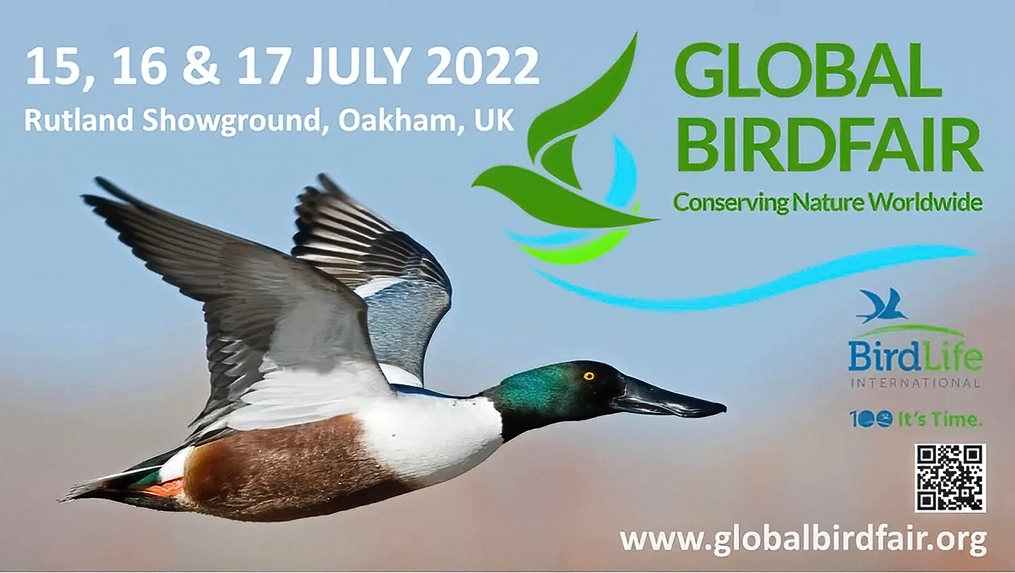
The new Global Birdfair has been spearheaded by Tim Appleton MBE, founder of the original Birdfair back in 1989. This brand new event will bring together wildlife conservationists, representatives of nature travel, birders and natural history enthusiasts from all over the world.

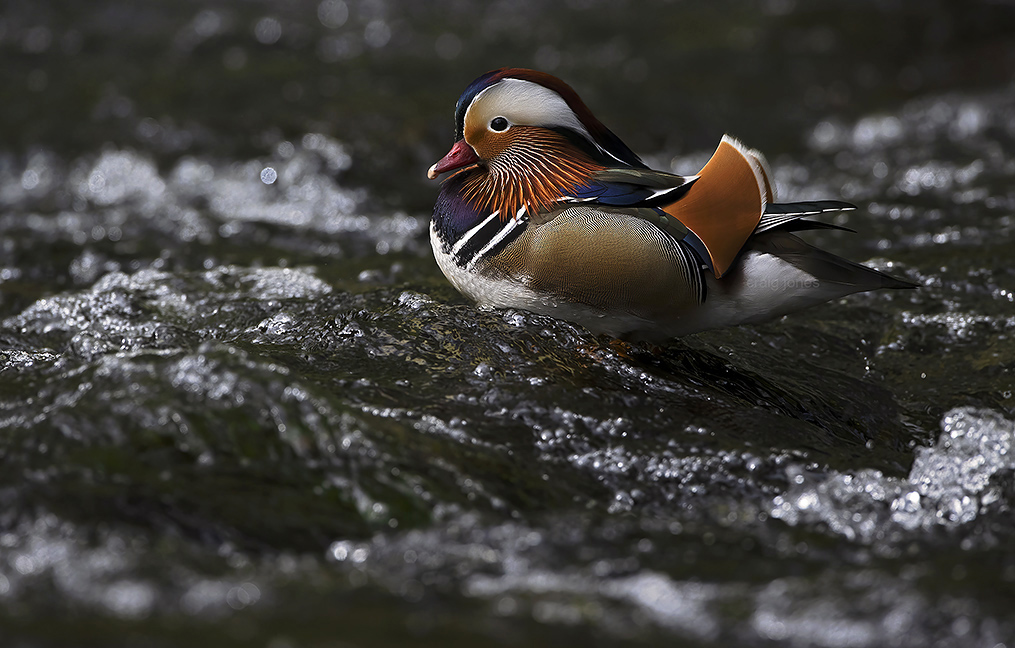
I had a chance encounter with a wild Mandarin Duck in the Peak District National Park. While photographing a pair of Dippers feeding their young this handsome fellow and his lady turned up.
Wildlife photography’s power rests on the belief that it represents an event that occurred naturally in the wild, something witnessed and recorded by the photographer with their camera at that given time.


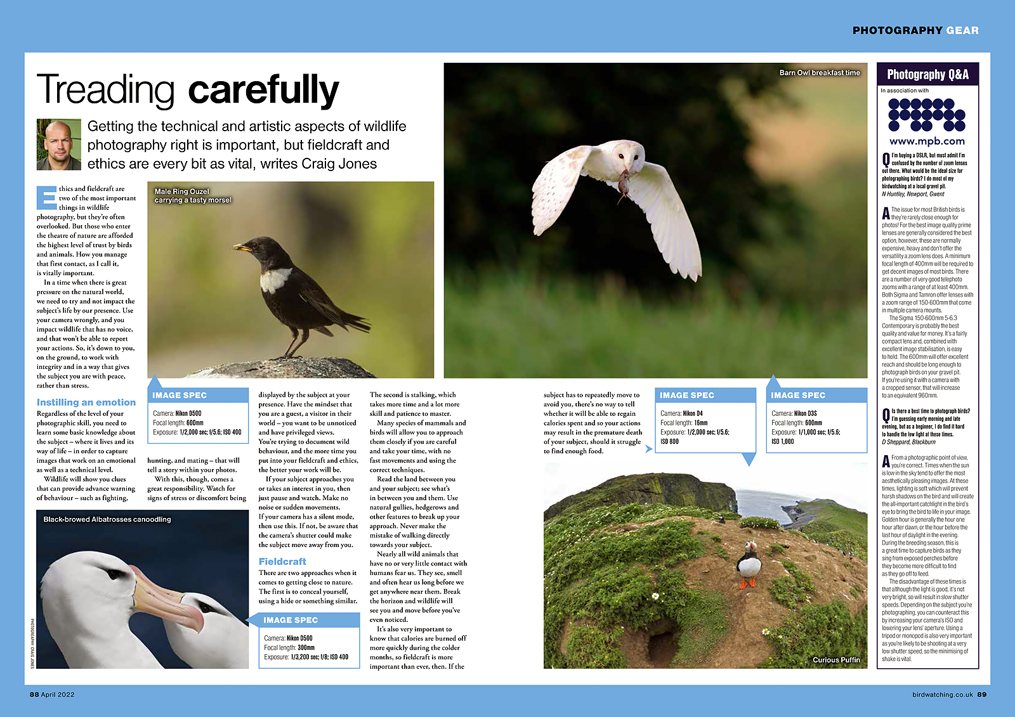
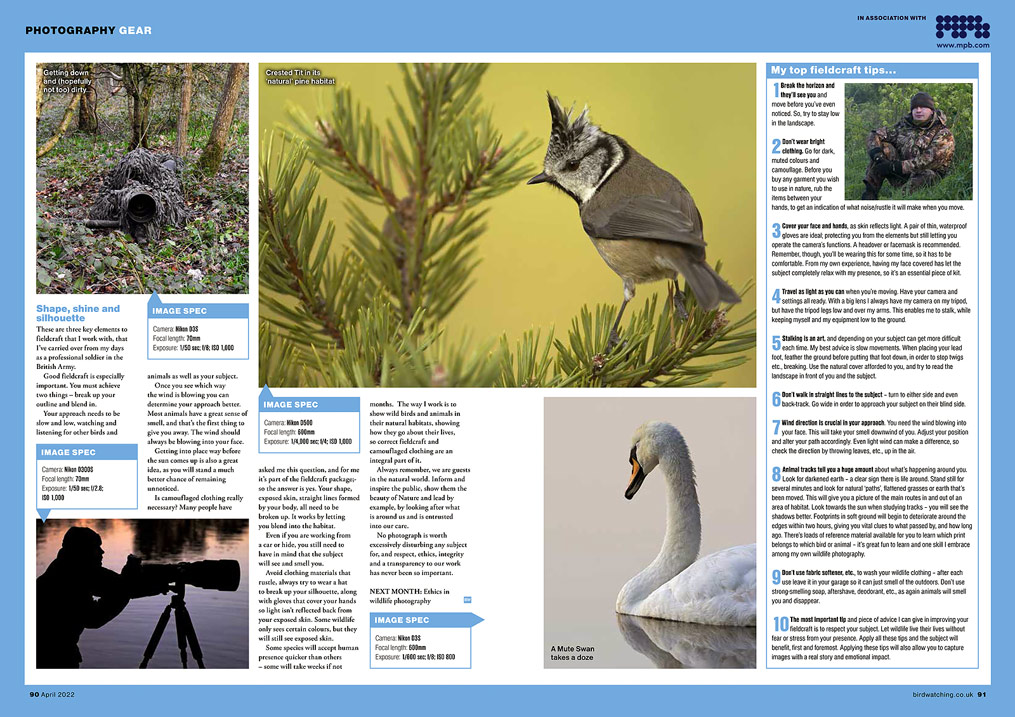
Fieldcraft and ethics are two of the most important things in wildlife photography. Those that enter the theatre of wildlife are afforded the highest level of trust by nature. How we manage that first contact as I call it is so important
A chance encounter with nature is always amazing, seeing another living being right there with you is beyond words. Whether you take photos or your just out for a walk that moment when you come across another life is priceless.
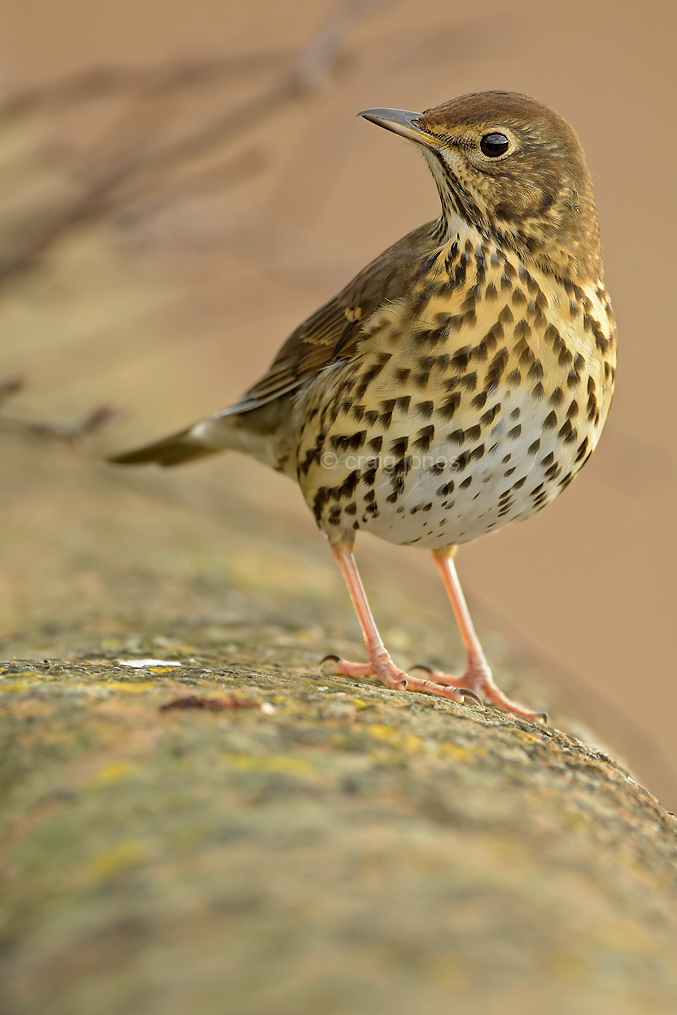
Promising news that I wanted to share from COP26 as over 100 nations have promised to end and reverse deforestation by 2030, in the summit’s first major deal.

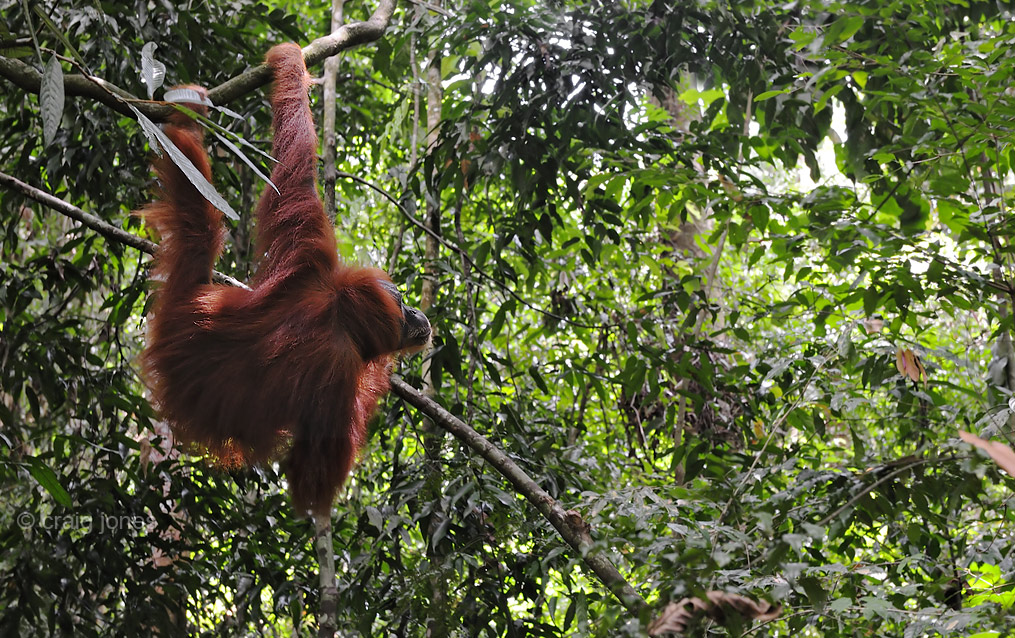
Water voles are in trouble, they are our fastest declining mammal. In the 1980’s and 90’s they suffered a catastrophic 90% drop in their population, largely due to the spread of American mink, which were introduced into our countryside through illegal releases or escapes from fur farms.

