There is a pristine, tranquil archipelago of beauty in the far south of the Atlantic ocean, it’s a place where nature thrives in abundance and variety. A small part of Britain that is known as the Falkland Islands.
Recent evidence suggests that Planet Earth is at the beginning of its sixth mass extinction event, the most rapid loss of species since dinosaurs were wiped out 65 million years ago. The disappearance of thousands of plant and animal species, caused almost entirely by human activity, will have serious ecological, economic and social consequences, experts have warned.
I wanted to bring in a visual way some of what I have seen to this years Green Party of England and Wales Autumn conference in Harrogate over the weekend. Doing what I can with my own skill set and passion to highlight what is happening to our wildlife and countryside here in the UK and around the world.
With my travel bag barely unpacked from my several days away in beautiful Portugal as part of the Waves International event I headed to London this week as one of the invited panel of experts for a filmed debate for National Geographic, and specifically their channel Nat Geo Wild and partners ,The Week magazine. This thought-provoking and inspiring panel discussion focused on the some of the themes that will be explored in the two upcoming programmes – Paradise Islands and Photo Ark, both streaming on National Geographic in October.
I’ve just returned from Portugal where I did a talk and photography workshop as part of the WAVES Xth International Symposium on Wild Fauna being held at the University of Trásos-Montes and Alto Douro, in Vila Real city. Located in the North of Portugal close to the Douro Region, a UNESCO World Heritage site.
I have just returned from a couple of wonderful days at this years British Birdwatching Fair in Rutland. It was my first time there as an speaker after many years going as a visitor and an exhibitor back in 2010. I was invited there by the fair itself to do my talk “Conservation with a Camera” The talk covered how I use my camera too help wildlife here in the UK and around the world. My talk went down really well I thought with lots of interest and questions from the audience afterwards.
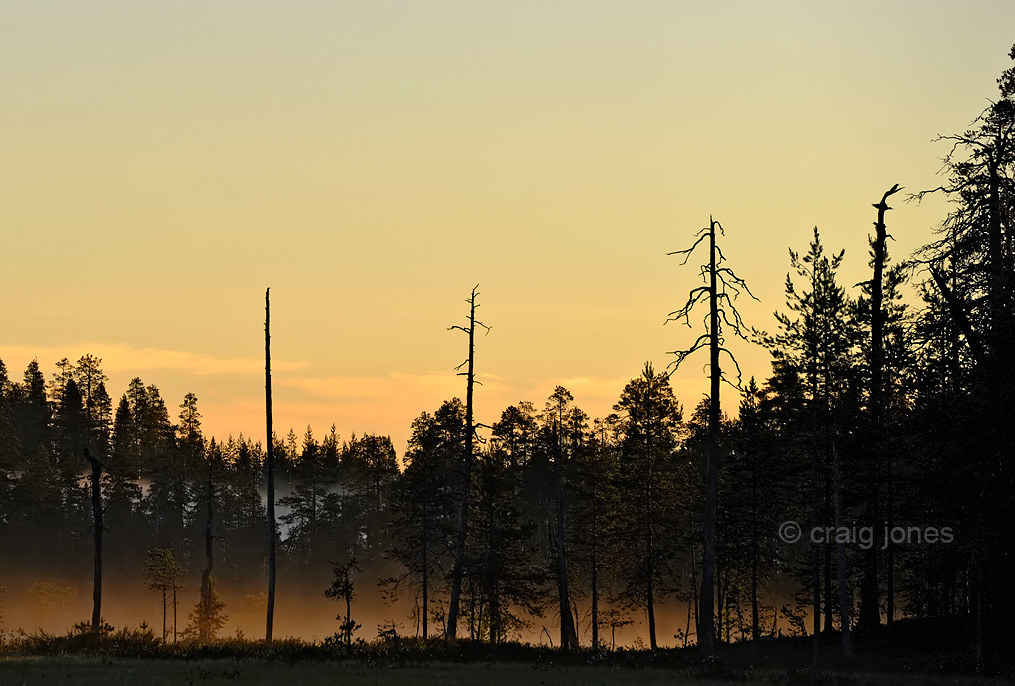
Finland is one of Europe’s last places of true wilderness, its also the most forested country in Europe with around 70% of the land being covered with trees. Most forests are coniferous and reach so far north that they lay on the same latitudes as Alaska or Central Siberia. Finland is also known as the “Land of a Thousand Lakes”. Most of these lakes are small and shallow but cover vast areas of this amazing country.
I’ve been working on a personal project in the beautiful Peak District, documenting one of the UK’s most beautiful and stunning summer visitors, the Redstart. This attractive little cousin of the Robin and Nightingale is one of my favorite summer visitors to our shores. They are immediately identifiable by their bright orange-red tails, and were also known as ‘firetail’ which they often quiver and constantly flick.